Private Jet Costs, Chartering, and Empty Leg Flights: What You Need to Know Before You Fly Private


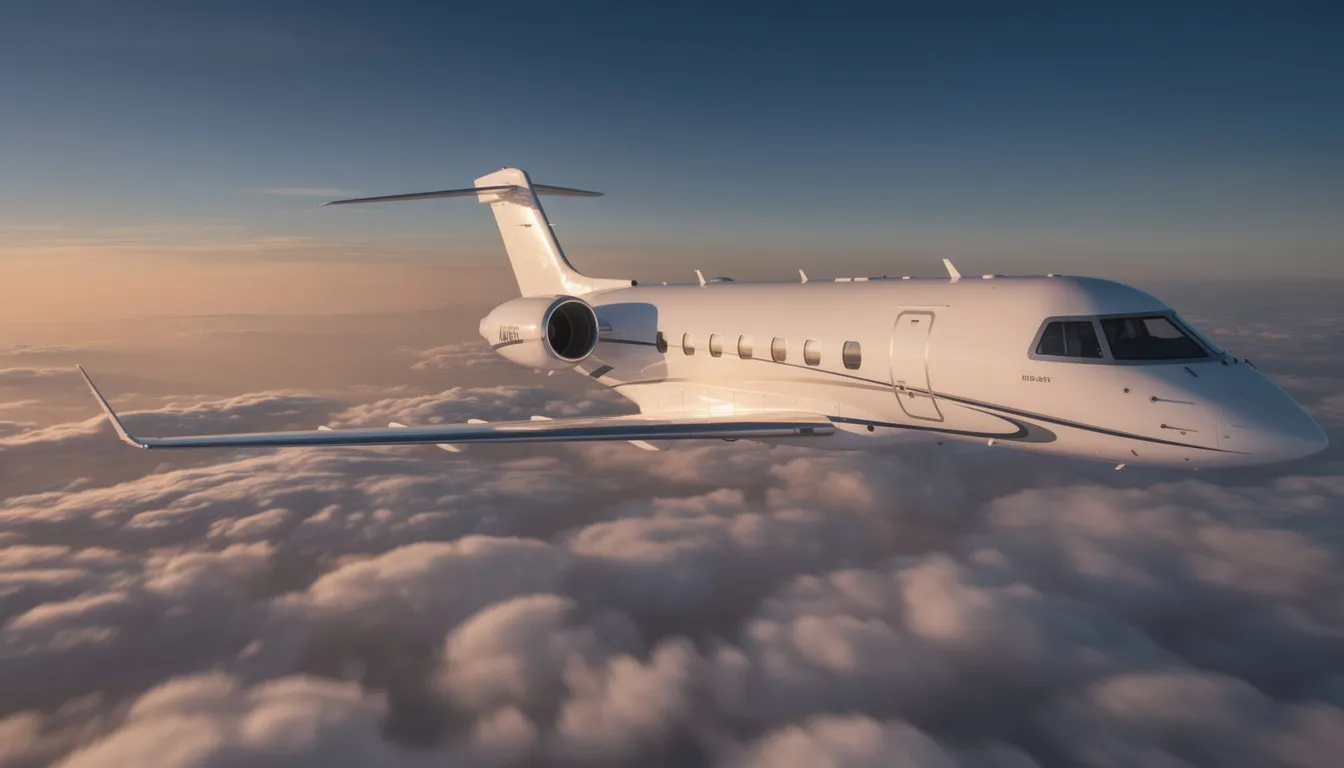
Flying private is no longer an exclusive luxury reserved only for the ultra-wealthy. Advances in private jet charter services, fractional ownership, and innovative options such as empty-leg flights have made private aviation more accessible than ever. If you’re wondering how much does a private jet cost, it’s important to know that prices vary widely depending on several factors. However, understanding the true costs involved—whether buying, chartering, or flying empty legs—is essential to making smart travel decisions, especially when considering the private jet charter cost and the factors that influence pricing.
This guide will walk you through the key private jet costs, including purchase prices, ongoing ownership expenses, charter flight rates, and tips to save while enjoying the convenience and comfort of private jet travel. Whether you’re considering owning a private jet or want to rent one for your next trip, we’ll help you navigate the complex world of private aviation costs so you can fly smarter and more affordably.
Introduction to Private Jets
Private jets represent the pinnacle of luxury and convenience in air travel, offering a level of flexibility and comfort that commercial flights simply can’t match. Whether you’re flying for business or leisure, private jet travel allows you to set your own schedule, choose your preferred airports, and enjoy a personalized experience from start to finish.
The private jet cost can vary widely, influenced by factors such as the type of aircraft, the length of your flight, and the distance you need to travel. For example, a short hop on a light jet will have a very different price tag compared to a transcontinental journey on a larger aircraft.
Travelers interested in private jet travel have several options to consider. You can opt for private jet charter, which lets you rent an entire aircraft for a specific trip without the long-term commitment of ownership. Alternatively, you might explore private jet rental for occasional use, or even consider purchasing a jet if you fly frequently enough to justify the investment. Understanding these choices—and the associated jet cost—will help you find the best fit for your travel needs and budget. Whether you’re looking for a one-time jet charter or exploring the world of private jet ownership, knowing the basics is the first step toward smarter, more enjoyable journeys.
Buying a Private Jet: Dream vs. Reality
What’s the Cost to Buy a Private Jet?
The price of a private jet varies drastically depending on aircraft model, type, size, age, and features. Here’s a quick breakdown:
Cirrus Vision Jet – World’s cheapest private jet: ~$2 million (new)
Embraer Phenom 100 – A popular Very Light Jet: $2M–$3.5M (used)
Cessna Citation Mustang – Ideal for short-haul trips: ~$2.5M (used)
HondaJet – Efficient and sleek: $2M–$6M
Beechcraft King Air 100 Turbo – Turboprop starter plane: ~$500K
Older turboprops – Can be found as low as $50K
Light jet prices are generally lower than those of midsize or heavy jets, with used models starting from less than a million dollars and new light jets typically ranging from $3.5 million to over $5.7 million. The price of a new private jet can range from less than $3 million to hundreds of millions of dollars, depending on the aircraft model and features. Aircraft age also affects the hourly rental rate, with newer aircraft typically costing more.
If you’re looking for budget-friendly options, Very Light Jets (VLJs) and turboprops are your best entry point.
First-Time Buyer Tips
Assess Usage: How often will you fly? What distances? For many first-time buyers, this changes everything.
Understand Regulations: Registration, inspections, maintenance, and compliance aren’t optional. Consider using aircraft management to simplify these responsibilities and ensure your jet remains compliant and well-maintained.
Consider Aircraft Management Companies: First-time buyers should consider hiring aircraft management companies to handle ongoing maintenance, regular inspections, repairs, and regulatory compliance, reducing your burden and ensuring optimal aircraft performance.
Hire a Mechanic for Pre-Purchase Inspection: This is non-negotiable. A good mechanic can save you from a multimillion-dollar mistake.
Line Up Financing Early: Terms matter. A lower interest rate or a flexible schedule can save hundreds of thousands of dollars over time.
Hidden Costs of Jet Ownership
Operational Expenses You Can’t Ignore
Even after you own a jet, the costs don’t stop. On average, operating a mid-size jet can cost hundreds of thousands annually. Here’s how it breaks down:
Fuel: $300–$700 per hour
Maintenance: $50,000–$200,000 annually
Insurance: $15,000–$30,000 annually
Storage: $50–$500 per month, depending on hangar or outdoor parking
Depreciation: Just like cars, jets lose value over time — especially older models
Crew salaries: Pilots and staff's salaries are a significant part of the annual budget
Buying a jet means budgeting not just for today, but for years of upkeep and operational costs. These ongoing expenses required to keep a private jet in operation include maintenance, fuel, insurance, storage, and staff salary. Maintenance costs include regular inspections, routine engine upkeep, and unexpected repairs.
Chartering a Jet vs. Owning One
Why Many First-Timers Choose Charter
If you’re flying fewer than 100 hours per year, chartering is often the smarter move. You skip ownership costs and pay only when you fly. Chartering also gives you:
Access to different aircraft types
No long-term maintenance responsibilities
No need to hire pilots or crew
Flexibility to book when you want
Private jet rental prices can be more affordable for those who don't fly frequently, as costs vary based on itinerary and trip details. For infrequent travelers, chartering a private jet is often more cost-effective than owning one.
How Much Does It Cost to Charter a Private Jet?
Rates for a private jet flight vary depending on aircraft model, size, age, flight distance, and availability. The cost to rent a private jet typically ranges from $2,000 to $14,000 per billable flight hour. Here’s a breakdown of private jet rental prices by aircraft category:
Turboprops & Very Light Jets (VLJs): $1,800–$3,500 per hour. Turboprop flights are a budget-friendly option for shorter trips, with a two-hour turboprop flight starting around $8,000.
Light Jets: $3,500–$4,800 per hour. These jets can accommodate up to seven passengers and are ideal for small groups.
Midsize Jets: $5,000–$8,000 per hour. A midsize jet offers a balance of range, comfort, and cost for short to mid-range flights.
Heavy/Long-Range Jets: $8,500–$15,000+ per hour. Heavy jets provide more space and comfort for longer trips, but require more fuel, increasing the charter cost.
Ultra-long-range jets: $8,000–$14,000 per hour within the US. Ultra-long-range jets are suitable for long-haul international flights, with a two-hour flight on this category reaching up to $37,000.
The private jet charter cost generally includes the use of the entire aircraft, crew, fuel, and insurance, but additional costs may apply. Additional costs can include in-flight catering, de-icing ($1,500 for smaller aircraft to $10,000+ for larger jets), international handling fees, Wi-Fi fees ($3.00–$8.50 per megabyte), ramp and handling fees ($100–$500 per visit), landing fees ($150–$500, set by the airport authority and based on aircraft size and weight), segment fees (a government tax per passenger), and aircraft positioning fees (based on flight time to position the aircraft for pickup). Aircraft operators manage aircraft availability, flight minimums, and may apply additional charges such as Wi-Fi or short leg fees. Aircraft owners may charge short leg fees for larger jets on short flights to cover increased fuel and maintenance.
For international flights, international fees such as landing permits, customs, and immigration fees apply and vary by route and destination. The airport authority sets landing fees, which can differ based on airport capacity and aircraft size.
The cost of a private jet is also determined by flight distance, as longer flights consume more fuel. Aircraft age and model impact hourly rental rates, with newer or preferred aircraft typically costing more. Booking in advance helps secure your desired model. Larger jets offer more space and comfort but increase costs due to higher fuel consumption. Budget-friendly options include smaller aircraft, which provide affordable rates without sacrificing luxury.
Set jet flights offer fixed routes at scheduled times, starting at around $5,000 per seat for cross-country routes. Empty leg flights provide discounted one-way fares for flexible travelers. Chartering a private jet for a week can range from tens of thousands to several hundred thousand dollars, depending on usage.
Some charter services offer per-seat pricing, making it possible to fly private for the cost of a first-class ticket.
When you rent a private jet, understanding all additional costs is essential for accurate budgeting.
Charter Company Selection: Finding the Right Partner
Choosing the right private jet charter company is a crucial step in ensuring a smooth and enjoyable travel experience. Not all charter companies are created equal, so it’s important to do your homework before booking your next flight. Start by evaluating the range of aircraft available—whether you need a light jet for a quick business trip or a larger jet for a group getaway, your charter company should offer options that match your requirements.
Experience matters, too. Look for a private jet charter company with a proven track record, highly trained crew members, and a commitment to safety. Many top-tier private jet charter services also provide added perks like in-flight catering and seamless ground transportation, making your journey as comfortable as possible from door to door.
Transparency is key when it comes to private jet rental costs. A reputable charter company will provide clear, upfront pricing that includes all potential fees—such as hangar fees, landing fees, and fuel surcharges—so there are no surprises when it’s time to pay. Don’t hesitate to ask about additional services or amenities that can enhance your trip. By partnering with a trusted charter company, you’ll enjoy peace of mind and a truly tailored private jet experience.
Empty Leg Flights: The Smartest Way to Fly Private
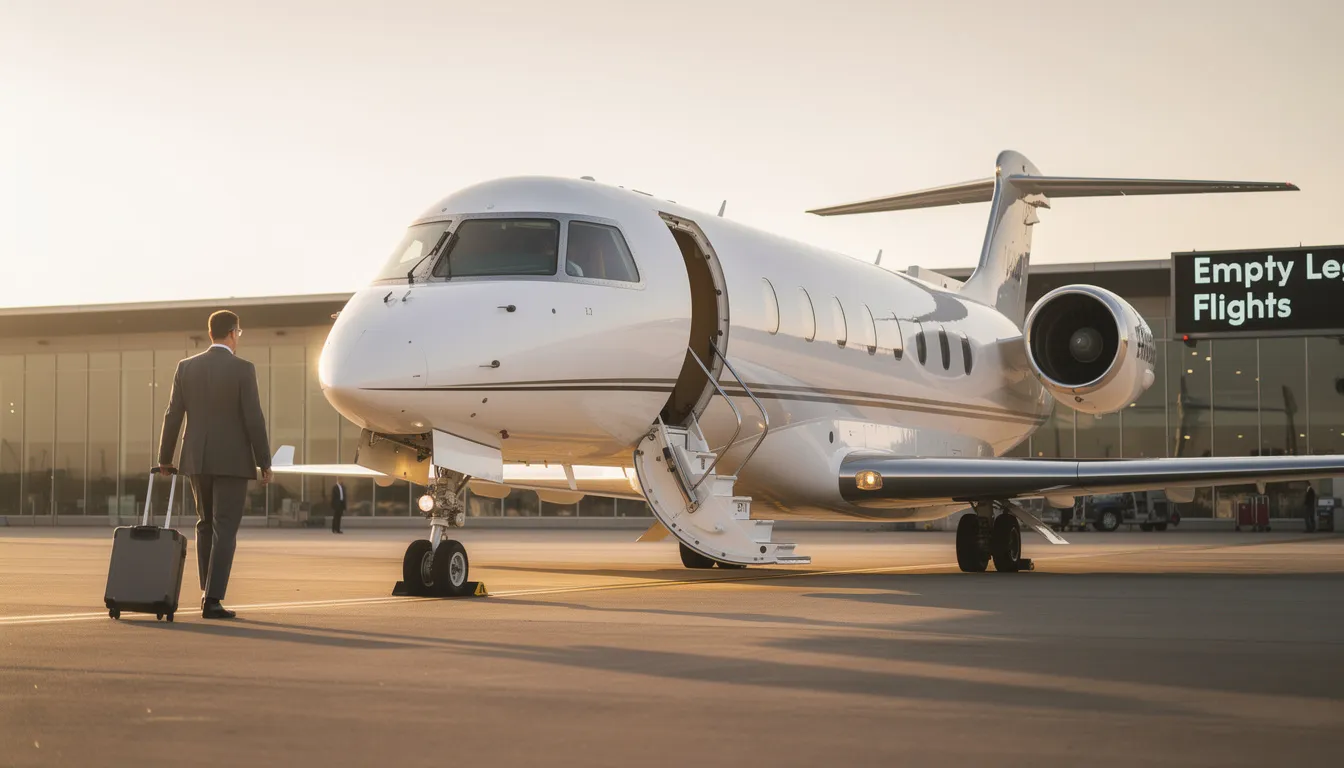
What Are Empty Leg Flights?
When someone books a one-way private jet trip, the aircraft usually must return empty. That return leg? It's known as an empty leg, and it’s the best-kept secret in private aviation.
How Much Can You Save?
Empty-leg flights can save you up to 75% on the regular charter rate. That means what could’ve been a $12,000 trip might cost just $3,000 — or less.
Why Flexibility Is Key
Empty leg flights are deeply discounted because they’re fixed in time and location. You can’t just pick any date. To take advantage:
Be flexible with departure and return times
Be open to flying from regional airports (less congestion, lower fees)
Travel mid-week or off-season for better availability
Want access to the best empty leg deals? Hoppyn.com curates a constantly updated list for members, helping you fly private smarter.
Jet Card and Membership Alternatives
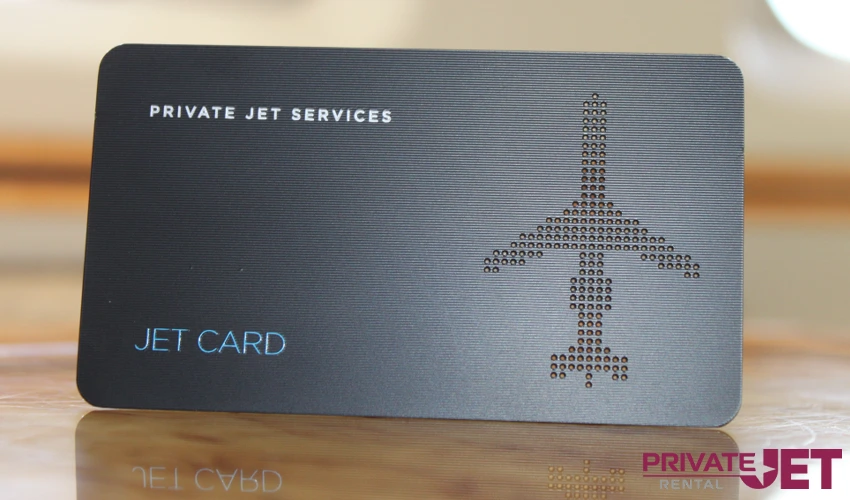
What Is a Jet Card?
A jet card lets you prepay for a block of flight hours on a specific aircraft or fleet. Think of it like a “flight punch card” — typically:
Starting at $50,000 upfront
Fixed hourly rates
Guaranteed aircraft availability
It’s great for frequent flyers who want reliability and structure, but not necessarily ownership.
Newer Options: Per-Seat and Shared Flights
Platforms like JSX offer individual seats on private jets at prices close to commercial first-class fares. These flights operate between smaller airports and offer:
Shorter security lines
Less crowded terminals
Faster boarding and exit
Private Aviation Is More Accessible Than Ever
The Numbers Tell the Story
As of July 2024, there are about 24,270 private jets in operation worldwide. That’s a 15%+ increase from pre-COVID levels, thanks to:
Surge in demand post-pandemic
Increased availability of affordable options
Platforms like Hoppyn are making entry points more transparent
Commercial Flight Comparison: Private vs. Airlines
When weighing private jet travel against commercial airlines, the differences are clear. Private aviation offers unmatched flexibility—you set your own schedule, avoid crowded terminals, and often access smaller airports that are closer to your final destination. This means less time spent waiting and more time focused on what matters, whether that’s business productivity or relaxation.
Comfort is another major advantage. With a private jet, you enjoy a personalized cabin environment, attentive service, and the ability to travel with your chosen companions. There’s no need to worry about long security lines or flight delays that are common with commercial airlines.
However, it’s important to consider the cost. Private jet travel typically comes at a premium compared to commercial flights, especially for shorter routes or when flying solo. Still, for those who value privacy, efficiency, and convenience, the benefits of private aviation often outweigh the higher price tag. Ultimately, the choice between private jet and commercial airlines depends on your priorities, travel frequency, and budget—but for many, the advantages of private jet travel make it a compelling alternative to traditional commercial flights.
Ownership vs. Charter vs. Membership — What’s Right for You?
Ask Yourself These Questions
How many hours per year do I realistically plan to fly?
Do I need the same aircraft every time or different types?
Do I want complete control (ownership) or flexibility (charter)?
What’s my total aviation budget — including operational costs?
If you're flying less than 100 hours a year and want to avoid the complexity of owning a jet, chartering and empty legs are likely your best path forward.
The Rise of Smarter Jet Travel Platforms
Platforms like Hoppyn.com are changing how people fly privately. Instead of paying per hour or committing to $50,000+ upfront, Hoppyn offers:
Flat annual membership fee
Unlimited free access to empty leg flights
Daily updated global flight board
Massive savings compared to traditional chartering
It’s designed for travelers who want the freedom of private aviation — without the cost and commitment of owning a jet.
Frequently Asked Questions
What is the cheapest private jet I can buy?
The Cirrus Vision Jet is considered the most affordable, with a purchase price of around $2 million.
Are empty leg flights reliable?
They can be — but they require flexibility. These flights can be cancelled or changed at the last minute if the original booking changes.
How do I find empty leg flights?
Platforms like Hoppyn.com maintain real-time lists of available empty leg routes, often with alert options.
Can I get insurance as a jet owner?
Yes. Insurance typically covers both liability and physical damage, and can cost between $15,000–$30,000 annually.
How many airports can private jets access?
Private jets can access 10x more airports in the US than commercial airlines, offering far greater travel flexibility.
Conclusion
Navigating the world of private jet costs can seem overwhelming, but with the right knowledge, you can make informed decisions that fit your travel needs and budget. Whether you choose to buy, charter, or take advantage of empty-leg flights, understanding the factors that influence private jet charter costs and ownership expenses is essential. From aircraft type and flight duration to additional fees such as hangar fees and ground transportation, each factor affects the overall price.
For most travelers, chartering a private jet or using empty-leg flights offers the perfect balance of luxury and cost-efficiency without the significant financial commitment of ownership. By exploring options such as jet cards, fractional ownership, or smart booking platforms, you can enjoy the convenience and comfort of private aviation tailored to your lifestyle. Fly smarter, save more, and experience the freedom of private flight on your terms.
Whether you're exploring jet ownership or seeking more innovative charter options, understanding the landscape is key. For most people, the best entry point isn’t buying a jet — it’s taking advantage of empty leg flights, chartering when needed, and using platforms like Hoppyn to unlock smarter access to private aviation.
Ready to browse today’s empty leg flight deals? Join Hoppyn and start flying private without the overhead.





Unlock Your Private
Jet Experience
Join our exclusive membership for
free flights today!

Explore More
Blogs


Join Our Exclusive
Newsletter
.png)