
A Private Jet Cost in 2026: What You Really Pay (and How to Cut It with Empty Legs)


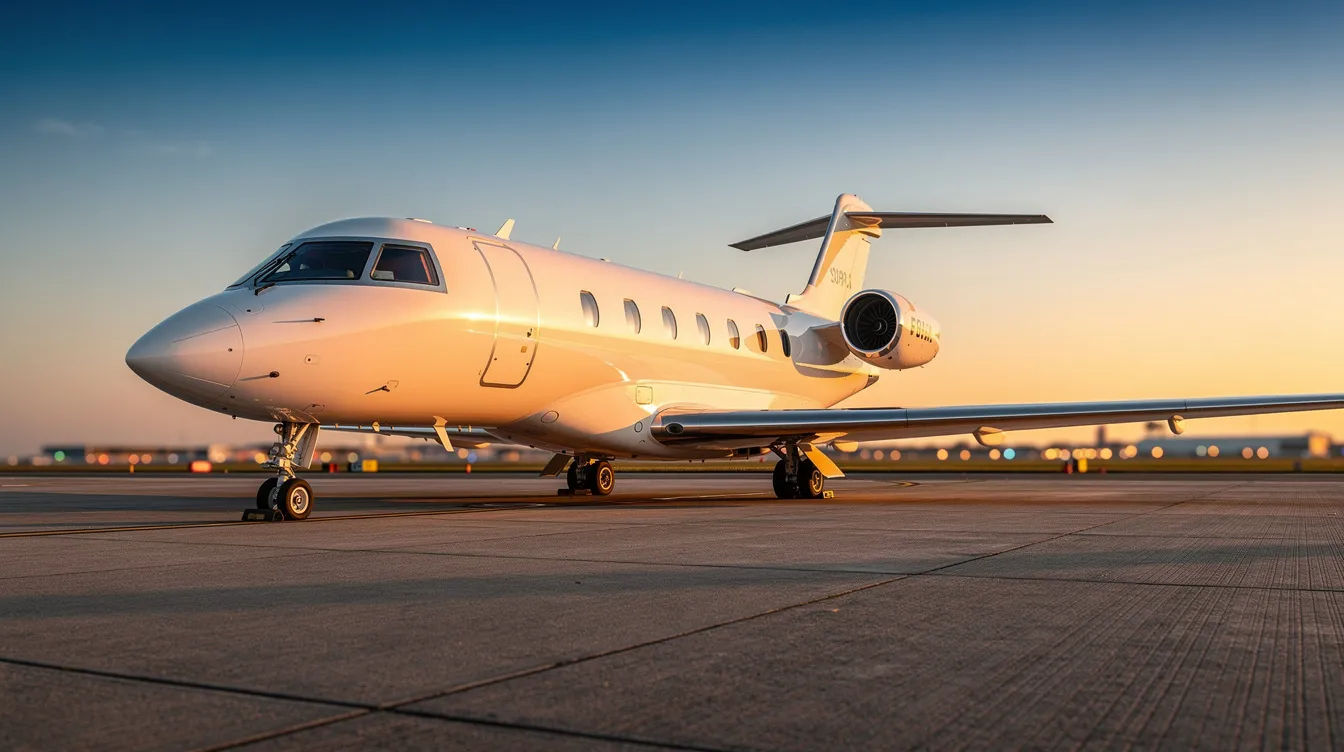
Think private jets cost a flat $10,000 an hour across the board? The reality is messier, more nuanced, and — if you know where to look — far more affordable than most people assume.
This guide is for travelers, business owners, and anyone curious about private jet pricing in 2026. Whether you're considering charter, ownership, or empty leg deals, knowing the real costs helps you make smarter travel decisions. Understanding the true cost of private jet travel is essential for budgeting, comparing options, and maximizing value—no matter if you fly occasionally or are exploring frequent use.
This guide breaks down every line item behind a private jet cost in 2026, from hourly charter rates and ownership economics to taxes, fees, and the empty leg flights that can slash your bill by up to 75%.
Key Takeaways
Private jet charter costs range from $2,300 to $23,000 per flight hour in 2026, depending on jet category. A short hop on a light jet runs $6,000–$10,000 total, while a transatlantic flight on an ultra-long-range jet can exceed $80,000 one-way.
Owning a private jet runs from roughly $2 million for very light jets to over $100 million for flagship ultra-long-range aircraft, plus $500,000 to over $3 million per year in ongoing operating costs.
Chartering a private jet is cheaper for under 200 flight hours annually. Above 200–300 hours per year, ownership starts to close the gap - but only if you're prepared for crew salaries, hangar fees, insurance, depreciation, and maintenance.
A 7.5% Federal Excise Tax applies to all U.S. domestic flights, and segment fees add a few dollars per passenger per leg. These apply even on empty leg flights.
Empty leg flights offer discounts up to 75% off standard rates because jets reposition without passengers. Hoppyn offers a $997/year membership with no per-flight cost on confirmed empty legs - a fundamentally different cost structure from traditional private jet charter.
The rest of this article breaks down private jet rental prices, operating costs, jet categories, and how empty-leg memberships can change the math for you.
How Much Does It Cost to Charter a Private Jet in 2026?
Here are the plain numbers. A short regional hop (New York to Boston) on a light jet costs roughly $6,000–$10,000 all-in. A cross-country trip (New York to Los Angeles) on a midsize jet runs $30,000–$40,000. A transatlantic charter flight (New York to London) on a heavy jet will set you back $80,000–$110,000 one-way.
Private jet charter costs are quoted per flight hour and vary by jet category, flight distance, and timing. Peak dates — holidays, major sporting events, high summer — push prices higher and tighten availability.
Here are typical 2026 hourly charter ranges:
Jet Category | Hourly Rate (USD) |
|---|---|
Turboprop | $2,300 – $3,500 |
Very Light Jet | $2,900 – $4,200 |
Light Jet | $3,750 – $4,600 |
Midsize Jet | $4,700 – $7,500 |
Super Midsize Jet | $7,500 – $12,000 |
Large / Ultra Long Range | $8,500 – $17,000 |
VIP Airliner | $18,000 – $23,000 |
These figures typically include the entire aircraft, crew, fuel, and basic insurance, so the quote is for exclusive use of the jet rather than an individual seat. They exclude government taxes, positioning flights, and some trip-specific fees we'll detail later.
The contrast with Hoppyn is straightforward: you usually pay per hour to charter a private jet. Hoppyn members pay a flat annual fee to access empty leg seats with no additional flight cost on confirmed trips.
Private Jet Cost by Jet Category and Size
Jet category is the single biggest driver of your hourly rate. Here's what each class looks like in practice:
Turboprops: 6–9 passengers, short runways, efficient for hops under 2 hours. Turboprop rentals start at around $2,300 per hour.
Very light jets: 4–6 passengers, regional trips up to ~1,500 nm. Private jet rental costs for this category range from $2,900 to $4,200 per hour.
Light jets: 6–8 passengers, 2–3-hour domestic legs. Think Cessna Citation CJ3+, Embraer Phenom 300E.
Midsize jets: 7–9 passengers, stand-up cabins, coast-to-coast comfort. Praetor 500, Hawker 800XP.
Super midsize: 2 passengers, full stand-up cabins, nonstop coast-to-coast. Bombardier Challenger 350, Citation Longitude.
Large jets and ultra-long-range jets: 10–19 passengers, intercontinental nonstop capability. Gulfultra-long-rangebardier Global 7500. Private jet rental costs range from $8,500 to $17,000 per hour for this class.
VIP airliners: converted airline fuselages, 20+ passengers, conference rooms, and bedrooms. VIP airliners cost between $18,000 and $23,000 per hour.
Larger aircraft require larger crews and higher maintenance, which is why the jump between categories is so steep. Right-sizing the aircraft to your actual mission - passenger count, cabin space needs, and flight distance - is one of the easiest ways to manage private jet rental cost.
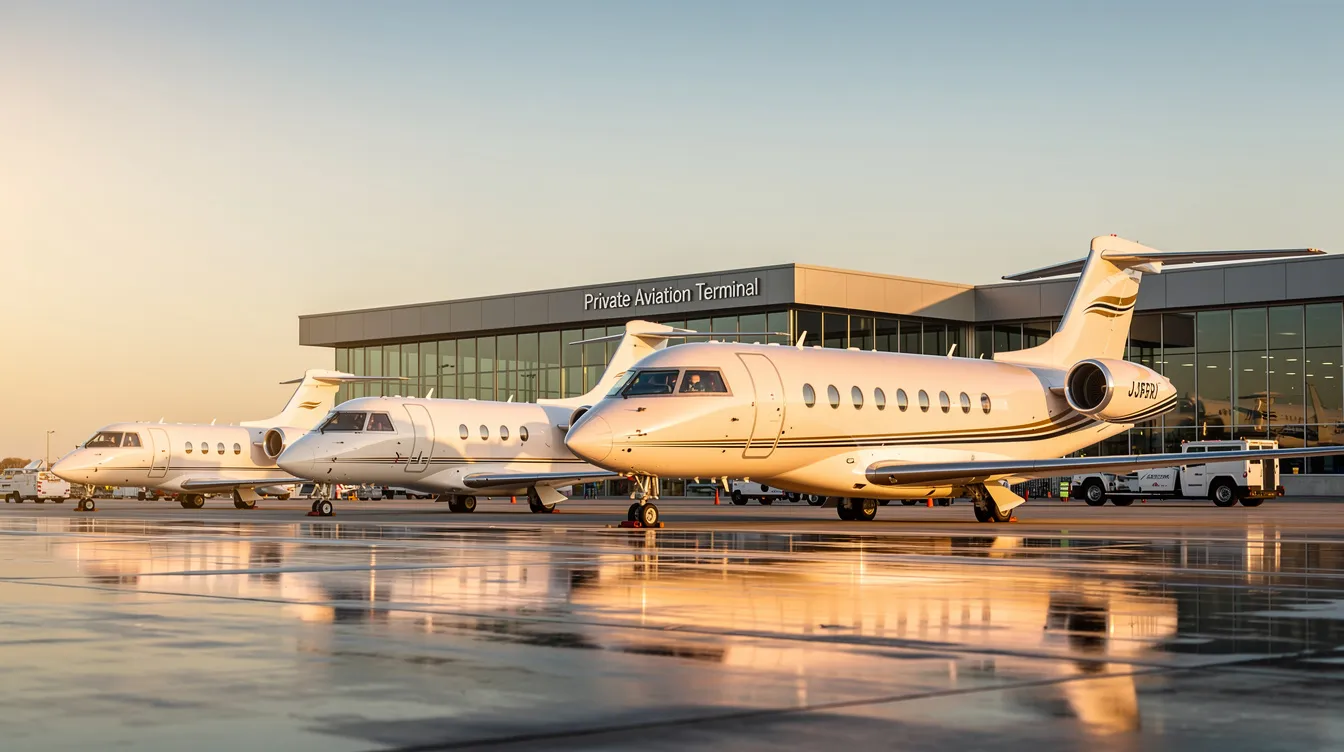
How Private Jet Rental Hourly Rates Are Built
Hourly charter rates aren't arbitrary. They're derived from an aircraft's total annual operating costs divided by expected annual flight hours (utilization).
Fixed expenses baked into the rate include:
Crew salaries and recurrent training
Hangar fees
Private jet insurance (hull and liability)
Scheduled and long-term maintenance costs
Aircraft management and dispatch overhead
Variable expenses layered on top include:
Fuel burn per flight hour - jet fuel is the largest variable expense, consuming 25% to 35% of total operating costs
Maintenance reserves and unplanned maintenance events
Landing fees and handling charges
Navigation and overflight fees
Higher utilization (more hours flown per year) typically lowers the effective hourly rate because fixed costs spread over more hours. Operators also factor in margin, risk, and regional differences - flying in South America, for example, tends to cost more than equivalent routes in the U.S. due to fuel prices and maintenance constraints.
Key Factors That Influence What You Actually Pay
Sticker hourly rates are just a starting point. Your final quote changes with several levers:
<ul> <li><strong>Total billable flight time</strong>: Includes taxi time, and some operators apply daily minimums of 2–3 hours.</li> <li><strong>Aircraft size and jet category</strong>: The biggest cost driver, as outlined above.</li> <li><strong>Dates and peak demand</strong>: Holidays and events carry premiums. Charter prices vary based on aircraft availability and positioning.</li> <li><strong>Routing and airport choice</strong>: Major hub airports carry higher fees than regional airports.</li> <li><strong>Aircraft positioning</strong>: If the plane has to fly from another city to reach you (a "ferry leg"), that cost gets passed through. This can swing totals by tens of thousands of dollars.</li> <li><strong>Aircraft age</strong>: Older jets or newer models with avionics upgrades affect pricing. Aircraft age can increase rental rates by $100 to $1,000 per hour.</li> </ul>
Understanding "billable flight hour" matters. It's not just time in the air - it often includes taxi and sometimes repositioning segments, plus daily minimums that mean a 45-minute hop can be billed at 2 hours.
Government Taxes and Mandatory Fees (Including Federal Excise Tax)
Base charter quotes in the U.S. are subject to several government-imposed charges that show up as separate line items.
Federal Excise Tax (FET): A 7.5% Federal Excise Tax applies to all U.S. domestic flights. It's calculated on the base charter fare and collected by the operator.
Segment fee: Roughly $4.50–$5.30 per passenger per domestic leg. Multi-stop itineraries with the same aircraft accumulate multiple segment fees.
International head taxes: For international flights to/from the U.S., expect per-passenger departure taxes. Special rates apply for Alaska and Hawai'i routes.
For Hoppyn empty leg flights, applicable government taxes and segment fees still apply even when the member doesn't pay a base fare to charter the jet. The FET and segment fees are baked into U.S. aviation law and apply to any air transportation, regardless of the pricing model.
Airport-Related Charges: Landing, Ramp, and Handling Fees
Airports and FBOs (fixed-base operators) add their own charges on top of aircraft costs. These vary wildly.
Landing fees: Airport landing fees range from $100 to $2,000 depending on location, airport authority pricing, and aircraft weight. Busy metro airports (Teterboro, Van Nuys) sit at the top end.
Ramp and handling fees: Typically $100–$500+, covering parking, marshaling, and ground services. Some FBOs waive handling fees if you purchase a minimum amount of fuel.
Overnight parking: Additional charges apply if the aircraft stays overnight, especially at premium FBOs.
Consider nearby executive or regional airports to lower these costs. Flying into a smaller field 30 minutes from your destination can save hundreds to thousands — and often means less ground transportation time than a congested major airport.
Trip-Specific and Seasonal Extras That Add Up
Many add-ons aren't obvious until the quote is itemized. Here's what catches people off guard:
<ul> <li><strong>De-icing</strong>: From ~$1,500 on light jets to $15,000+ on larger aircraft in severe winter conditions. Hangar fees for overnight winter protection add further cost.</li> <li><strong>Crew overnights and per diems</strong>: $200–$600 per crew member per night on multi-day trips. A three-day trip with two pilots could add $1,200–$3,600.</li> <li><strong>Short leg fees</strong>: Short leg fees apply to flights under 60 minutes to offset maintenance costs and disproportionate fuel burn on very short hops.</li> <li><strong>In flight catering</strong>: Standard snacks and beverages are usually included. Custom catering - full meals, specific dietary requirements - is extra.</li> <li><strong>Cleaning and pet fees</strong>: If you're traveling with animals, expect surcharges. Same for deep cleaning after large groups.</li> <li><strong>Wi-Fi</strong>: Some aircraft charge separately for high-speed connectivity.</li> <li><strong>Ground transportation</strong>: Arranged through the operator or FBO, this is a convenience fee that adds up, especially in international destinations.</li> </ul>
Sample 2026 Route Costs: From Short Hops to Ultra Long Range
Here are four concrete examples to make the numbers real:
New York (TEB) → Boston (BED) - Light Jet ~1 flight hour. Charter cost: $4,000–$4,600 base. Add FET (7.5%), segment fees, landing and handling: all-in roughly $5,500–$7,000. On an empty leg? Potentially $1,500–$3,000 total if you catch the right repositioning flight.
New York (TEB) → Miami (OPF) - Midsize Jet ~2.5 flight hours. Charter cost: $12,000–$19,000 base. All-in with taxes and fees: $14,000–$22,000. If the aircraft must be ferried from another city, add another $5,000–$10,000. Empty leg price: potentially $5,000–$8,000.
Los Angeles (VNY) → New York (TEB) - Super Midsize Jet ~4.5 flight hours. Charter cost: $34,000–$54,000 base. All-in: $38,000–$60,000+. This is a busy corridor where empty leg flights appear frequently — savings of 50–75% are realistic for flexible travelers using spontaneous one-way empty leg deals from a city hub.
New York (TEB) → London (LTN) - Ultra Long Range ~7–8 flight hours. Charter cost: $60,000–$136,000 base depending on the aircraft type. All-in with international handling, customs, overflight permits, and taxes: $70,000–$150,000+. Positioning flights on long-haul flights like this can swing the total dramatically.
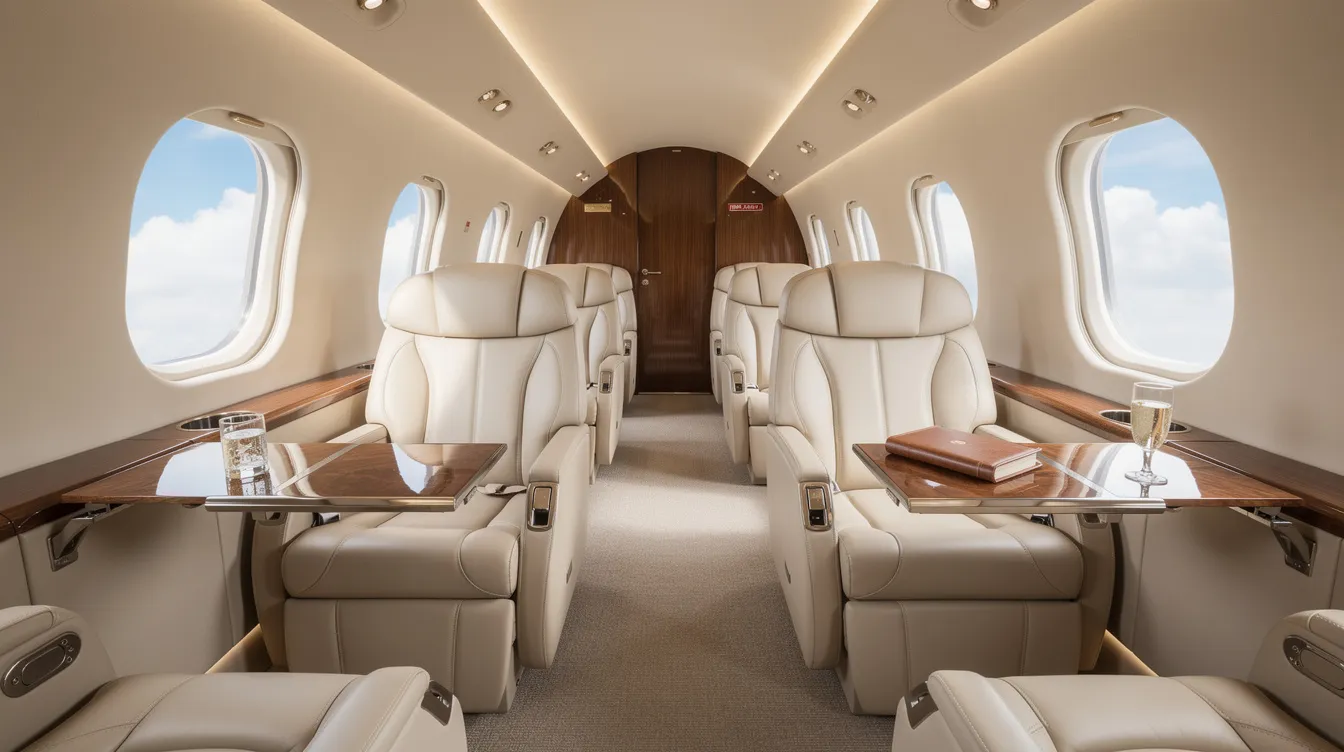
How Much Does It Cost: Long-Haul Private Jet (vs Charter)?
The ownership vs charter decision comes down to annual flight hours and capital commitment.
Purchase price for private jets ranges from $2 million to over $150 million:
Very light jets are priced between $2 million and $5 million
Light jets: $3.5M–$9M (new or pre-owned jets)
Midsize and super midsize: $5M–$30M
Large cabin and ultra-long-range: $25M–$100M+
Pre-owned jets may cost 20% to 50% less than new models but could incur higher maintenance costs.
Private jet owners face fixed annual costs - crew salaries, hangar fees, private jet insurance, and management - of roughly $500,000 to $2 million+ depending on aircraft size. Ongoing expenses for ownership can reach several million dollars annually depending on aircraft size and usage. Aircraft management companies often handle scheduling, regulatory compliance, and maintenance tracking for owners.
Variable operating costs per flight hour run ~$1,000–$1,500 for very light jets, ~$2,500–$4,000+ for midsize jets, and up to ~$5,000+ for large and ultra-long-range aircraft.
Depreciation is a high cost of private jet ownership, with new jets losing up to 15% of their value in the first year. Annual operational costs typically represent 10% to 20% of a jet's initial purchase price.
The break-even math: chartering a private jet is cheaper for under 200 flight hours annually. Full ownership starts making sense above ~200–250 hours/year for smaller business jets and 300+ hours for large cabin jets.
Fixed vs Variable Operating Costs Explained
Understanding fixed vs variable costs is essential to comparing ownership, chartering a private jet, and membership models.
Fixed costs don't change with how much you fly:
Hangar rental: $30,000–$100,000+/year
Hull and liability insurance: $20,000–$300,000+/year
Crew salaries and training: $200,000–$500,000+
Management fees and subscription services (navigation databases, weather)
Annual maintenance costs and program enrollment
Fixed costs account for roughly 40% to 60% of total annual ownership expenses. Owning a private jet incurs fixed costs such as crew salaries, insurance, and hangar fees regardless of whether you fly a single hour.
Variable costs scale with each flight hour:
Fuel (the dominant line item)
Routine and unscheduled maintenance reserves
Engine overhaul reserves
Landing and navigation fees
In-flight catering and cabin services
Aircraft size and complexity raise both lines. The annual fixed costs for a heavy jet can exceed $1.8 million before a single wheel leaves the ground.
Charter customers indirectly pay all of these through the hourly rate. Hoppyn members bypass per-hour billing entirely on qualifying empty legs, paying only their annual membership fee plus applicable taxes and personal extras.
Private Jet Cost by Specific Jet Category (Examples)
Here's a closer look at popular categories with specific models:
Light Jets The Cessna Citation CJ3+ and Embraer Phenom 300E are workhorses in this class. Range: ~1,500–2,000 nm. Charter hourly rates: $3,750–$4,600. These are ideal for regional domestic flights - think New York to Atlanta or Chicago to Dallas. Private jet price for a new Phenom 300E sits around $10 million.
Midsize / Super Midsize: The Bombardier Challenger 300 (now 350) and Embraer Praetor 600 dominate here. Range: 3,000–4,000 nm. Charter hourly: $5,500–$12,000. These handle coast-to-coast nonstops with cabin space that includes stand-up cabins and club seating for 8–10 passengers.
Large Cabin and Ultra Long Range: The Gulfstream G650/G700 and Bombardier Global 6000/7500 sit at the top. Range: 6,000–7,500 nm. Hourly charter: $12,000–$17,000+. These are private aircraft built for intercontinental nonstop legs with beds, showers, and high-speed Wi-Fi. The jump in hourly rate reflects dramatically higher fuel burn, larger crews, and more expensive maintenance cycles.
Operating Cost Spotlight: Bombardier Challenger and Other Popular Models
The Bombardier Challenger family - including the Challenger 300, 350, and 604 - serves as a useful case study for super midsize and large jet operating costs.
In 2026, in North America, typical hourly charter rates for a Challenger 350 run $7,500–$10,000. The same aircraft operating in South America can cost roughly 16% more due to higher fuel prices and limited maintenance infrastructure.
Approximate annual fixed costs for a Challenger-class jet:
Two pilots (salaries + training): $300,000–$400,000
Hangar: $50,000–$120,000
Insurance: $60,000–$150,000
Management and dispatch: $80,000–$120,000
Variable costs run approximately $3,000–$4,500 per flight hour. Over 200 annual flight hours, an owner's total outlay approaches $1.5–$2.0 million — which starts to rival what they'd spend on charter for the same aircraft at list rates.
Hoppyn members may sometimes see Challenger-type aircraft in the empty leg feed, effectively accessing a super midsize experience without paying its full hourly rate.
How Many Private Jets Does One Person or Company Really Need?
Even large corporations commonly operate just one jet and supplement with on-demand charter or empty legs when needed, while charter operators use dedicated resources to connect fleets and list empty legs efficiently.
Common fleet patterns:
Single primary jet plus occasional charter backup for scheduling conflicts
Two to three jets of different sizes - a light jet for short hops, a larger aircraft for long-haul flights - in organizations with several million dollars in annual travel budgets
Four or more aircraft are rare and tied to very high utilization flight departments (think Fortune 100 companies)
Mission profile drives the decision. If your trips are mostly domestic flights under 3 hours, a single light or midsize jet covers 90% of needs. Add frequent international flights and a second, larger aircraft might make sense.
For most individuals and small companies, flexible charter access and membership platforms are more cost-effective than building a multi-jet fleet. Hoppyn effectively lets you "extend" your virtual fleet options by tapping into thousands of empty legs worldwide without taking on asset risk.
Empty Leg Flights: The Shortcut to Lower Private Jet Cost
Empty leg flights are repositioning flights that charter operators must fly without passengers. When a private plane drops off clients in Miami and needs to return to New York for the next booking, that return flight is an empty leg. These flights occur when jets reposition without passengers, creating opportunities for travelers who can work around fixed schedules.
The savings are real: empty leg flights offer discounts up to 75% off standard rates. Booking empty leg flights can significantly reduce travel costs — sometimes bringing per-trip cost below what you'd pay for a first-class commercial ticket on the same route.
The trade-offs are equally real:
Fixed departure windows (you fly on the operator's timeline)
Limited route selection (you go where the jet is going)
Last-minute changes or cancellations if the underlying charter shifts
Mostly one-way legs
Empty leg flights are available globally for private jet travel, across all jet categories from very light jets to ultra-long-range aircraft. Travelers out of Toronto can tap empty leg flights with a $997 annual membership. They appear more frequently on busy corridors: New York–Florida, London–Nice, Los Angeles–Las Vegas.
Flexibility on dates is required to access empty leg flights. If you can bend your own schedule to match what's available, the math changes dramatically.
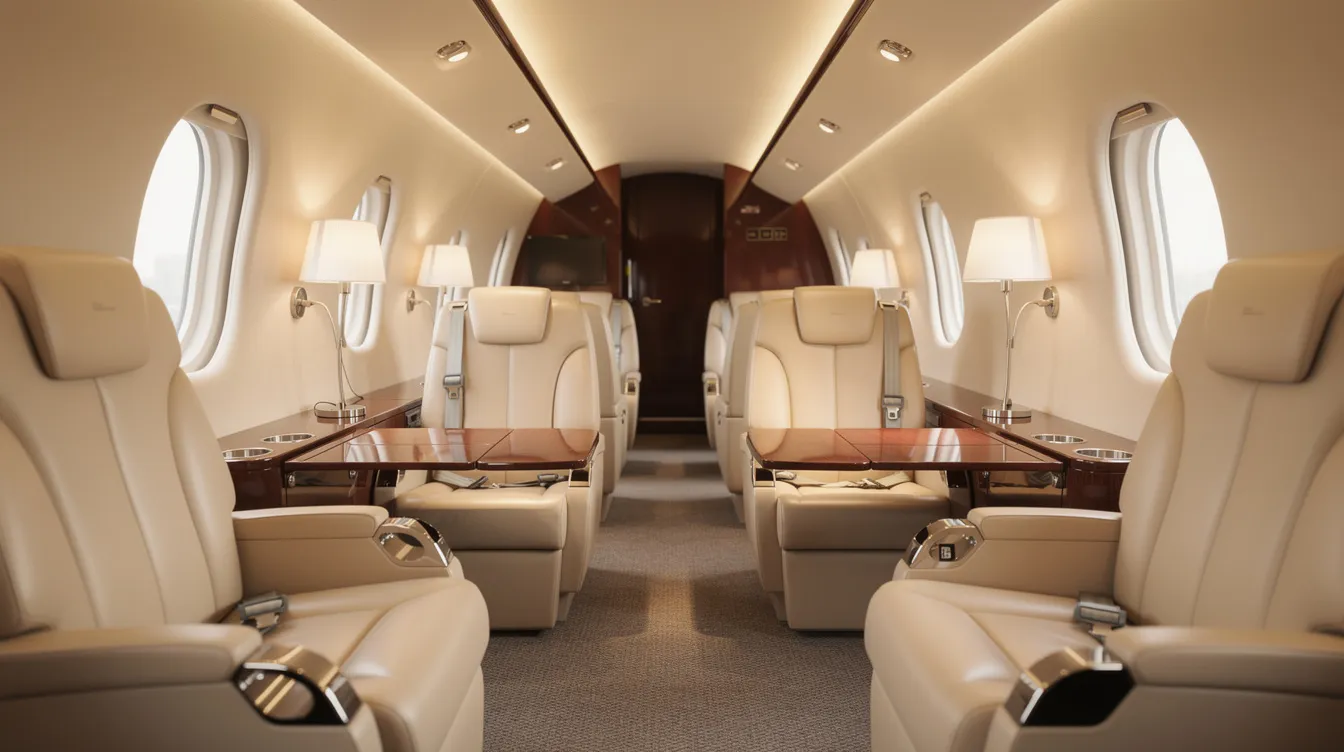
How Hoppyn's Membership Changes the Private Jet Cost Equation
Here's how Hoppyn works: you pay a $997/year membership. Once confirmed, you fly empty-leg private jets with no per-flight cost for the seat.
Members browse a live global board of empty legs, request seats, join waitlists, and only pay applicable government taxes, fees, and personal extras (catering, ground transportation) when they fly. New flights are added daily.
Compare that to normal private jet rental, where you pay thousands to tens of thousands of dollars per trip based on aircraft size and flight hours. Or private jet charter flights where a single cross-country trip on a midsize jet can cost $30,000+.
Key benefits of the Hoppyn model:
Unlimited confirmed empty-leg flights for a flat annual fee
Transparent pricing — no hidden hourly rates, no surprise surcharges
Access to private aviation across multiple jet categories worldwide
Dedicated 24/7 support
The expectation to set clearly: itineraries are opportunistic. You adapt to available empty legs rather than dictating exact routes and departure times. This suits flexible travelers — frequent flyers, retirees, remote workers, entrepreneurs with adaptable schedules — who want to dramatically reduce private jet cost while still flying private.
Empty Leg vs Traditional Charter vs Ownership: Cost Comparisons
Here's how three models compare for different traveler profiles:
Profile | On-Demand Charter (Annual) | Hoppyn Membership + Empty Legs | Full Ownership (Light/Mid Jet) |
|---|---|---|---|
5–10 leisure trips/year (~20–40 hrs) | $75,000–$300,000 | $997 + taxes/fees per trip | $700,000–$1.5M+ (mostly fixed costs) |
100-hour/year business traveler | $350,000–$750,000 | $997 + taxes/fees (availability dependent) | $1.2M–$2.0M |
300-hour/year frequent flier | $1M–$2.5M+ | $997 + supplemental charter for rigid trips | $1.5M–$2.5M (ownership starts to compete) |
Hoppyn's model is strongest for lower to moderate utilization and high date flexibility — travelers who don't need to dictate exact routes or departure times on every trip.
Traditional private jet charter retains its value when you must control schedule and routing precisely. Ownership only makes sense at very high annual flight hours with predictable missions.
Many travelers now mix models: scheduled airlines for routine trips, occasional on-demand charter for must-arrive meetings, and empty leg membership to keep overall private jet cost predictable. Owning a private jet incurs ongoing annual expenses ranging from $500,000 to over $3 million, which is hard to justify unless you're logging serious flight hours.
How to Save Money on Private Jet Travel (Actionable Tips)
Here's a practical checklist:
<ul> <li><strong>Right-size the aircraft</strong>: Don't book a heavy jet for four passengers on a 2-hour leg. A light jet or super light jet does the job at a fraction of the cost.</li> <li><strong>Choose secondary airports</strong>: Landing fees, ramp charges, and ground transportation at regional airports are often a fraction of major hub costs.</li> <li><strong>Avoid peak dates</strong>: Holiday weekends and major events carry premiums. Shift by a day or two if possible.</li> <li><strong>Combine legs</strong>: Plan multi-stop itineraries efficiently to reduce positioning flights and make better use of the entire aircraft's time.</li> <li><strong>Monitor empty leg flights</strong>: Be flexible with dates and destinations. The deepest discounts - up to 75% - go to travelers who can adapt.</li> <li><strong>Share costs</strong>: Splitting the direct cost of a private plane among passengers drops per-person expense dramatically. A $12,000 light jet trip split six ways is $2,000 each.</li> <li><a href="https://hoppyn.com/join-hoppyn"><strong>Join Hoppyn</strong></a>: A concrete, low-friction step to access global empty leg opportunities year-round instead of hunting ad-hoc deals trip by trip. For the price of a single bag fee on some scheduled airlines per year, you get access to a constantly refreshed board of private jet service options.</li> </ul>
When Does It Make Sense to Stop Renting and Look at Ownership or Fractional?
Private jet cost decisions evolve. Many people start with charter or empty legs and only consider ownership as usage climbs.
Common thresholds:
<ul> <li><strong>Under 100 hours/year</strong>: Charter and empty legs are almost always the best value. Annual ongoing costs for ownership can exceed $2 million — hard to justify at this usage level.</li> <li><strong>100–200 hours/year</strong>: Jet card programs and fractional ownership enter the conversation. These offer predictable hourly rates but carry monthly fees and multi-year commitments.</li> <li><strong>200–300+ hours/year</strong>: Full ownership may be viable, especially for midsize jets and larger aircraft where the original aircraft price depreciates but utility remains high. Improved fuel efficiency on newer models can help offset rising fuel prices.</li> </ul>
For many frequent but cost-conscious travelers, a hybrid approach works best: commercial for short, well-served routes; a membership like Hoppyn for opportunistic private flights; and occasional bespoke charter for rigid, must-arrive trips.
Track your actual flight hours over 12–24 months before committing to a purchase or large fractional share. How many private jets you need - if any - should be driven by data, not aspiration.

Frequently Asked Questions
How much does it cost per person to fly private on a short trip?
Most private jet pricing is per aircraft, not per seat. But you can estimate per-person cost by dividing the total trip cost by the number of passengers. A $12,000 light jet trip with six people works out to about $2,000 each — roughly business-class territory on some routes.
Per-seat options and empty leg memberships can push per-person costs even lower. Hoppyn members don't pay per-seat flight fares on confirmed empty legs — only the annual membership plus applicable taxes and personal extras. On some routes, that puts you in the range of a premium economy or business-class seat on a commercial flight.
Is Federal Excise Tax included in private jet quotes, or added later?
Reputable U.S. charter providers show the 7.5% Federal Excise Tax and segment fees as separate line items on the quote, added to the base charter price. Always confirm whether an initial quote is "plus FET and fees" or genuinely all-inclusive. The difference on a $30,000 charter is $2,250 - not pocket change.
Taxes still apply on eligible empty leg flights. Hoppyn members should factor those into their total trip budget alongside any in flight catering or ground transportation they choose.
How far in advance should I book to get the best private jet price?
For standard private jet charter flights, booking 30–60 days in advance generally yields better aircraft selection and more competitive pricing, especially outside major holidays.
Empty leg flights operate on a different timeline. They're often listed much closer to departure - sometimes days or hours ahead. Flexibility on dates is more valuable than long-range planning here. The best strategy: plan key trips well in advance with traditional charter, and supplement with opportunistic empty legs via Hoppyn's flight board for maximum savings.
Can I rely on empty leg flights for critical business trips?
Because empty legs depend on underlying charter demand and can be rescheduled or cancelled, they're best used for flexible or non-critical travel. Use traditional charter or commercial for must-arrive meetings, and treat empty legs as high-value bonus options.
Hoppyn provides 24/7 support to help members navigate changes, but cannot override an operator's operational decisions on repositioning flights. If you need guaranteed departure times, request a flight and have a backup plan.
How do I get started with Hoppyn if I want to lower my private jet costs?
Three steps:
Join online with the flat $997/year membership fee.
Browse the live empty leg feed and join waitlists for routes that fit your plans.
Once a seat is confirmed, pay only required taxes and any optional extras you choose - no additional flight cost.
New members often start by targeting common corridors where empty legs frequently appear: New York–Florida, Los Angeles–Las Vegas, London–Nice. From there, you'll quickly learn how the rhythm of private aviation creates opportunities that fit your own schedule.
Conclusion: Making Private Jet Travel Work for You
Understanding the true cost of private jet travel in 2026 reveals many options beyond the traditional hourly charter or full ownership models. Empty leg flights, accessed via membership platforms like Hoppyn, offer a transparent, affordable way to fly private by leveraging repositioning flights at a fraction of the usual cost. With a flat annual membership fee and no per-flight charges on confirmed empty legs, you gain access to thousands of global private jet flights without the hidden fees and complexity of charter pricing.
Whether you’re a casual traveler seeking luxury on a budget, a business owner looking to optimize travel costs, or a frequent flyer considering ownership, knowing your usage, flexibility, and priorities is key. Chartering remains the best choice for precise schedules and routes, while ownership suits very high utilization. For most, combining scheduled airlines, charter, and empty leg memberships delivers the best balance of convenience, cost, and private jet experience.
Ready to explore private jet travel without breaking the bank? Join Hoppyn today and start browsing empty leg flights worldwide to unlock private jet access that fits your lifestyle and budget.




Unlock Your Private
Jet Experience
Join our exclusive membership for
free flights today!

Explore More
Blogs


Join Our Exclusive
Newsletter
.png)






