Commercial Flight vs Private Flight: Which Option is Right for You?


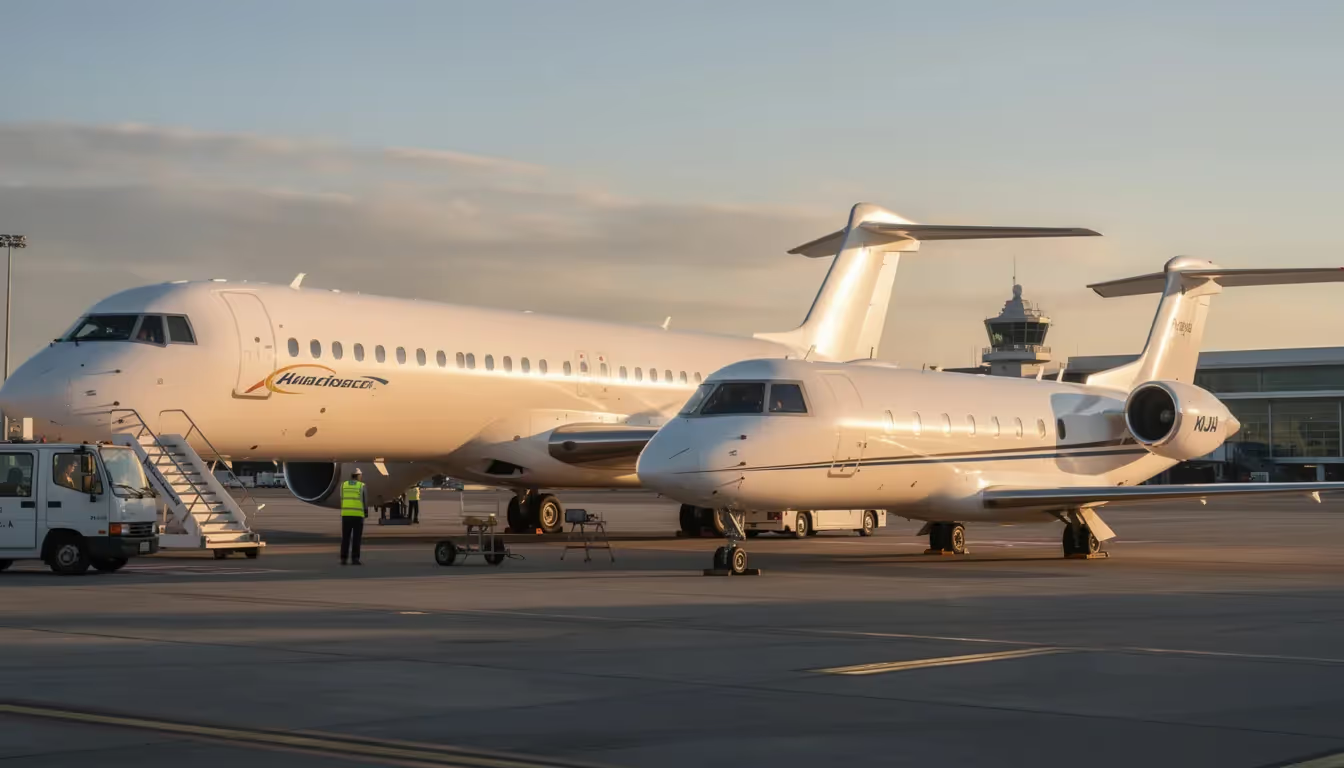
Air travel has become an essential part of modern life, connecting people across the globe in hours instead of days. While commercial airlines have long dominated the skies, the rise of private aviation—especially empty leg private jet travel—has created exciting new options for those seeking speed, comfort, and flexibility.
Understanding the differences between commercial flights and private flights is more important than ever. Whether you're a frequent business traveler, a leisure flyer, or someone exploring alternatives for the first time, this guide will help you weigh the pros and cons of each option—and determine if a private jet membership like Hoppyn is right for you. Commercial flights are generally more cost-effective than private flights, making them a popular choice for budget-conscious travelers. The average cost of a domestic commercial flight in the United States is around $350 per person. Private flights typically cost more than standard airline tickets due to exclusivity and added benefits.
Types of Flights
Commercial Flights
Commercial airlines operate on fixed schedules, transporting hundreds of passengers per flight. You’ve likely flown this way before—economy, premium economy, business, or first class. Major carriers operate these flights and adhere to strict airport and airline protocols. Commercial flights are open to the general public and can be crowded and noisy, whereas private flights are typically owned or chartered by individuals or companies.
Pros: Affordable, frequent departures, global network
Cons: Crowds, delays, fixed schedules, limited personal space
Private Flights
Private flights involve smaller aircraft chartered for individual use. With empty leg flights, you're booking a leg of a private jet’s repositioning journey—at a significantly reduced rate.
Pros: Total flexibility, privacy, faster boarding, luxurious cabins
Cons: Higher cost, limited availability unless you're a member. Private flights cost significantly more than commercial flights and are priced by the hour, covering all operational expenses. This higher cost reflects the exclusivity and added benefits of private aviation. Private air travel is generally more expensive to operate and maintain than commercial airliners.
Charter Flights
Somewhere in between, charter flights are typically arranged for groups. While more affordable than full private jet charter, you still face high costs and scheduling limitations.
Aircraft and Design
Commercial Aircraft
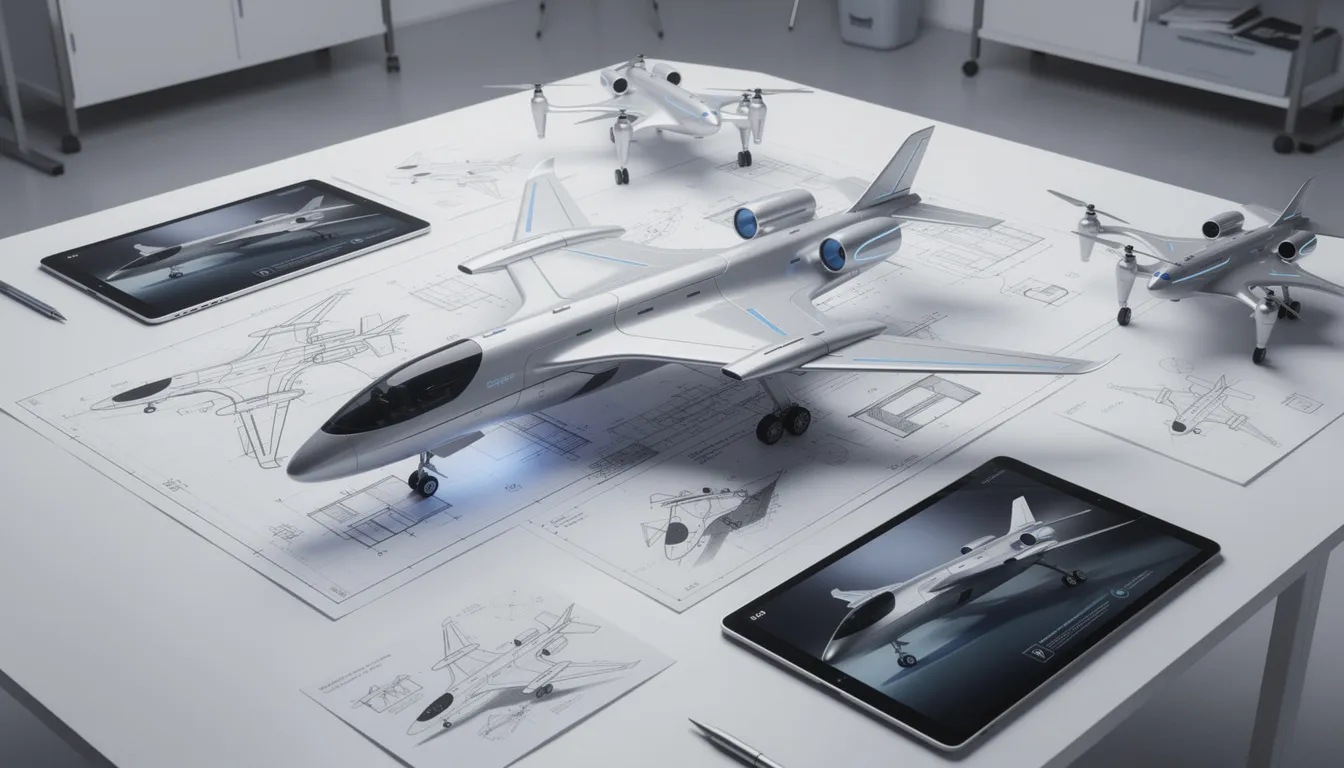
Commercial jets such as the Boeing 737 and Airbus A320 are optimized for capacity and fuel efficiency. Features such as business class are designed to provide extra comfort, but you're still sharing the experience with hundreds of others. To attract high-end customers, commercial airlines have also begun offering luxury amenities like lie-flat seats and premium meals. Commercial airlines can spread their costs across more passengers, allowing them to offer lower ticket prices.
Private Aircraft
Private jets—think Gulfstream, Bombardier, or Cessna—are built for speed, luxury, and personalization. From reclining leather seats to onboard catering and Wi-Fi, these aircraft are designed to transform travel into a first-class experience. Additionally, private jets typically offer more space per passenger than commercial airlines, allowing for more room to stretch out and relax. Private flights offer passengers a spacious, customizable cabin for confidential business meetings or relaxation.
One major perk? Access to smaller regional airports, which commercial flights typically can't serve. That means less ground travel and more time at your destination. Private pilots can often fly into smaller, more remote airports that commercial airlines do not serve, offering greater convenience.
Safety Considerations
Safety is paramount in both commercial and private aviation.
Regulations
Private jets must comply with the same FAA or EASA safety standards as commercial airlines.
Commercial pilots: Often fly larger aircraft and log more hours
Private jet pilots: Typically have elite military or commercial training backgrounds
Both options are safe, but flying with a trusted provider, such as those vetted by Hoppyn, provides peace of mind.
Cost and Efficiency
Commercial Flights: Budget Friendly
For short trips and solo travel, commercial flights are more economical. You can book in advance and score deals with budget carriers. However, commercial flights operate on a fixed schedule, requiring passengers to plan their travel around the airline's departure times.
Private Flights: Time Efficient
Private flights are all about saving time. You avoid the long lines, boarding delays, and hub-to-hub limitations. For business travelers or high-frequency flyers, the time saved often offsets the price difference. The overall travel experience on private jets is usually more seamless and relaxed compared to commercial flights, which involve lengthy procedures.
What About Empty Leg Flights?
This is where Hoppyn stands out. Traditional private jet charters cost thousands per hour—but empty leg flights, which are return legs flown without passengers, offer the same luxury at a fraction of the cost. Renting a private plane can range from $1,200 to $10,000 per hour, depending on the aircraft type and destination.
Travel Time and Scheduling
Commercial
You’re tied to the airline’s schedule. If there’s a delay or cancellation, your options are limited.
Private
Leave on your time. Need to take off early for a meeting, or push back departure due to a lunch date? No problem.
Hoppyn’s platform makes it easy to find empty-leg flights near your preferred departure time, helping you reclaim control of your calendar.
Comfort and Amenities
Commercial Flights
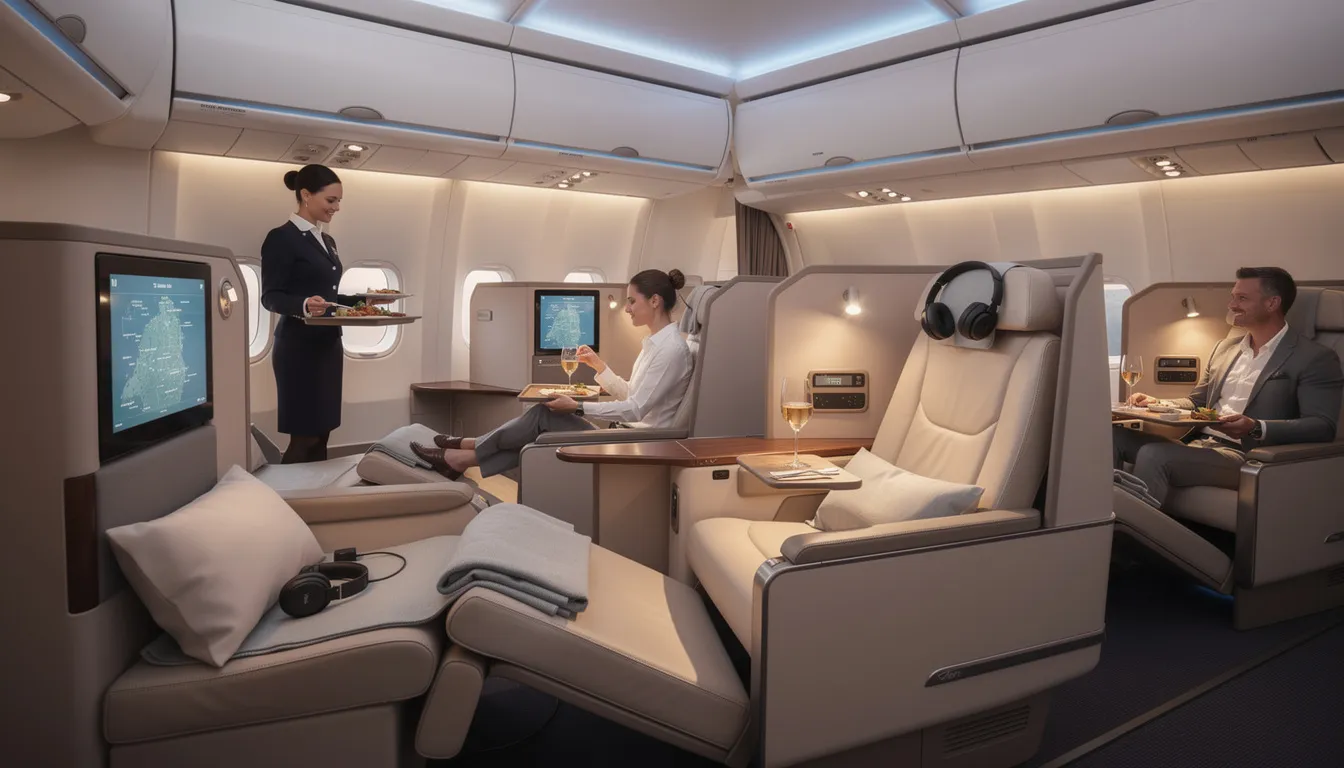
Business class offers extra space, meals, and entertainment, but you're still navigating crowds and limited service.
Private Flights
Private jets redefine comfort:
Spacious cabins
Lie-flat seating or sofas
Gourmet catering
Fine wines & spirits
Streaming entertainment
Private flights can also provide more sophisticated refreshment options, including gourmet meals and a selection of alcoholic beverages, surpassing what is typically available on commercial airlines.
And because you're often flying with just your group—or even solo—the vibe is completely tailored to you.
Productivity and Privacy
On commercial flights, you're surrounded by strangers. You might get work done, but it’s hardly distraction-free.
On private flights, the quiet cabin, strong Wi-Fi, and secure environment make them ideal for high-stakes business travelers or those seeking peace. Flying private also allows passengers to connect to onboard Wi-Fi to stay productive, which can be more challenging on commercial flights.
Plus, you can conduct private meetings en route—a game changer for executives.
Regulations and Operations
Airport authorities tightly control commercial air travel. You're subject to TSA lines, baggage fees, and terminal chaos. Private aviation is generally less regulated for security screening than commercial aviation, enabling a more streamlined and efficient boarding process.
Private flights operate under Part 135 (in the U.S.), which allows for simplified logistics and faster processing. No TSA line. No boarding group. Just show up, fly, and go. Passengers can board private flights just minutes before departure, avoiding long check-in and security lines. Private flights significantly reduce ground time; passengers can arrive at dedicated terminals 15-30 minutes before departure, further improving efficiency.
Still, reputable providers ensure full compliance with safety and maintenance regulations. Hoppyn partners only with trusted operators.
Environmental Impact
Commercial Flights
While commercial aviation spreads emissions among many passengers, it still accounts for a significant share of global aviation emissions.
Private Flights
Private jets—especially with one or two passengers—have historically had a higher per-person carbon footprint. But this is changing:
Newer jets use more efficient engines
Smarter routing reduces waste
Empty-leg utilization (as with Hoppyn) reduces the number of empty, fuel-wasting flights. However, private flights typically have a larger carbon footprint per passenger because they carry fewer passengers and offer more flexible routing.
For sustainability-focused travelers, flying on an empty leg means reclaiming wasted travel capacity, making it a more intelligent choice.
Health and Well-being
Crowded terminals, recirculated air, and long lines can leave you drained before your trip even begins. Private flights minimize travel stress and health risks through a streamlined process and limited contact with large crowds.
Private jets offer:
More space to stretch and move
Healthier catering options
Minimal contact with others
No stress security and boarding process
Advanced filtration systems on private flights can reduce exposure to airborne pathogens.
In a post-COVID world, many travelers prioritize these benefits.
Special Requirements
If you have mobility issues, medical needs, or want special accommodations, private aviation delivers:
Room for medical equipment
Onboard nurses or assistants
Special menus or setups for children, pets, or elderly travelers
Commercial airlines try—but private jets make it seamless.
Technology and Innovation
Both commercial and private aviation are embracing new technologies, but private aviation often leads in:
Advanced cockpit tech
Sustainable fuel adoption
Innovative scheduling platforms (like Hoppyn)
Digital membership tools and live flight boards
With Hoppyn, members get real-time access to empty leg opportunities, making booking faster, easier, and more affordable than ever.
Customer Service
Commercial
Set scripts, large crews, and minimal flexibility. You may get a great flight attendant, but you're still part of the crowd.
Private
Personalized greetings
Custom in-flight service
No check-in desk or luggage wrangling
Private jet travel is about you, and the service reflects that from start to finish.
Frequently Asked Questions (FAQs)
What are the key differences between a commercial flight and a private flight?
Commercial flights operate on fixed schedules with large aircraft carrying many passengers. In contrast, private flights offer flexible schedules with smaller aircraft, personalized service, and access to smaller airports closer to your final destination.
Do private jets fly faster than commercial planes?
Yes, private jets typically have faster cruising speeds. They can fly at higher altitudes, enabling faster ascent and more direct routes, often resulting in significant time savings compared to commercial flights.
Is flying privately safer than flying commercially?
Both private jets and commercial airliners adhere to strict safety regulations. While commercial airlines have rigorous security screening and maintenance protocols, private jets are also subject to high FAA or EASA standards, ensuring both options are safe for travelers.
Can private flights offer more privacy and comfort than commercial flights?
Absolutely. Private flights provide a personalized experience, with spacious cabins, tailored amenities, and the ability to fly with only your chosen passengers, unlike commercial flights, where you share space with many travelers.
How does the security process differ between commercial and private flights?
Commercial flights require extensive security screening, including TSA lines and baggage checks. Private flights have a simplified security process, often avoiding long lines and allowing for faster boarding.
Are private flights more cost-effective than commercial flights?
Generally, commercial flights are more cost-effective for most travelers, especially solo passengers or short trips. However, private flights can be time-efficient and cost-effective for business trips, group travel, or when flying to smaller airports not served by commercial airlines.
Can private jets fly directly to smaller airports?
Yes, private planes can access many smaller regional airports and avoid major hubs, reducing ground travel time and providing unparalleled convenience for reaching your final destination.
How flexible are departure and arrival times on private flights compared to commercial flights?
Private flights offer flexible schedules, allowing you to choose exact departure and arrival times that suit your needs, unlike commercial flights, which operate on fixed schedules. Private jets operate on demand, giving passengers the freedom to choose the exact departure date and time that best fits their schedule.
What amenities can I expect on a private flight?
Private flights offer luxurious amenities, including gourmet catering, lie-flat seats or sofas, streaming entertainment, and personalized service tailored to your preferences.
How can I book an empty leg private flight?
Platforms like Hoppyn provide access to empty leg flights, offering the luxury and convenience of private jet travel at a fraction of the usual cost by booking one leg of a private jet’s repositioning journey.
Conclusion: Choosing the Right Flight Option
Both commercial and private flights have their place—but if your priorities are time, privacy, comfort, and control, private aviation is hard to beat.
And thanks to platforms like Hoppyn, flying private is no longer reserved for billionaires.
With a transparent, flat membership fee, daily-updated empty-leg flights, and global jet access, Hoppyn gives modern travelers the freedom to fly smarter—not just fancier.
Ready to Experience the Smarter Way to Fly?
Stop paying for overpriced charters or wasting hours in commercial terminals. Join Hoppyn and start browsing empty leg flights today — the innovative, affordable, and luxurious way to fly private.




Unlock Your Private
Jet Experience
Join our exclusive membership for
free flights today!

Explore More
Blogs


Join Our Exclusive
Newsletter
.png)