
Cost of Private Planes: Ownership, Charter, and Empty-Leg Alternatives


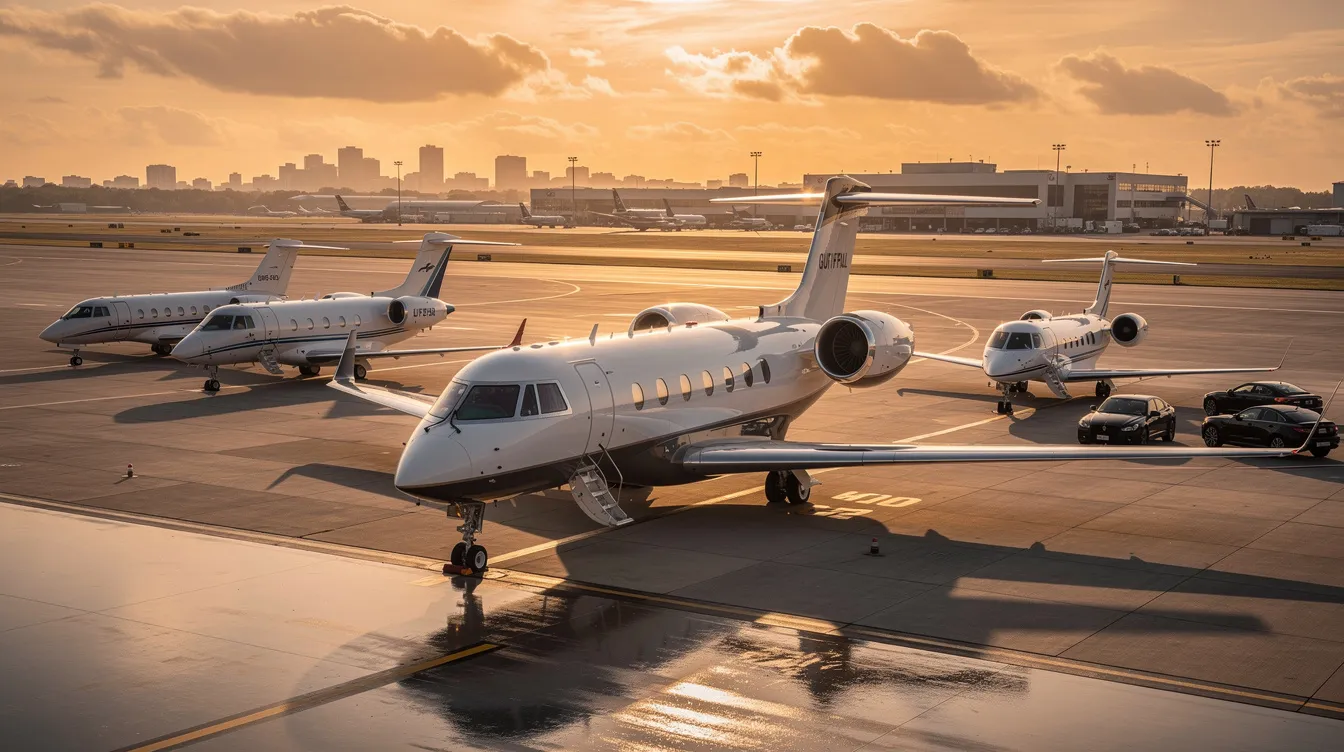
Think private jets cost $5,000 per flight hour minimum? Sometimes they do. Sometimes they cost way more. And sometimes, they cost almost nothing. The real cost of private planes depends entirely on how you access them. This guide is for anyone considering private jet travel—whether you're a business traveler, a frequent flyer, or simply curious about the economics of flying private. Understanding the true cost of private planes helps you make informed decisions and avoid unexpected expenses. This guide breaks down every dollar—from buying to chartering to flying empty legs—so you can figure out which model actually fits your budget and travel habits.
Key Takeaways
Buying a private jet costs between $2 million and $100 million+, depending on aircraft size, age, and capabilities. Annual ongoing costs can exceed $2 million for large jets, covering crew, maintenance, hangar, and insurance whether the aircraft flies or not.
Traditional private jet charter costs range from $2,300 to $17,000 per flight hour in 2026, with ultra-long-range jets and large-cabin aircraft sitting at the top. VIP airliners run even higher at $18,000 to $23,000 per hour.
For most people flying under 200–250 hours per year, full private jet ownership is more expensive than on-demand private jet rental or private jet charter flights. The fixed costs simply eat you alive at low utilization.
Empty leg flights can save up to 75% off standard charter rates. These flights occur when jets reposition without passengers after a booked charter. Hoppyn's flat-fee private jet membership ($997/year) gives you access to these flights globally—no per-flight charge.
The rest of this article breaks down price ranges by jet category, compares owning a private jet versus chartering a private jet, and shows how empty legs dramatically change cost per trip.
How Much Does It Really Cost to Fly Private in 2026?
The honest answer: it depends on how you access the plane. A private plane can cost you several million dollars to buy, a few thousand per hour to charter, or—if you're flexible—close to nothing on an empty-leg membership.
Here's a quick snapshot of typical 2026 charter rates by aircraft category:
Turboprops (King Air, PC-12): ~$2,300–$3,500 per hour
Very light jets (HondaJet, Vision Jet): ~$2,300–$3,500 per hour
Light jets (Phenom 300, Citation CJ4): ~$3,750–$4,600 per hour
Midsize jets (Citation Latitude, Hawker 800): ~$4,700–$7,500 per hour
Large jets (Falcon 900, Gulfstream G550): ~$8,500–$17,000 per hour
VIP airliners (BBJ, ACJ): ~$18,000–$23,000 per hour
Total trip cost isn't just the hourly rate multiplied by flight time. Add taxes (a 7.5% Federal Excise Tax applies to US domestic flights), repositioning fees if the aircraft needs to fly empty to reach you, airport handling, and crew overnights. Many providers also impose minimum daily flight hour requirements, which can inflate a short hop.
Later sections compare these same missions under three models: private jet ownership, traditional charter, and Hoppyn's empty-leg membership.
Private Jet Price Ranges by Jet Category (Purchase Cost)
Private aircraft are classified by cabin size and capability. The industry breaks them into six main categories: very light jets, light jets, midsize jets, super midsize jets, large cabin jets, and ultra long range jets. The purchase price scales with cabin volume, range, passenger count, and brand prestige.
Here are realistic 2026 purchase price bands:
Very light jets: ~$2M–$5M new
Light jets: ~$3.5M–$9M new
Midsize jets: ~$5M–$16M new
Super midsize jets: ~$16M–$30M new
Large cabin jets: ~$25M–$62M new
Ultra long range jets: ~$65M–$100M+ new
Pre-owned aircraft in each jet category may be 20–50% cheaper, but can require avionics upgrades, cabin refurbishment, or engine overhaul work that increases total investment. A private jet's purchase price can range from $2 million to over $100 million, depending on model and condition. Purchasing a private jet typically requires a 10% to 20% down payment.
Concrete examples: the Citation CJ4 Gen2 (light jet, ~$10M new), Embraer Praetor 600 (super midsize, ~$21M), and Gulfstream G700 (ultra long range, ~$78M).
Very Light and Light Jets: Entry-Level Private Jets
Very light jets and light jets are 4–8 seat aircraft built for regional trips up to about 1,500–2,000 miles. They're the entry point for private jet owners who want the convenience of flying private without the footprint (or cost) of a larger aircraft.
Typical 2026 purchase prices:
Very light jets: ~$2M–$5M new; used examples from ~$1M–$2.5M
Light jets: ~$3.5M–$9M new; used from ~$2M–$6M depending on aircraft age and total flight hours
Concrete examples:
Cirrus Vision Jet SF50: ~$3.2M new, seats 5–7, range ~1,200 nm
HondaJet Elite: ~$5.5M, seats 5–6, range ~1,437 nm
Embraer Phenom 100/300: Phenom 100 from ~$1.5M used, Phenom 300 ~$10M new
Cessna Citation Mustang: ~$1.2M–$1.8M pre-owned
Operating costs for light jets usually land around $1,000 to $1,100 per flight hour in variable expenses. That makes them cheaper to run per hour than larger private jets, but still costly compared to chartering or memberships for anyone with low annual flight hours. If you're flying under 150 hours a year, owning even a light jet rarely makes financial sense.
Midsize and Super-Midsize Jets: More Cabin, More Range, More Cost
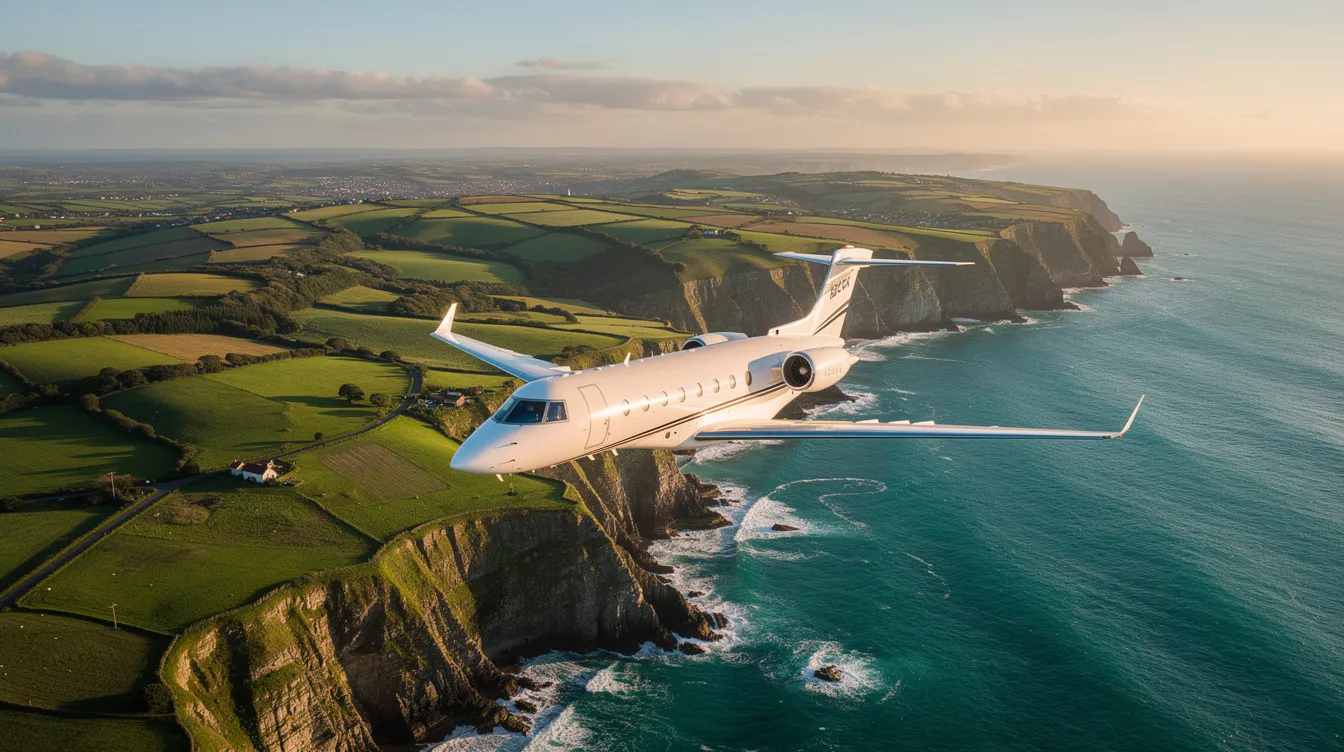
Midsize and super midsize jets typically seat 8–10 passengers and stretch range to roughly 2,000–4,000+ nautical miles. They handle US coast-to-coast missions, transcontinental flights, and some international flights with ease. Many feature stand-up cabins, making them popular for business jets used on longer routes.
2026 purchase price ranges: $5M–$30M+. Newer aircraft like the Embraer Praetor 600 and Cessna Citation Longitude sit toward the upper end.
Specific examples:
Bombardier Challenger 300: ~$8M–$12M pre-owned, range ~3,100 nm
Gulfstream G200: ~$4M–$7M pre-owned, range ~3,400 nm
Praetor 600: ~$21M new, range ~3,900 nm (New York to Los Angeles nonstop, easily)
Operating costs per flight hour for a midsize jet are usually $2,500–$4,000+. At 200 hours per year, a super midsize jet's total operating cost (fixed plus variable) can reach roughly $1.5M, resulting in about $7,600 per hour all-in. At 100 hours, that jumps to roughly $11,600 per hour. Ownership is feasible mainly for companies or individuals flying several hundred hours annually.
Large Cabin and Ultra Long Range Jets: Top of the Market
Large cabin and ultra long range private jets can seat 12–19 passengers and routinely cross oceans with ranges of 5,000–7,500+ nautical miles. They sit at the apex of both private jet price and operating costs.
Realistic 2026 purchase prices: from around $25M for older large jets up to $75M–$100M+ for new ultra-long-range flagships.
Concrete examples:
Gulfstream G650: ~$35M–$45M pre-owned, range ~7,000 nm
Gulfstream G700: ~$78M new, range ~7,500 nm
Bombardier Global 7500: ~$75M new, range ~7,700 nm
Dassault Falcon 7X/8X: ~$20M–$40M pre-owned, range ~5,950–6,450 nm
Annual fixed operating costs on these aircraft often exceed $2 million. That's crew salaries, hangar fees, insurance, management, and scheduled inspections—before a single flight. These are primarily the domain of governments, Fortune 500 firms, and ultra-high-net-worth private jet owners. For most, chartering or leveraging memberships for ultra-long-range aircraft is far more practical.
Key Drivers of a Private Jet's Purchase Price
Beyond size and brand, several factors push private jet purchase price up or down:
Airframe age and total flight hours: Lower flight hours and fewer pressurization cycles generally increase value. Aircraft size and age are primary factors influencing the purchase price of private jets.
Maintenance and engine programs: Buyers pay premiums for aircraft enrolled in programs like JSSI, MSP, or Rolls-Royce CorporateCare, because these reduce the risk of unplanned maintenance events. Maintenance and engine programs influence an aircraft's resale value and operational costs.
Documentation quality: A well-documented aircraft with maintenance history typically costs more due to reduced risk of unexpected repairs. Always insist on a thorough pre-buy inspection before committing.
Avionics and connectivity: Upgrades like ADS-B Out, FANS 1/A+, CPDLC for international flights, and cabin connectivity (Starlink, AVANCE L5 Wi-Fi) can add hundreds of thousands to over $1M in value.
Market conditions: The 2024–2026 post-pandemic normalization and delivery slot availability for new jets have moved values by 10–20% within a single year. Acquisition and purchase prices can vary widely depending on aircraft category and timing.
When evaluating pre-owned jets, the original aircraft price matters less than current condition, program status, and remaining useful life on engines and hot sections.
Private Jet Operating Costs: Fixed vs Variable
Annual running costs are split into fixed expenses and variable costs. Fixed costs are incurred even when the aircraft is not flying. Variable costs scale directly with the number of hours flown. Understanding this split is essential for deciding whether owning a private jet makes sense for you.
Fixed Costs
Fixed costs are incurred whether the aircraft flies or not. You pay them every year regardless of how many annual flight hours you log:
Crew salaries and training
Hangar fees
Private jet insurance
Aircraft management fees
Navigation and data subscriptions
Scheduled inspections and airworthiness directives
Variable Costs
Variable costs scale directly with the number of hours flown:
Fuel (generally the single largest variable expense for private jets)
Maintenance reserves and hourly programs
Landing fees and handling charges
In-flight catering
De-icing
International overflight and permit charges
Annual running costs are split into these fixed expenses and variable costs. Ballpark figures: annual fixed costs often run $500,000–$2M+, while variable costs range from roughly $1,000–$5,000+ per flight hour depending on jet category. Owning a private jet requires high fixed and variable costs that together can make or break the financial case.
Common Fixed Annual Ownership Costs
Here's what the fixed side looks like in 2026:
Fixed Costs
Hangar rental: ~$30,000–$100,000/year depending on airport and region. Congested hubs (Teterboro, Van Nuys, Nice) sit at the high end.
Insurance: ~$20,000–$300,000/year depending on aircraft type, value, and usage profile. Larger aircraft and less-experienced crews push premiums higher.
Crew: $200,000–$500,000+ for two pilots, including benefits and recurrent training. Crew salaries are often the single biggest fixed line item.
Management fees: If you use a management company for scheduling, compliance, accounting, and safety oversight, expect low to mid six figures annually.
Inspections and airworthiness: Older or more complex jets may require larger budgets for scheduled inspections and airworthiness directives even when the aircraft isn't flying many hours. Major inspections and overhauls can lead to unexpected capital expenses.
Annual fixed expenses typically include pilot salaries, hangar storage, and insurance. Fixed operating costs occur whether the plane flies or not and typically total $300,000 to $1 million annually. For most private jets, fixed costs include crew salaries, insurance, hangar fees, and management.
These fixed costs are the main reason low-utilization owners see extremely high cost per flight hour compared to private jet charters or memberships. If you're flying 50 hours a year on a midsize jet with $800,000 in annual fixed costs, that's $16,000 per hour before you burn a drop of fuel.
Variable Costs
Variable costs change with each additional flight hour flown. Here are indicative 2026 ranges:
Very light and light jets: ~$1,000–$1,500 per flight hour
Midsize and super midsize jets: ~$2,500–$4,000 per flight hour
Large and ultra long range jets: ~$4,000–$5,000+ per flight hour
Fuel is usually the highest variable cost, sensitive to global fuel price swings. Jet fuel prices can greatly influence operating costs, especially for larger jets. Higher fuel costs on a Gulfstream G550 burning 250+ gallons per hour add up fast on long missions. Newer aircraft with improved fuel efficiency help offset this, but fuel remains the dominant variable line item.
Maintenance reserves — money set aside for engine overhauls and major checks — often add $300–$800+ per flight hour depending on aircraft type and program enrollment.
Landing fees, ramp and handling charges, and navigation fees typically scale with aircraft weight and airport choice. A landing at Teterboro might cost $500–$1,500, while a smaller regional airport charges $100–$300. These can materially affect the total cost of a multi-leg trip. Larger aircraft generally incur higher operational costs due to fuel consumption and maintenance needs.
Taxes, Airport Fees, and "Hidden" Charges on Private Flights
Beyond the purchase price and hourly rates, taxes and airport fees significantly influence the total cost to charter a private jet or operate one privately. Owning a private jet involves substantial tax, regulatory, and transactional considerations.
US-specific charges:
A 7.5% Federal Excise Tax on domestic charter flights
A $4.50 segment fee per passenger per leg
International head taxes on cross-border routes
Airport fees:
Landing fees: $100–$1,500 depending on airport and aircraft weight
Ramp and handling fees: vary widely by FBO
Occasional hangar fees during bad weather or overnight stays
Ancillary add-ons:
De-icing: can reach several thousand dollars for larger aircraft in winter
Crew overnight fees range from $200 to $600 per crew member
Short leg fees apply to flights under 60 minutes (some operators impose minimums)
Wi-Fi surcharges on some aircraft
Extra cleaning or pet fees
Ground transportation arrangements at either end
These items can add tens of thousands to a trip total that initially looked straightforward on paper.
Cost of Chartering a Private Jet in 2026
Private jet rental prices bundle aircraft, crew, fuel, and insurance into an hourly rate, with taxes and logistics added on top. Private jet charter costs range from $2,300 to $23,000 per hour in 2026.
Here's the breakdown by aircraft type:
Turboprops: ~$2,300–$3,500/hour
Very light jets: ~$2,300–$3,500/hour
Light jets: ~$3,750–$4,600/hour
Midsize jets: ~$4,700–$7,500/hour
Large jets: ~$8,500–$17,000/hour
VIP airliners: ~$18,000–$23,000/hour
Total trip price = hourly rate × light hours + positioning flights + crew overnights + airport fees + government taxes. One-way charter flight bookings can sometimes cost close to round-trips because of repositioning — the operator still has to get the same aircraft back to its base.
Route examples:
New York to Miami (~3 hours on a light jet): ~$11,250–$13,800 in charter costs alone, plus taxes and fees. On a midsize jet, that same trip runs $14,100–$22,500.
Los Angeles to London (~10.5 hours on an ultra-long-range aircraft): $90,000–$180,000+ depending on the private jet service and aircraft type.
Chartering avoids capital commitment and ongoing ownership costs. You pay for what you use. But at these rates, frequent flyers start doing math on alternatives.
What Drives Private Jet Charter and Rental Prices?
Several levers affect what you'll pay for private jet rental costs on any given trip:
Flight distance and time: Longer distances and slower aircraft increase total flight hours, raising the direct cost even if the hourly rate is modest.
Jet category and aircraft age: Newer aircraft or premium brands command higher hourly rates due to performance, cabin comfort, or better fuel burn. Older jets may be cheaper per hour but less efficient and less comfortable.
Peak vs off-peak demand: Holiday weekends, major sporting events (Super Bowl, Monaco Grand Prix), and seasonal patterns (Florida in winter, Mediterranean in summer) push private jet charter costs up significantly.
Positioning and logistics: If no aircraft is based near your departure airport, the operator flies one in on your dime. That repositioning adds flight hours (and cost) before you even board.
Passenger count and baggage: While private planes don't charge per seat like airlines, exceeding weight limits or requiring a larger aircraft category for your group raises the price bracket.
Flexible itineraries on off-peak dates can save you 15–25% compared to peak-demand travel—even before considering empty legs.
How Many Private Jets Do Most People Actually Need?
The short answer for most individuals and small companies: one, or more likely, zero.
If you own at all, you typically operate a single primary aircraft matched to your most common mission. A business owner who flies 300 hours a year doing domestic flights across the eastern US might own a midsize jet. An international executive covering global routes might own an ultra-long-range aircraft.
Large corporations or governments may own fleets of 2–5+ business jets covering different jet categories—a light jet for short regional hops, a large cabin jet for transatlantic work. But that's the exception, not the rule.
Even for high-usage jet owners, occasional extra missions are usually covered by on-demand charter rather than buying a second aircraft. Owning a private jet outright means paying its fixed costs 365 days a year. Doubling that fixed cost burden by owning two aircraft rarely makes sense unless utilization justifies it.
For many travelers, not owning any private aircraft and using a mix of chartering a private jet and empty-leg solutions is more efficient than owning one, let alone several.
When Does Full Private Jet Ownership Make Financial Sense?
Ownership makes financial sense when you fly enough hours to spread those high annual fixed costs across many trips. Full ownership is economical for 200+ flight hours per year.
Approximate benchmarks:
Light and midsize jets: ownership becomes competitive above ~200–250 annual flight hours
Large and ultra-long-range jets: generally require 300+ hours per year to beat chartering
Below these thresholds, fixed costs like hangar, crew, and insurance dominate, making per-flight-hour costs dramatically higher than comparable private jet charters.
Example contrast:
A light jet owner flying 400 hours per year sees all-in costs of roughly $3,500 per hour—beating typical charter rates of $4,200–$5,200 per hour for the same aircraft. But drop that utilization to 200 hours and the ownership cost jumps to ~$5,500 per hour, making chartering cheaper. At 80–100 hours per year, ownership is roughly double the cost of chartering.
Chartering a private jet is more cost-effective for under 200 flight hours per year. If you're not sure where you fall, track your actual travel patterns for a year before committing to ownership. The total annual cost to own and operate a private plane ranges from $500,000 to over $1.5 million for light to midsize jets—and can run $2 million+ for larger aircraft.
Alternatives to Full Ownership: Charter, Fractional, and Membership Models
Many travelers don't need or want full private jet ownership. Instead, they tap into several access models:
On-demand private jet charter: Pay per flight hour with no asset risk. Pick the right jet category for each trip. Downside: fluctuating rates, repositioning fees, and no guaranteed availability on peak dates.
Fractional ownership: Buy a share (e.g., 1/16th) of a specific aircraft. You get guaranteed access for a set number of hours per year with predictable hourly rates, but you're still on the hook for monthly management fees and usage costs. Many buyers explore fractional ownership as a lower-cost alternative to full aircraft ownership.
Jet cards: Pre-paid blocks of flight hours (typically 25–50 hours) at locked-in rates. Simpler than fractional, but you still pay per flight hour and cards often have expiration dates and peak-day surcharges.
Membership-based access: Platforms like Hoppyn decouple your cost from traditional per-flight-hour charter pricing by leveraging empty-leg flights—more on this below.
Each model trades off control, cost, and flexibility differently. The right choice depends on how many hours you fly, how flexible your own schedule is, and how much you value aircraft selection versus savings.
Empty Leg Flights: Why They Cost Less Than Traditional Charter
An empty leg flight is a repositioning or return flight a private jet would fly without passengers after (or before) a booked charter. The aircraft needs to get to its next assignment or back to its home base, so it flies the route regardless.
Because the aircraft is already scheduled to fly, the marginal operating costs are largely covered by the original booking. That means operators can offer empty leg deals discounted by 50–75% versus standard private jet charter rates. These flights provide a cost-effective option for private travel.
Empty leg flights are often available on popular routes—New York to Miami, Los Angeles to Las Vegas, London to Nice, Toronto to Florida. The more active private jets there are on a corridor, the more empty legs appear.
The trade-offs are real:
Flexibility on dates is required for empty leg flights—you fly when the leg is available, not on your own schedule
Routes and times are fixed by the original charter booking
One-way only (you'll need to arrange your return separately)
Cancellations can happen if the original charter changes plans
But if you're flexible, empty leg flights can save up to 75% off standard rates. That's the gap Hoppyn's platform is built to exploit.
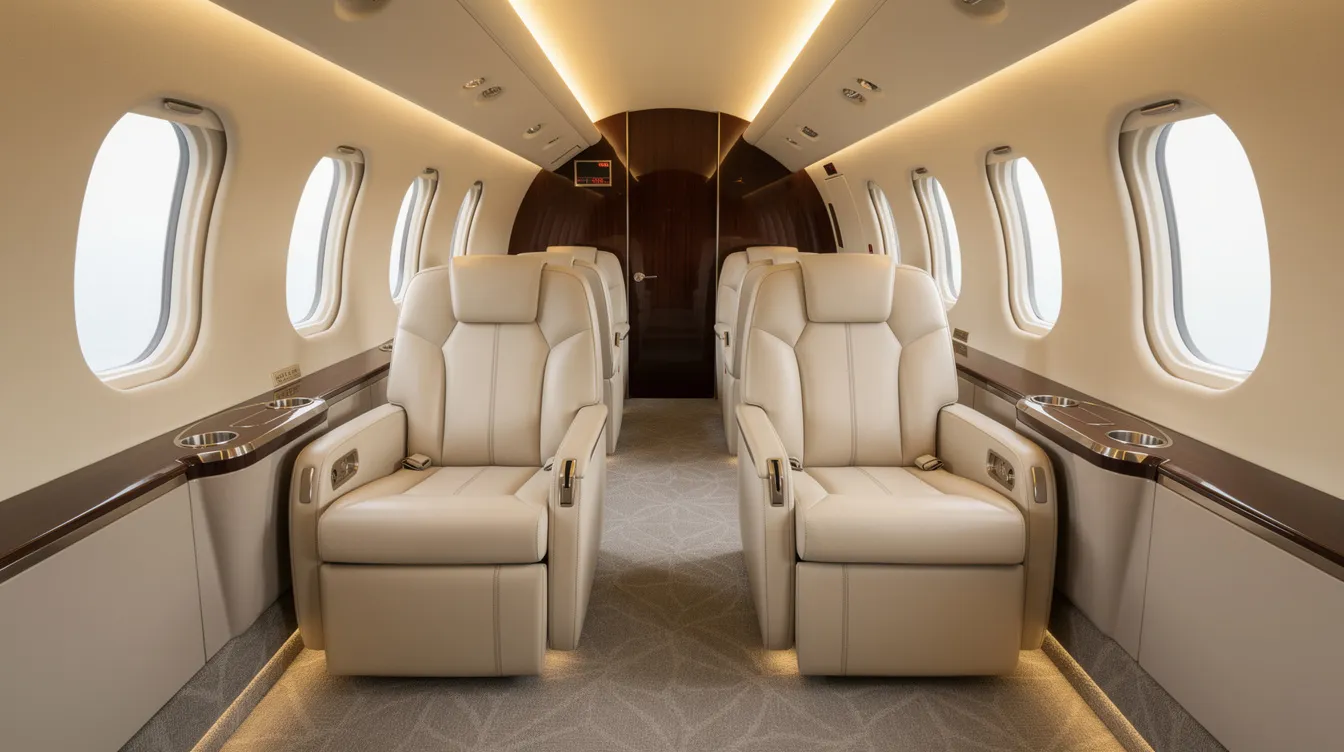
How Hoppyn's Membership Changes the Cost of Private Jet Travel
Hoppyn is a subscription-based private jet membership that gives you access to global empty leg flights for no per-flight charge. You pay a flat annual fee and fly on confirmed empty legs without additional flight costs.
Here's how it works:
Members pay a flat $997/year to access the platform
Browse available flights across light jets, midsize jets, and sometimes large or ultra-long-range aircraft
Join waitlists for flights that match your routes and dates
Fly on confirmed empty legs with no per-flight charge—no hourly rates, no fuel surcharges, no crew fees billed to you
Unlike private jet charters or jet cards where each flight hour is billed, Hoppyn's model lets members take unlimited free flights once confirmed. You're paying only the predictable membership fee plus any personal extras like ground transportation or in-flight catering.
The platform adds new flights daily, covers global routes, and provides dedicated 24/7 support. There are no hidden operating costs layered onto your trip. Learn more about Hoppyn.
Cost Comparison: Ownership vs Charter vs Hoppyn Empty Legs
Let's walk through a concrete scenario: you take 15 trips per year on routes like New York 60Miami (roughly 2.5- 63-hour flights each way).
Full Ownership
Annual fixed costs: ~$500,000–$700,000 (hangar fees, crew salaries, insurance, management)
Variable costs at ~$1,100/hr ~80–90 flight hours: ~$88,000–$99,000
Total annual spend: ~$590,000–$800,000
Effective cost per trip: ~$39,000–$53,000
Private Jet Charter
15 round trips ~5.5 hours each $4,200/hr: ~$346,500
Add taxes, fees, repositioning: ~$415,000–$450,000
Effective cost per trip: ~$27,000–$30,000
Hoppyn Membership
Annual membership: $997
Per-flight cost on confirmed empty legs: $0
Effective cost per trip: under $70 (membership divided by trips)
The catch with Hoppyn is that you need flexibility—you can't demand a specific aircraft category or departure time. But for travelers willing to adapt, the savings compared to private jet rental or ownership are enormous.
How to Use Flight Hours to Decide Your Best Option
Here's a simple framework. Start by tracking (or estimating) your annual flight hours and mission profile: flight distance, passenger count, and destinations.
Step 1: Calculate your annual private jet cost if chartering. Multiply your average hourly rate by expected flight hours, then add ~20–30% for taxes, fees, and positioning.
Step 2: Compare that total to the annual fixed costs of owning a comparable jet. If your charter total is still far below the fixed operating costs alone, ownership doesn't pencil out.
Step 3: Factor in flexibility. If a meaningful percentage of your trips are leisure, non-critical, or have flexible timing, empty-leg memberships like Hoppyn can dramatically reduce your average cost per trip.
The general rule:
Under ~75 hours/year: charter or empty-leg membership wins
75–250 hours/year: jet cards or fractional ownership may fit, or a charter/membership combo
250+ hours/year: ownership starts to compete—run the full numbers including depreciation, annual maintenance costs, and financing
The smartest approach for price-sensitive frequent flyers: use on-demand charter for must-make flights, and leverage Hoppyn's membership whenever you can be flexible.
How Many Private Jets Are Available—and Why That Matters for Empty Legs
As of mid-2026, there are thousands of private jets in active service worldwide, with hundreds of new and pre-owned aircraft changing hands every year. Every positioning flight generates a potential empty leg.
The more active private jets there are on a given region or route pair, the more often empty-leg opportunities appear. Busy corridors—New York to Florida, California to Nevada, intra-European business routes—produce the most frequent options.
Hoppyn doesn't own aircraft. Instead, it taps into this global pool of private jets and surfaces the empty-leg flights that would otherwise fly with no passengers, providing tools and resources for charter operators to connect their fleets and list these legs efficiently. It's turning an operational inefficiency into an affordable travel option for members.
Empty legs aren't guaranteed on every route or every day. But new options are added daily, and members can filter and waitlist strategic city pairs to catch high-value flights when they appear or browse discounted options via the City Hub for spontaneous one-way flights. You can request a specific flight or watch the board for opportunities.

Frequently Asked Questions
Is owning a private jet ever cheaper than chartering or using a membership?
Yes—but only for heavy users. Ownership becomes cost-effective when you consistently fly 300+ flight hours per year on similar routes, because you spread high annual fixed costs (crew, hangar, insurance) across many hours. At 400 hours on a light jet, your all-in per-hour cost can drop to around $3,500—below typical charter rates.
For most individuals and small businesses flying well under 200–250 hours annually, on-demand private jet charters or membership-based access to empty legs almost always deliver a lower total annual private jet cost. If you think you're in the ownership sweet spot, work with an aviation accountant to model total cost of ownership, including depreciation, financing, and the risk of unplanned maintenance events.
What is the cheapest way to experience flying on private jets?
The least expensive paths into private aviation are booking seats on shared charters, grabbing heavily discounted empty-leg flights, or joining an empty-leg-focused private jet membership like Hoppyn.
If you're flexible on departure dates, times, and sometimes airports, empty legs can drop your cost to levels similar to—or even below—full-fare business class on commercial airlines. Hoppyn's $997/year membership is designed specifically for travelers who want to tap into these deals without paying traditional per-flight private jet rental prices.
How does Hoppyn make money if members don't pay per flight hour?
Hoppyn operates on a subscription model. Members pay a flat annual fee that covers access to the platform, the flight board, waitlisting tools, and 24/7 support. Operators already plan to fly these empty-leg flights to position their private jets for the next charter. Hoppyn helps fill otherwise empty seats, creating value for both sides without needing to charge members a per-hour private jet charter rate.
That's why there are no hidden flight fees for members on confirmed empty legs. The membership is the core revenue driver.
Can I choose any jet category when I fly with Hoppyn?
Hoppyn doesn't let you "order" a specific private jet in the way a charter broker does. Instead, you access whatever aircraft are operating empty legs on a given day—that could be a light jet, a midsize jet, or sometimes a large cabin jet or ultra-long-range aircraft.
Flight listings clearly show jet category, approximate passenger capacity, and route, so you can select and waitlist the flights that best match your needs. This model trades absolute schedule and aircraft control for significant cost savings compared to traditional private jet rental and charter options.
What if I need a guaranteed schedule that empty legs can't provide?
If you have critical, time-sensitive trips—board meetings, medical commitments, client presentations—the safest option is still to charter a private jet directly on your preferred schedule.
The smart play is a hybrid approach: use on-demand private jet charters for "must-make" flights, and rely on Hoppyn's membership and empty leg flights for flexible trips, weekend getaways, or non-critical positioning segments. This combination can bring down your overall annual private jet cost while preserving control for the most important travel dates.
Ready to stop overpaying for private jet travel? Whether you fly 10 times a year or 50, Hoppyn's empty-leg membership puts premium aircraft within reach for a flat $997/year—no hourly rates, no hidden fees, no ownership headaches. Join Hoppyn today and start browsing available flights.
Private Jet Cost Summary Table
Jet Category | Purchase Price Range (New) | Hourly Charter Rate (2026) | Typical Annual Fixed Costs | Variable Operating Cost per Hour | Ownership Break-Even Hours |
|---|---|---|---|---|---|
Very Light Jets | $2M–$5M | $2,300–$3,500 | $500K–$700K | $1,000–$1,500 | 200+ |
Light Jets | $3.5M–$9M | $3,750–$4,600 | $700K–$900K | $1,000–$1,100 | 200+ |
Midsize Jets | $5M–$16M | $4,700–$7,500 | $900K–$1.5M | $2,500–$4,000 | 200–250 |
Super Midsize Jets | $16M–$30M | $5,000–$8,000 (est.) | $1.2M–$1.8M | $3,000–$4,500 | 250+ |
Large Cabin Jets | $25M–$62M | $8,500–$17,000 | $1.5M–$2.5M | $4,000–$5,000+ | 300+ |
Ultra Long Range Jets | $65M–$100M+ | $15,000–$23,000 | $2M+ | $5,000+ | 300+ |
Conclusion: Choosing the Right Private Jet Access for You
Understanding the true cost of private planes is key to making smart travel decisions. Full private jet ownership offers unmatched control and convenience but comes with hefty upfront and ongoing expenses best suited for those flying 200+ hours annually. Traditional private jet charter provides flexibility without ownership commitments but can be costly per flight hour.
Empty leg flights, accessed through memberships like Hoppyn’s $997/year subscription, offer a game-changing alternative by unlocking up to 75% savings on private jet travel. While they require flexibility on dates and routes, empty legs deliver affordable access to premium aircraft worldwide without hourly charges or hidden fees.
Ultimately, your best choice depends on your flight frequency, schedule flexibility, and budget. For most travelers, combining on-demand charter for critical trips with empty-leg memberships for flexible travel maximizes savings and convenience. Ready to experience private jet travel on your terms? Join Hoppyn today and start browsing empty-leg flights worldwide.
Learn more about how empty-leg flights work and check out our FAQs for answers to common questions.




Unlock Your Private
Jet Experience
Join our exclusive membership for
free flights today!

Explore More
Blogs


Join Our Exclusive
Newsletter
.png)






