
How Much Is a Small Private Jet? (And Smarter Ways to Fly One)


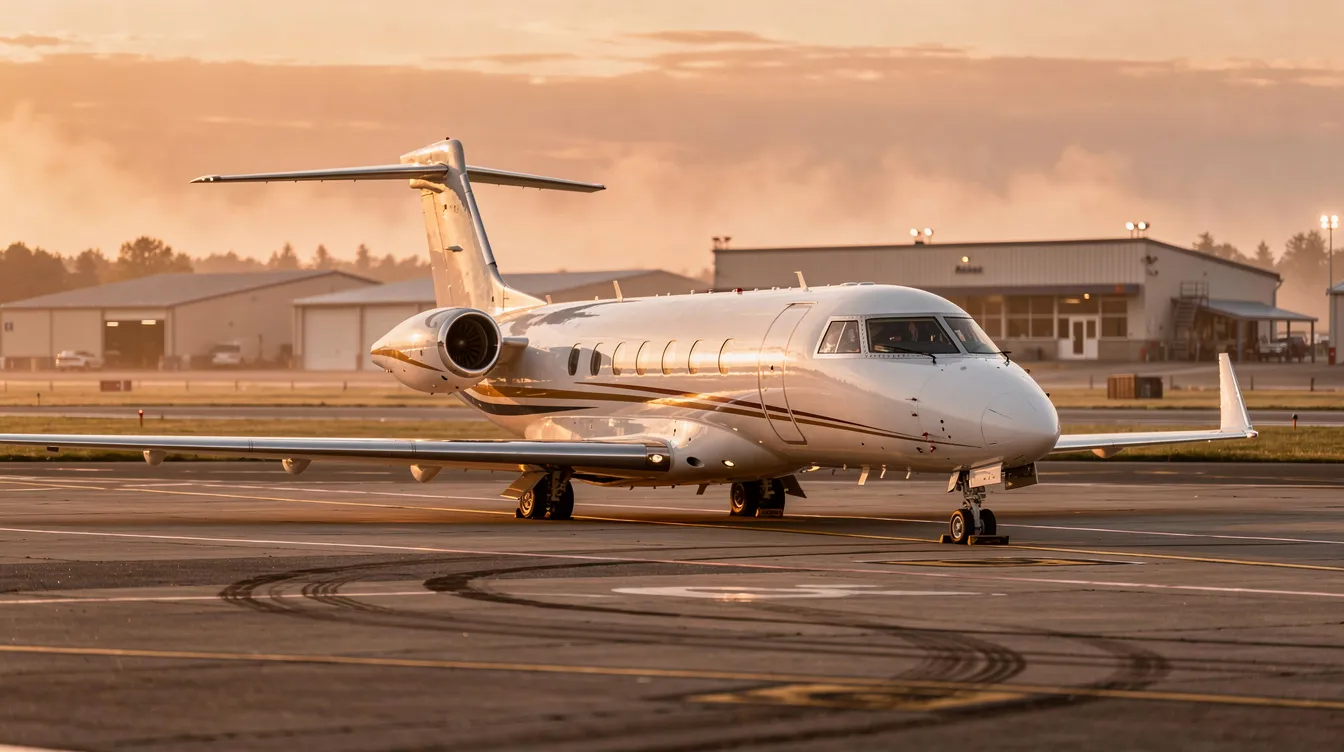
Think you need tens of millions to fly private? Not even close. The real cost of a small private jet might surprise you — and owning one is only one of several ways to get in the air. Here's the straight talk on what small jets actually cost in 2026, who should buy one, and who's better off skipping ownership entirely.
Key Takeaways
Most practical small private jets — very light jets and light jets — cost about $2–9 million to buy new, plus $500,000+ per year to operate. The typical purchase price for a small private jet can range from $1 million to over $10 million depending on model, age, and configuration.
Used very light jets can be found from around $1–3 million, but maintenance, avionics upgrades, and deferred support costs can shift the real cost significantly higher.
Hourly operating costs on small private jets typically range from about $800–$3,000 per flight hour depending on model, aircraft age, and whether you're an owner-operator or chartering.
Owning a small jet only makes economic sense above roughly 200 annual flight hours. Below that, on-demand charter, fractional ownership, or empty leg membership is usually smarter.
With Hoppyn's $997/year membership, you can access private jet empty leg flights globally without paying per-flight charter rates — making "flying small private jets" accessible without owning one.
What Counts as a "Small Private Jet" (Quick Definition)
Before we dig into private jet pricing, let's get clear on what "small" actually means in private aviation. The term covers two distinct aircraft categories, and understanding them will save you from comparing apples to oranges when you start shopping.
A small private jet typically seats between 4 and 8 passengers. The two main subcategories are:
Very light jets (VLJs): 4–6 passengers, range of roughly 1,000–1,400 nautical miles, cruise speeds around 300–400 knots. Often certified for single-pilot operation. Think regional hops and short cross-country flights.
Light jets: 6–8 passengers (sometimes up to 9), range of 1,500–2,000+ nautical miles, more cabin space, more complex avionics, typically requiring a full flight crew of two.
For context, the broader jet category spectrum looks like this:
Very Light Jets
Light Jets
Midsize jets ($5 million to $30 million new)
Super midsize jets
Large jets ($25 million to $100 million new)
Ultra long range jets
This article focuses squarely on VLJs and light jets. If you're asking "how much is a small private jet?", you're almost certainly looking at these first two categories - not a large cabin jet or ultra long range aircraft built for long haul flights across oceans. Charter operators managing these fleets can tap into resources for charter operators to connect their aircraft and list empty legs on Hoppyn.
In the sections ahead, we'll compare full ownership, private jet charter, fractional ownership, and empty leg memberships so you can see exactly where you fit.
How Much Is a Small Private Jet to Buy in 2026?
Here's the direct answer. In 2025–2026:
Very light jets (new): ~$2–5 million. Some models like the HondaJet Elite II push toward $6–7 million. New very light jets (VLJs) typically cost between $2 million and $7 million.
Very light jets (pre-owned): ~$1–3 million for well-maintained units 5–10 years old. Pre-owned jets typically cost 20–50% less than new models.
Light jets (new): ~$3.5–9 million, with the latest avionics and engine packages.
Light jets (used): ~$2–6 million, depending on total flight hours, maintenance status, and avionics.
Private jet ownership costs range from $2 million to $100 million when you look at the full spectrum from VLJs to ultra-long-range jets. But for the small-jet buyer, several million dollars is the realistic starting point.
The critical thing to understand: the purchase price is only the beginning. Owning a private jet often entails high upfront capital and ongoing financial commitment. Operating costs, financing, and depreciation can easily double the total ownership cost over the first few years. Aircraft age and total flight hours significantly influence the purchase price of a jet, and market demand significantly influences private jet pricing across the board.
New aircraft generally command a premium due to warranties and low initial maintenance risk. New jets are also preferred for corporate ESG compliance due to lower emissions and improved fuel efficiency.
Very Light Jets: Entry-Level Small Private Jets
Very light jets are where most first-time buyers and private jet owners start looking. These are compact, 4–6 seat aircraft designed for regional trips - think 2–3 hour flights between cities, accessing smaller airports that scheduled airlines don't serve.
In 2026, expect to pay:
New VLJs: $2–5 million (very light jets cost between $2 million and $5 million new for most common models)
Pre-owned VLJs: $1–3 million depending on year, avionics, and flight hours
Operating costs are lower than larger aircraft. Variable cost per flight hour for owner-operated VLJs typically runs ~$800–$1,500, thanks to lighter airframes, simpler systems, and often single-pilot operation.
Pros:
Can access smaller airports with shorter runways
Lower fuel burn and improved fuel efficiency vs. larger aircraft
Good for short hops under 1,200 nm
Lower crew salaries (single-pilot capable on some models)
Cons:
Limited baggage and cabin space (no stand-up cabins on most)
Shorter range rules out long-haul flights
Passenger count capped at 4–6
For many first-time buyers asking "how much is the cheapest private jet I can reasonably fly?", VLJs are the realistic starting point — not a novelty experimental aircraft.
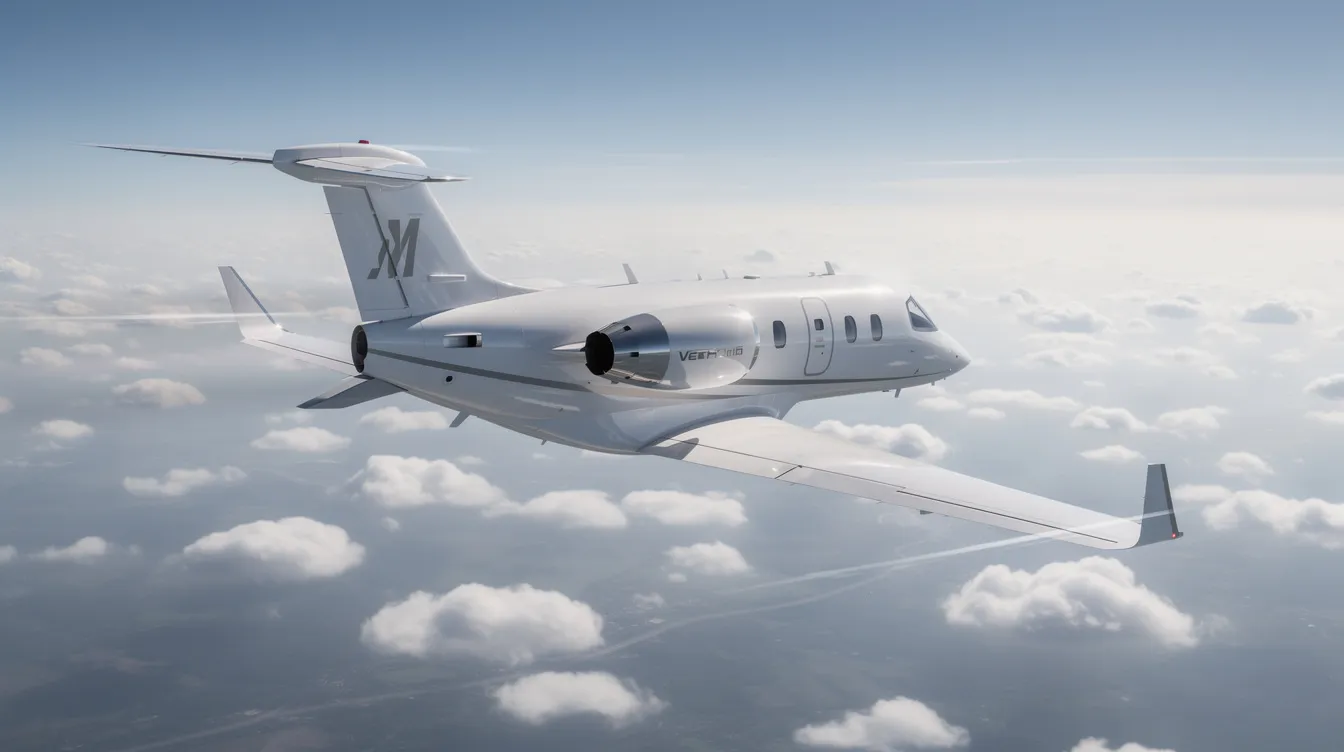
Example Small Jet #1: Cirrus Vision Jet SF50
The Cirrus Vision Jet is arguably the most talked-about entry point into private jet ownership, and for good reason. It's a practical, real-world "smallest private jet" - not a toy.
2025–2026 pricing:
New Cirrus Vision Jet G2+: approximately $3.2–$3.6 million
Late-model pre-owned (2017–2020): approximately $2.1–$2.8 million
Core specs: Single engine, range of roughly 1,200 nm, seats 5 adults plus 2 small children, cruise speed around 300 knots. It's designed for regional missions - weekend trips, business day-trips, and short cross-country hops.
Operating costs: Approximate per-flight-hour cost runs ~$800–$1,000 when self-flown. At 200 annual flight hours, budget around $160,000–$200,000 in variable costs alone, before fixed costs.
The Vision Jet's standout feature is its whole-airframe parachute system (CAPS) and advanced avionics. For many owner-operators, it's the most affordable "practical" private plane in production.
Example Small Jet #2: HondaJet Elite II & Other Budget VLJs
The HondaJet Elite II sits at the upper end of the VLJ market but delivers more range, speed, and a spacious cabin compared to entry-level models.
2026 pricing:
New HondaJet Elite II: approximately $6–7 million
Pre-owned earlier HondaJet models: approximately $3.2–$5.8 million
Variable operating costs for the HondaJet Elite II run approximately $1,547–$1,880 per flight hour, covering fuel, maintenance, engine reserves, and miscellaneous expenses.
If you're looking for lower original aircraft price points, consider these pre-owned options:
Eclipse 500: Used units from ~$1–1.5 million. Compact, fuel-efficient, but parts availability can be a concern.
Embraer Phenom 100: Pre-owned around $1.5–2.5 million. Solid support network and a spacious cabin for its class.
Cessna Citation Mustang: Used around $1.5–2.5 million. Well-known, widely supported, popular among private jet owners.
The trade-off with older jets is clear: lower purchase price often means higher long-term maintenance costs, potential avionics upgrades, and parts sourcing challenges. Good maintenance history can significantly influence a jet's resale value, so always check records before buying pre-owned jets.
Light Jets: The Next Step Up in Small Private Jets
Light jets are the workhorse of private aviation for business jets carrying 6–8 passengers over 1,500–2,000 miles. That's U.S. coast-to-coast with one quick fuel stop, or nonstop across most of Europe.
Price bands in 2026:
New light jets: ~$3.5–9 million
5–10-year-old models: commonly $2–5 million, depending on avionics and maintenance programs
Operating costs per flight hour for light jets typically run $1,500–$3,000, scaling with fuel prices, engine complexity, and whether the aircraft flies under a maintenance program (JSSI, MSP, etc.). For comparison, annual maintenance costs for midsize jets range from $1.25 million to $1.5 million - light jets are considerably less, but still substantial.
Larger light jets are extremely common in private jet rental fleets because they balance capacity, range, and per-flight-hour cost well.
Pros:
Enough cabin space for 6–8 passengers with luggage
Range covers most domestic and intra-continental routes
Wider availability for charter access and matching aircraft to missions
Many feature stand-up cabins and improved comfort
Cons:
Higher fuel burn and crew requirements than VLJs
Purchase and operating costs jump significantly vs. VLJs
Most require two-pilot flight crew, increasing crew salaries
Example Small Jet #3: Cessna Citation CJ3+ and Phenom 300E
These two popular light jets illustrate what modern, capable small private jets cost and deliver.
Cessna Citation CJ3+:
New price (2025–2026): ~$8–9 million
Typical pre-owned (5–8 years old): ~$6–7 million
7–8 passengers, range ~2,000 nm
Known for reliability, wide support network, and access to smaller airports
Embraer Phenom 300E:
New price: ~$9–10+ million
Used (2018–2023 models): roughly $6–8 million
Seats up to 9–10 passengers, range ~2,000–2,200 nm
One of the most popular light jets in the world for charter and private ownership
Per-flight-hour operating costs on these jets land in the $1,800–$2,400 range for direct variable costs. Charter operators favour them because they offer an excellent balance of comfort, range, and economics.
Worth noting: while these jets are fantastic, ownership at these price points isn't necessary to fly in them. Charter and empty leg opportunities put you in the same aircraft without the multi-million-dollar commitment. You can even pick the best seat on a private plane without owning the entire aircraft.

How Much Does It Cost per Flight Hour to Run a Small Private Jet?
"Per flight hour" means the cost incurred for each hour the aircraft flies — airborne time plus taxi and any operator minimums. It's the number that matters most for budgeting real trips.
Ballpark variable operating costs per flight hour:
Very light jets: ~$800–$1,500
Light jets: ~$1,500–$3,000
Variable operating costs can add significant expense, averaging $1,000 to $3,500 per flight hour across all small jet types
In extreme cases — older jets, high fuel prices, deferred maintenance — variable costs can reach $5,000 per flight hour
What makes up that hourly number:
Fuel: Typically 40–55% of direct cost. Fuel prices in 2026 run $6–7.50/gallon for Jet-A in the U.S.
Engine reserves/overhaul programs: Set-aside funds for future engine work
Routine maintenance and inspections
Landing fees and navigation charges
Crew flight pay (separate from crew salaries)
When you see private jet rental quotes of $2,300–$4,600 per hour for small jets, operators are passing through these operating costs plus their margin and overhead.
VIP airliners cost between $18,000 and $23,000 per hour — a completely different world from small jets, but useful context for understanding the full spectrum.
Concrete trip examples:
A 2-hour regional hop on a VLJ at ~$3,000/hr charter rate: ~$6,000 base, plus ~30% for fees and taxes, totalling around $7,800–$8,500.
A 5-hour cross-country flight on a light jet at ~$3,500/hr: ~$17,500 base, plus surcharges, potentially $21,000–$23,000 all-in.
Additional costs to watch: a 7.5% US Federal Excise Tax applies to domestic flights, domestic segment fees are $5.30 per passenger per leg, and crew overnight fees range from $200 to $600 per crew member when the trip requires an overnight stay.
Annual Operating Costs: Owning a Small Private Jet Outright
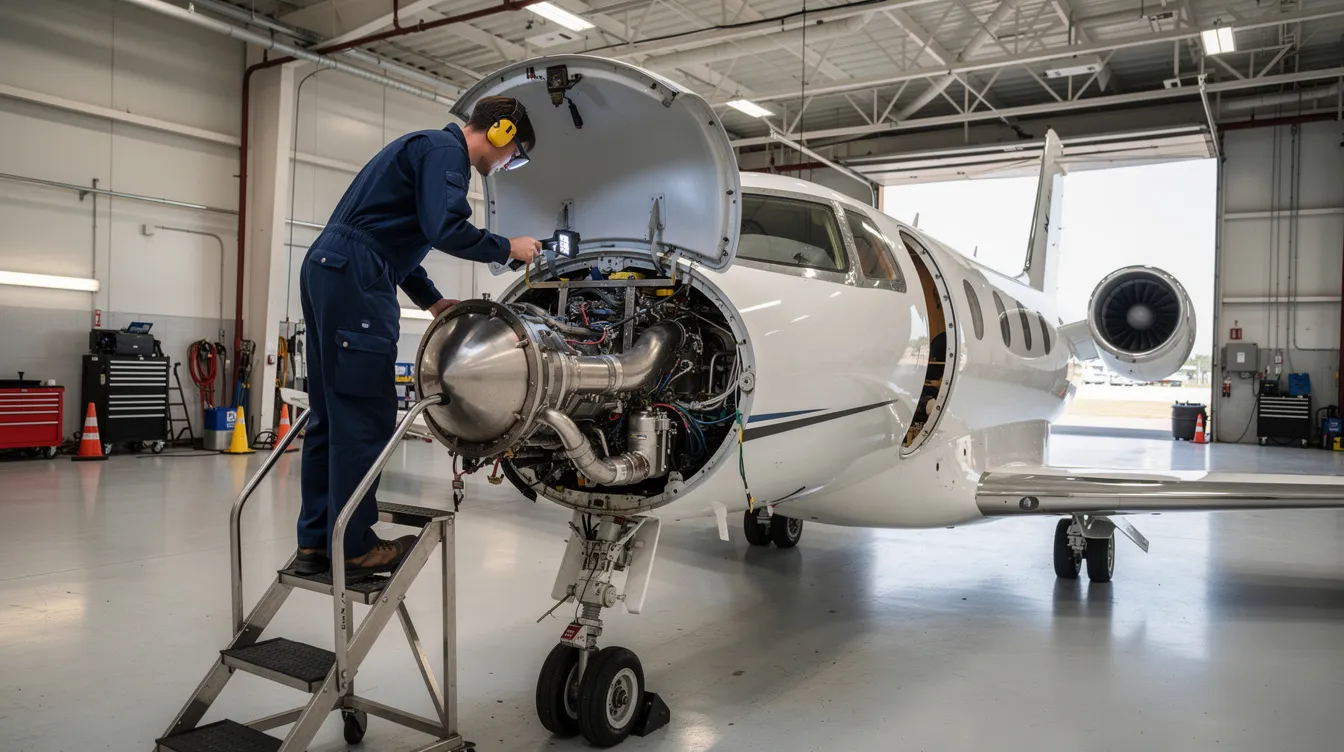
Beyond the purchase price, expect hundreds of thousands of dollars per year just to keep a small private jet ready to fly. Small private jets often incur additional costs for maintenance, insurance, and pilot salaries that add up fast.
Annual operating costs for small jets typically range from $500,000 to $1.2 million. For some configurations and usage patterns, annual ongoing costs range from $500,000 to $2 million.
Fixed costs (costs you pay whether the aircraft flies or not):
Hangar fees: $30,000 to $100,000 annually, depending on hangar space and airport location
Private jet insurance: $20,000–$100,000+
Crew salaries: $200,000 to $500,000+ per year (higher for two-pilot light jets)
Training, recurrent certification
Management fees (if using a management company)
Annual fixed costs for owning a small jet typically cover hangar storage and pilot salaries as the largest line items, often totalling $300,000–$700,000+
Variable costs (per flight hour × annual flight hours):
At 200 flight hours and ~$1,000–$2,000/hr variable cost, you're adding $200,000–$400,000 to the annual budget
Annual maintenance costs, inspections, and engine reserves are folded in here
All-in, the total ownership cost for a small private jet often lands between $500,000 and $1 million+ per year depending on jet category, aircraft age, and how frequently the aircraft flies. Flying fewer hours doesn't save as much as you'd think - fixed costs dominate at low utilization.
Ownership vs Charter vs Fractional Ownership vs Membership
You now know what a small jet costs. Here's how the four main access models compare.
Owning a private jet outright: Best for 200–300+ annual flight hours on consistent routes. You get total control over scheduling, the same aircraft every trip, and can customise to your preferences. The downside: high upfront capital, ongoing financial commitment, and depreciation risk. Leasing a small private jet typically requires monthly payments of $80,000 to $160,000, which avoids some upfront costs but still involves high fixed costs. Leasing a jet avoids high upfront costs and depreciation risks compared to buying outright.
On-demand charter (private jet rental): Pay per trip. Chartering a private jet costs $2,300 to $17,000 per hour depending on the aircraft category, with larger jets costing more. Best for occasional flyers who need flexibility on aircraft type and don't want fixed costs.
Fractional ownership: Fractional ownership allows sharing costs with 1/16th to 50% shares of an aircraft. You buy a share, pay monthly management fees, and get guaranteed flight hours per year. It reduces upfront capital vs buying outright, but per-flight-hour costs can actually be higher than charter for some profiles.
Membership programs (like Hoppyn): Membership programs offer subscription-based access to private jets. Lowest commitment, lowest cost. You trade some schedule flexibility for dramatically lower access costs. Jet cards provide fixed hourly rates in exchange for an upfront deposit and are suited for irregular flyers - a hybrid between charter and membership.
How Many Flight Hours Justify Owning a Small Private Jet?
This is the break-even question every potential buyer should answer before writing a check for several million dollars.
Industry benchmarks are clear: full ownership of very light and light jets usually only makes sense above ~200–250 annual flight hours. Below that, fixed costs per hour skyrocket and make charter or membership far more cost-effective.
Simple comparison at 100 flight hours/year:
Owning a $3 million VLJ: ~$300K–$500K in annual fixed costs + ~$100K–$150K variable = ~$400K–$650K/year → $4,000–$6,500 per hour effectively
Chartering those 100 hours at ~$3,500/hr all-in: ~$350,000/year → $3,500 per hour
Hoppyn membership for empty leg flights: $997/year + $0 per confirmed flight → cost depends on availability, but is dramatically lower
For many entrepreneurs, consultants, and families flying only a few dozen trips per year, empty leg memberships or ad-hoc charter consistently beat the economics of ownership and even fractional ownership. Frequent flyers who aren't flying frequently enough to justify ownership should look hard at the numbers before committing.
Hidden Costs When You Buy a Small Private Jet
The sticker purchase price is only part of the financial picture. Here's what catches buyers off guard.
Common "surprise" costs:
Major inspections: 3,600-hour or calendar-based inspections can cost hundreds of thousands of dollars
Engine overhauls: Even with programs like JSSI or MSP, unplanned maintenance events can hit hard
Mandatory avionics upgrades: Requirements evolve (ADS-B, WAAS, LPV). Upgrading older jets runs into big bills. Upgraded avionics and customisations can significantly increase a jet's value, but they're expensive to install.
Interior refurbishments: Leather, carpeting, safety equipment - all degrade and require periodic refresh
Unplanned maintenance events: The costs that no budget ever seems to fully anticipate
For older budget jets - those cheaper pre owned jets under $2 million - deferred maintenance or out-of-date avionics can add hundreds of thousands shortly after purchase.
Depreciation is real: small private jets can lose 20–30% of value over the first 5 years. Depreciation significantly affects aircraft valuation depending on new or pre-owned status. Market dynamics, including demand and supply chains, heavily influence resale values of pre-owned jets, so what you pay today may not be what you recover later.
Any buyer should budget a significant reserve beyond the purchase price and always commission a thorough pre-purchase inspection.
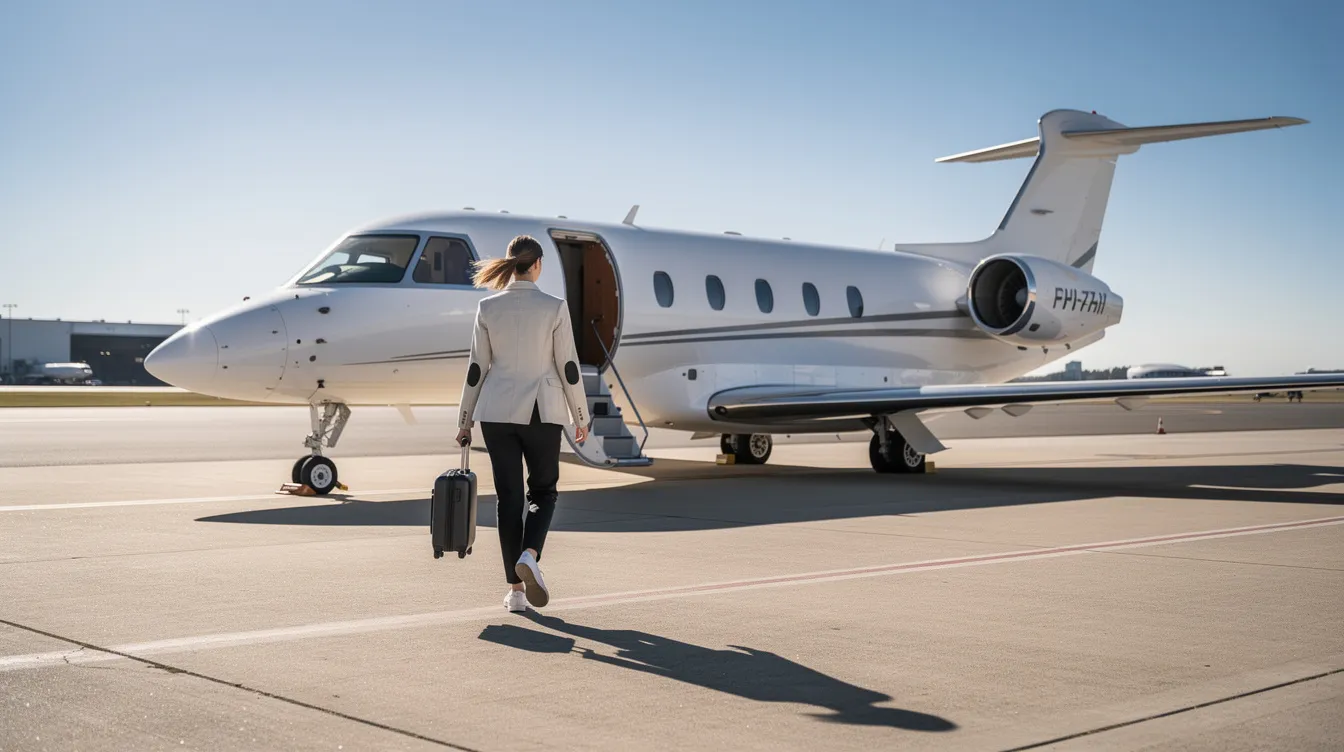
How Much Is a Small Private Jet to Rent Instead of Buy?
Private jet rental costs range from $2,300 to $23,000 per hour across all jet categories. For small jets specifically, expect:
VLJs: ~$2,300–$4,800 per flight hour
Light jets: ~$3,500–$6,000+ per flight hour
Aircraft category affects rental costs, with larger aircraft costing more. Aircraft age can increase rental rates by $100 to $1,000 per hour — newer jets command a premium.
What's typically included: The aircraft, flight crew, fuel (plus surcharges), and basic insurance. What's not included: government taxes add 7.5% to US domestic flight costs, de-icing fees, crew overnight stays, and positioning.
Trip examples:
Short regional hop (1.5 hours, VLJ): ~$4,500 base + ~$1,500 in fees/taxes = ~$6,000 total
2,000-mile trip (4 hours, light jet): ~$16,000 base + ~$5,000 in fees/positioning = ~$21,000 total
Positioning flights - getting the aircraft to your departure airport - and minimum daily flight hours can raise the effective cost of short trips by 30–40%. Private jet rental costs range from $2,300 to $17,000 per hour across the full spectrum from VLJs to heavy jet categories.
This is exactly why many savvy flyers watch for empty leg deals or use membership platforms or discounted empty leg city hub flights instead of paying full charter rates every time.
Empty Leg Flights: Flying on Small Private Jets for Less
An empty leg flight is a repositioning flight that would otherwise operate with no passengers. These flights occur when jets return empty after a charter — the operator has already been paid for the outbound leg, so the return trip represents pure cost. Empty leg flights offer savings of up to 75% compared to standard charter prices.
That's a massive discount. On a route where full charter might cost $15,000, an empty leg could run $4,000–$7,500 - or nothing at all through membership platforms.
The constraints are real:
Flexibility on dates is often required for empty leg flights
Routes and departure times are fixed by the operator's schedule
Availability is dynamic and changes daily as operators schedule their aircraft
The good news: many empty legs involve very light jets and light jets repositioning between high-demand city pairs (New York–Miami, LA–Vegas, London–Geneva, etc.). This makes them especially attractive for small-group travellers and international flights on popular corridors.
Empty leg flights are available globally through membership services, and members can browse and join waitlists for empty leg flights on private jets as they're posted. This brings us to a structured way to access these opportunities.
How Hoppyn Membership Changes the Math on Small Private Jets
Here's where the economics shift dramatically.
Hoppyn charges a flat annual membership fee of $997/year. That's it. No per-flight costs for confirmed leg flights, no hidden fees, no hourly charter rates. Compare that to private jet charter rates of $2,300–$17,000 per hour, or annual ownership costs of $500,000+.
Here's how it works: members browse a global board of empty leg flights on private jets - including very light jets, light jets, midsize private jet options, and occasionally larger aircraft. You join a waitlist, and once confirmed, you fly. New flights are added daily.
Key benefits for cost-conscious travellers:
No hourly charter rates
No ownership fixed costs, no hangar fees, no private jet insurance to manage
No hidden fees
Unlimited free flights once confirmed, subject to availability and membership terms
24/7 dedicated member support
The trade-off is straightforward: you trade some schedule control and route flexibility for dramatically lower access costs to private jets. You're leveraging flights that would otherwise fly empty — the aircraft flies regardless, so you're not adding cost to the system.
You can browse available flights before joining to see what's on the board right now.
Who Should Buy a Small Private Jet vs Use Membership or Charter?
Heavy users (200–300+ hours/year, consistent routes): If you're flying the same aircraft on predictable routes week after week, owning a very light or light jet can make financial sense. Watch your operating costs carefully, secure hangar space at your home airport, and budget for long-term maintenance costs and crew. This profile represents a small minority of people asking about private jet costs.
Frequent but flexible travellers (entrepreneurs, consultants, remote-work families): This is the sweet spot for charter combined with empty leg membership. You fly often enough to benefit from access, but not so rigidly that you need the same aircraft at the same time every week. A platform like Hoppyn gives you private aviation access without tying up capital. You can even request specific flights for routes you travel regularly.
Occasional private flyers: If you fly private a handful of times per year, paying full charter rates or joining a low-commitment membership is smarter than tying up capital in an aircraft or fractional ownership. Flying fewer than 50–100 hours annually means fixed costs will crush your per-hour economics on any owned or leased private aircraft.
Before making any multi-million-dollar decision: honestly log your past 12–24 months of travel — cities, number of trips, passengers, flexibility tolerance. The data will tell you which path makes sense.
Frequently Asked Questions
What is the absolute cheapest small private jet I can buy?
While experimental or novelty jets exist under $100,000, they are not practical or safe options for everyday private jet travel. The lowest realistic entry point for a practical very light jet is usually a used Eclipse 500, Phenom 100, or Citation Mustang in the ~$1–2 million range as of 2025–2026. However, buyers must factor in any required avionics upgrades, interior refresh, and upcoming maintenance events. These can add several hundred thousand dollars to the effective purchase price, making the cheapest private jet not nearly as cheap as the sticker suggests.
Can small private jets cross the Atlantic?
Most very light jets and many light jets cannot cross the Atlantic nonstop due to limited range and redundancy requirements. Some larger light jets and midsize jets can make transatlantic flights with fuel stops or via specific northern routing, but this moves beyond the "small jet" segment most buyers consider. If regular transatlantic flying is a requirement, midsize, large, or ultra long range jets - or commercial first and business class on scheduled airlines - are more appropriate options.
How many private jets do most individuals or small companies actually need?
The vast majority of private owners operate a single primary private aircraft and supplement with charter when their needs don't fit that jet category or when the aircraft is in maintenance. Large corporations may keep 2–5 business jets across different aircraft categories, but this is rare and driven by complex global travel needs. New buyers should start with one carefully chosen aircraft or, more conservatively, start with charter and memberships like Hoppyn before committing to any fleet strategy.
Is fractional ownership of a small private jet cheaper than full ownership?
Fractional ownership means buying a share - for example, 1/16th or 1/8th - of an aircraft, with guaranteed flight hours each year in exchange for an upfront share cost, monthly management fees, and per flight hour charges. It often reduces upfront capital vs buying a private jet outright, but per-flight-hour costs can actually be higher than on-demand charter for some profiles. Compare long-term fractional contracts against flexible alternatives like charter plus empty leg membership before signing multi-year commitments.
If I just want to experience flying on a small private jet, what's my lowest-cost option?
Booking a seat on an empty leg flight is often the most affordable way to fly on a small private jet without paying full charter rates for the entire aircraft. Hoppyn's model lets you pay a flat annual fee for access to global empty leg flights, so once you're a member, you don't pay per-flight cost when you're confirmed on an available leg. If you're curious but not ready for ownership, join Hoppyn, watch the empty leg board, and plan flexible trips around available small private jets. It's the most cost-effective way to start flying private.
Conclusion: Making Smart Choices About Small Private Jets
Flying private on a small jet doesn’t have to mean breaking the bank or committing to costly ownership. Whether you’re considering buying a very light or light jet, chartering on demand, or joining an empty leg membership like Hoppyn, the key is matching your travel needs and budget to the right access model.
Ownership makes sense if you fly frequently—around 200 hours or more annually—and want full control and customization. But for most travelers, charter and empty leg memberships offer tremendous flexibility and savings without the upfront capital or ongoing fixed costs.
Hoppyn’s flat $997/year membership changes the game by unlocking access to thousands of empty leg flights worldwide, letting you fly private jets for a fraction of traditional charter or ownership costs. You get transparent pricing, no hidden fees, and the freedom to browse and book flights daily.
Think private jets cost millions per trip? Think again. With smart planning and the right approach, flying small private jets is accessible, affordable, and enjoyable. Ready to experience private aviation on your terms? Join Hoppyn today and start flying smarter.




Unlock Your Private
Jet Experience
Join our exclusive membership for
free flights today!

Explore More
Blogs


Join Our Exclusive
Newsletter
.png)






