
How Much Is a Private Jet? Full Cost Breakdown, From Charter to Ownership


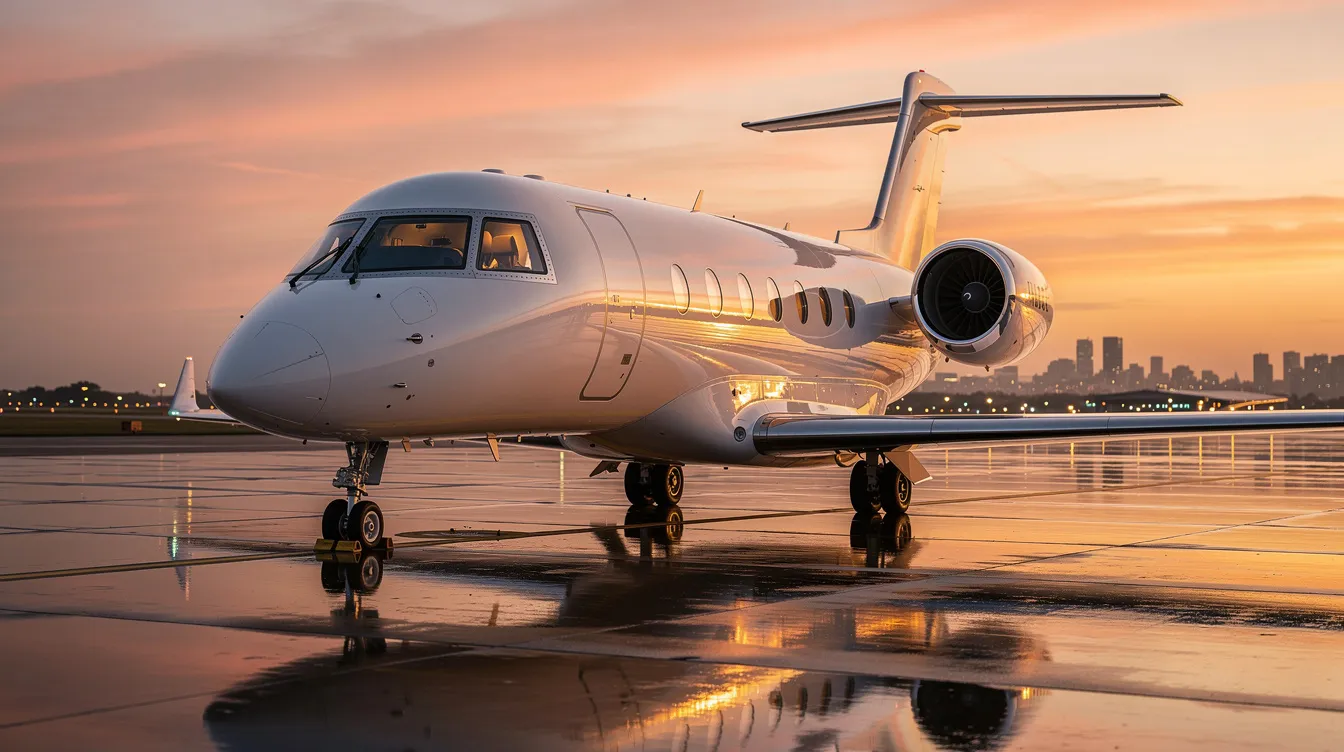
Think private jet travel is only for billionaires? The real answer depends entirely on how you choose to fly. Whether you're pricing out a purchase, comparing charter quotes, or looking for a smarter way in through empty leg flights, this guide breaks down every cost you need to know — with real 2026 numbers, no fluff.
Key Takeaways
Before you dive into the full breakdown, here are the numbers that matter most:
Chartering a private jet typically costs from $1,200 to over $20,000 per hour in 2026, depending on aircraft category. Private jet rental costs range from $2,300 to $23,000 per hour when you factor in all jet types from turboprops to VIP airliners.
Private jet ownership costs range from $2 million to $100 million for the aircraft itself, with annual operating costs running $500,000 to over $3 million depending on aircraft size and usage.
"Flying private" breaks into three distinct cost models: buying a private jet outright, chartering a private jet on demand, or accessing empty leg flights through a membership like Hoppyn — where you pay a flat $997/year with no per-flight cost on confirmed legs.
Empty leg flights can save up to 75% off standard charter rates, and with Hoppyn, the incremental flight cost drops to zero after your annual fee.
Jet size (very light jets through ultra-long-range jets) and annual flight hours are the two biggest cost drivers across every model — purchase, charter, or membership.
The sections below compare owning, chartering, and membership models with concrete scenarios on routes like New York–Miami and New York–London so you can see what actually fits your budget.
How Much Is a Private Jet, Really? (Quick Answer)
Here's the direct answer to "how much is for a private jet" in plain numbers: new private jets cost roughly $2M to $100M+ to buy. Chartering ranges from about $2,300 to $23,000 per flight hour in 2026. And Hoppyn-style empty leg access runs $997/year for unlimited confirmed flights with no flight-hour charges.
A quick breakdown by category:
Very light jets: ~$2M–$5M new
Light jets: ~$3.5M–$9M new
Midsize jets: ~$5M–$30M new
Large and ultra long range jets: ~$25M–$100M+ new
Pre-owned jets are often 20–50% cheaper but still run several million dollars
Total annual ownership costs are roughly 10% to 20% of the purchase price. That means owning a jet also carries annual operating costs from about $500,000/year for a small light jet to well over $2 million/year for large and ultra-long-range aircraft - driven by hangar fees, crew salaries, maintenance, and fuel prices.
If you fly under ~200 flight hours per year, chartering or using a private jet membership is usually more cost-effective than full ownership. The rest of this article unpacks these numbers by jet category, use case, and route examples.
Private Jets by Category: How Size Drives Cost
Most private jet pricing discussions start with aircraft category. Each category affects purchase price, hourly charter rates, and operating costs in predictable ways. Here's a concise breakdown:
Very light jets (VLJs): 4–5 seats, ~1,000–1,200 nm range. New ~$2M–$5M; pre-owned ~$1.3M–$2.5M. Models: Cirrus Vision Jet SF50, Eclipse 500.
Light jets: 5–8 seats, ~1,500–2,000 nm range. New ~$3.5M–$9M; pre-owned ~$3M–$7M. Models: Cessna Citation CJ3+, Embraer Phenom 300E, Cessna Citation Mustang.
Midsize and super midsize jets: 7–10 seats, ~2,500–3,500 nm range, often with full stand-up cabins. New ~$5M–$30M; pre-owned ~$4M–$20M. Models: Citation XLS+, Embraer Praetor 600, Bombardier Challenger 300.
Large cabin jets / large jets: 10–16 seats, ~4,000–6,000 nm range. New ~$25M–$60M. Models: Gulfstream G550, Bombardier Global 6000.
Ultra-long-range jets: 10–19 seats, ~6,000–7,500+ nm range, stand-up cabins with full sleeping accommodations. New ~$60M–$100M+. Models: Gulfstream G650/G700, Bombardier Global 7500.
Charter prices per flight hour rise with jet category. Very light and light jets sit at the low end; ultra-long-range and VIP airliners cost the most per hour, especially for frequent flyers who prioritize long nonstop missions. The same aircraft category also determines cabin space, passenger count capacity, and whether you can access smaller airports with shorter runways.
Purchase Price: How Much Does It Cost to Buy a Private Jet Outright?
Buying a private jet outright is a multi-million-dollar decision. Even the most affordable business jets cost more than most homes, and the top end rivals commercial real estate.
Here are realistic 2026 purchase price bands:
Very light jets: ~$2M–$5M new (pre-owned from ~$1.3M)
Light jets: ~$3.5M–$9M new (e.g., Citation CJ3+ around $9M–$10M)
Midsize jets: ~$5M–$30M new (e.g., Embraer Praetor 600 around $24.5M)
Large cabin and ultra long range jets: ~$25M–$100M+ new (e.g., Gulfstream G700 around $75M+)
Pre-owned aircraft are typically 20–50% less than new, depending on aircraft age, hours, and condition. A well-maintained, 8-year-old super light jet or midsize jet can save buyers several million dollars versus new delivery.
Beyond the headline purchase price, buyers face additional acquisition costs: pre-purchase inspections ($30,000–$150,000 for larger aircraft), legal and escrow fees, import duties or sales tax, and delivery premiums. Customization and avionics upgrades on the large and ultra long range segment can add millions more — especially when manufacturer delivery backlogs stretch two to three years, as they do for Gulfstream and Bombardier in 2026.
Operating Costs: What It Really Costs to Own a Private Jet Each Year
The purchase price is only half the story. Average annual operating costs can range from $500,000 to over $3 million depending on aircraft size, and they hit your account whether the aircraft flies or sits in a hangar.
Annual fixed costs (these apply even if the jet never leaves the ground):
Hangar fees: $30,000–$100,000+ depending on region and airport
Private jet insurance: $20,000–$300,000 depending on hull value and usage
Crew salaries and training: $200,000–$500,000+ (twice-yearly pilot training is a necessary expense for maintaining jet operations)
Management, compliance, subscriptions: an additional $50,000–$200,000+
Total annual fixed costs: roughly $500,000–$2M+ per year depending on jet size
Variable costs (scale with each flight hour):
Fuel: light jets burn 150–200 gallons/hour at $6.50–$8.50/gallon, so fuel alone can run $1,000–$1,700 per hour
Maintenance reserves and annual maintenance costs: $800–$1,500+ per flight hour for light/midsize; significantly more for larger aircraft
Landing fees, handling, navigation, and catering and de-icing services incur additional charges on private flights
Typical variable cost ranges: ~$1,000–$1,500 per flight hour for very light and light jets, ~$2,500–$4,000 for midsize and super midsize, ~$3,500–$5,000+ for large and ultra long range jets
Depreciation is a significant cost associated with private jet ownership — the original aircraft price erodes over time, with most jets losing 5–10% of value per year in the first decade. Annual ongoing costs for ownership can exceed $2 million on larger aircraft.
A concrete example: owning a midsize jet at 200 annual flight hours could easily reach $1M+ per year when you combine fixed costs (~$800K–$1.2M) with variable costs (~$3,000/hr 200 hrs). If the same aircraft flies only 50 hours, you're still paying the fixed costs but spreading them across far fewer hours - pushing per-flight-hour costs above $13,000. That's where chartering or a membership model starts to look very attractive.
Chartering a Private Jet: Typical Rental Costs in 2026
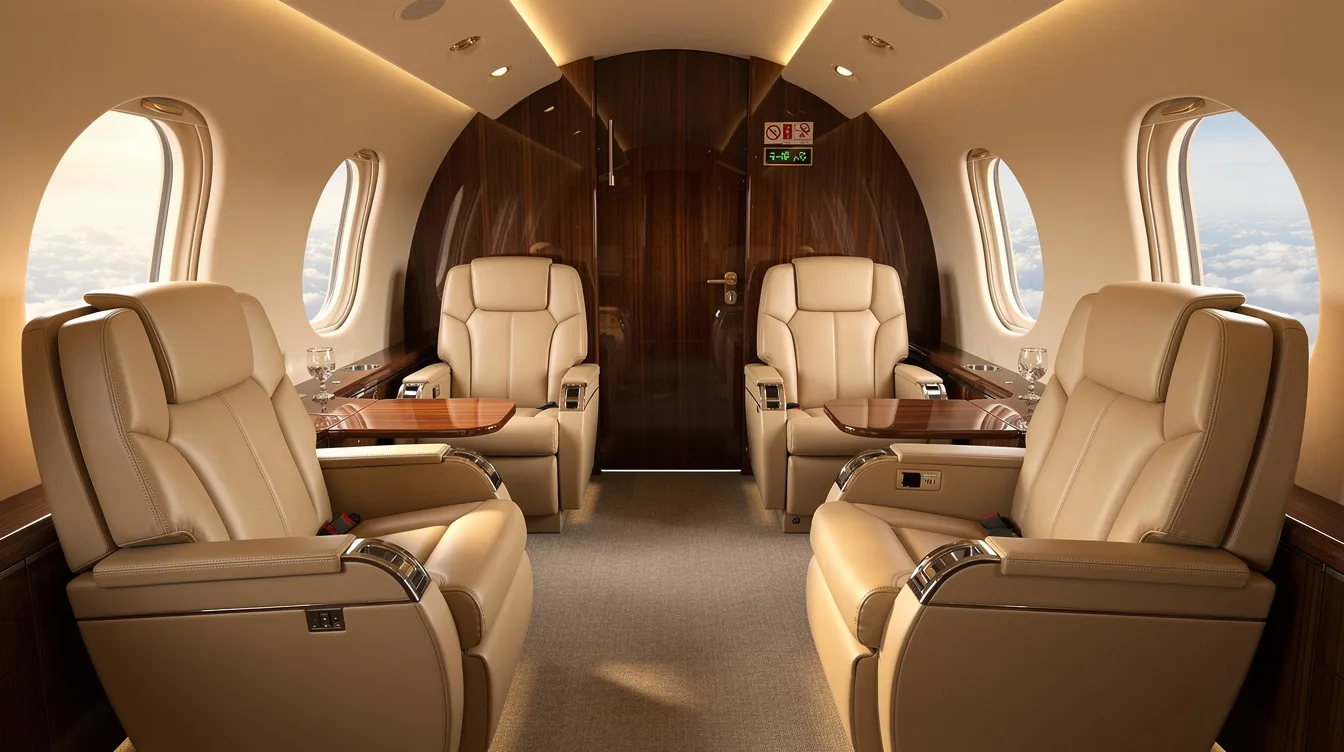
Private jet charter means paying by the flight hour for exclusive use of an entire aircraft, including crew, fuel, and insurance. You don't own anything — you just book the plane you need, when you need it.
Here are typical 2026 hourly private jet charter costs by category:
Turboprops: $2,300 to $3,500 per hour (turboprop rentals start at $2,300 per hour)
Light jets: $2,200 to $4,500 per hour
Midsize jets: $3,500 to $7,500 per hour
Heavy jets: $8,000 to $16,000 or more per hour
Ultra long-range jets: hourly rates can exceed $20,000
VIP airliners: $18,000 to $23,000 per hour
These quoted hourly rates often exclude taxes, overnight crew costs, repositioning flights, and de-icing. A 7.5% US Federal Excise Tax applies to all domestic flights, along with domestic segment fees of $5.30 per passenger per leg. Those extras can add thousands to the final bill on longer trips.
Route example: A private jet charter from New York to Miami on a light jet costs roughly $17,000–$24,000 one way. The same trip on a midsize jet runs $22,000–$32,000. On a super midsize jet, expect $27,000–$38,000.
Chartering a private jet is often cheaper than ownership for travelers flying under 200–250 hours per year, especially those who frequently switch routes and passenger counts. You pick the right aircraft category for each trip without carrying the fixed costs of a private plane you might not use every week.
How Private Jet Rental Prices Are Calculated
Private jet rental cost is primarily based on billable flight hours multiplied by the hourly rate, plus trip-specific extras. Understanding the formula helps you avoid sticker shock.
Here are the main cost components:
Billable flight time: The core of every quote. Your flight hours from departure to arrival, multiplied by the hourly rate for that aircraft category.
Aircraft category and age: Aircraft age can increase rental rates by $100 to $1,000 per hour. Newer jets with improved fuel efficiency and modern avionics command premium pricing.
Positioning fees: If the aircraft requires a repositioning flight to reach your departure airport, that cost gets added. Booking floating-fleet aircraft can reduce repositioning fees by 30%.
Crew overnights: Operational logistics can add $200 to $600 per crew member per night for longer trips or multi-leg itineraries.
Airport and handling fees: Landing fees at a fixed base operator vary significantly based on the location and type of airport. Using secondary airports can lower landing and ramp fees significantly.
Government taxes: A 7.5% US Federal Excise Tax applies to domestic flights, plus per-passenger segment fees.
Add-ons: Premium catering, ground transportation, and de-icing are not part of the base hourly figure. Always ask what's included in the quote.
A simple cost formula: total cost = flight hours hourly rate + positioning + crew/airport logistics + taxes. For a 2.5-hour midsize jet charter at $5,000/hr, the base is $12,500 — then add positioning, crew, airport fees, and taxes to get your real number.
Air charter pricing is also influenced by demand during peak travel times. Winter routes from the Northeast to Florida, for example, can spike 20–60% above off-peak rates. Booking 30 to 60 days in advance provides the best pricing options.
Route Examples: How Much It Costs to Fly Private on Popular Trips
Real-world route examples make abstract hourly rates tangible. Here's what popular one-way private jet charter flights actually cost in 2026:
Short regional hop - New York to Boston (~190 nm):
Turboprop: ~$4,500–$6,500
Very light or light jet: ~$6,000–$9,000
Right-sizing your jet can save thousands per hour on short hops like this - a turboprop handles the distance just fine
Medium haul - New York to Miami (~950 nm):
Light jet: ~$17,000–$24,000 one way
Midsize jet: ~$22,000–$32,000
Heavy or large cabin jet: ~$30,000–$50,000+
Empty leg flights on this corridor can drop to ~$5,000–$9,000 when available
Long-haul / international flights - New York to London (~3,450 nm):
Ultra long-range aircraft required (G650, Global 7500, etc.)
Charter cost: ~$120,000–$180,000+ one way depending on operator and season
This is where ultra-long-range jets and larger aircraft earn their premium
Pricing can differ significantly between one-way versus round-trip bookings. Round-trip charters avoid repositioning costs, while one-way bookings often include the operator's deadhead leg in the price. That's exactly the scenario that creates empty leg flights - and those same routes can be discounted by up to 75% versus standard charter pricing when they become available.
Ownership vs Charter: Break-Even Flight Hours
The "should I own or charter" question largely hinges on two factors: your annual flight hours and your mission profile.
Here are the common benchmarks:
For very light and light jets, full ownership is economical for 200+ flight hours per year. Below that, charter or membership wins on cost.
For midsize and super midsize jets, the break-even sits around 200–300 hours per year, depending on fixed costs in your region.
For large cabin and ultra-long-range jets, break-even can be closer to 300+ hours/year because annual fixed costs scale so steeply.
Simple comparison: Owning and operating a light jet at 250 hours/year costs roughly $900,000–$1.3M all-in. Chartering the same aircraft category for 250 hours at ~$3,500–$4,500/hr runs $875,000–$1,125,000 — comparable, but without the capital risk, depreciation, or management headaches.
Chartering also retains flexibility to switch jet category per trip. You can take a very light jet for a solo hop and a super midsize jet for a group trip, using the same aircraft type that fits each mission without committing to one plane's fixed costs.
For travelers well under 200 flight hours per year, alternative models — on-demand charter, jet cards, fractional ownership, and empty leg memberships—generally offer more value than buying a private jet outright.
Alternatives to Full Ownership: Fractional, Jet Cards, and Membership
Between full ownership and pure charter lies a spectrum of access models designed for private jet owners who don't want the full burden of owning a private jet.
Fractional ownership: You buy a share (typically 1/16 to 1/4) of a private aircraft and pay monthly management fees plus per-flight-hour charges. Best for frequent business flyers needing predictable access to a specific jet category with defined usage hours — usually 50–200 hours per year.
Jet cards: Prepaid flight hours at fixed hourly rates with guaranteed availability in a given aircraft category. Common minimums run 25–50 hours. You get price certainty and charter access without ownership, but unused hours may expire, and rates often sit above spot charter pricing.
Private jet memberships: These range from per-flight discount programs to models like Hoppyn, where a flat annual fee of $997 gives you access to unlimited free empty leg flights once confirmed — no per-hour charge, no fuel surcharges, no hidden fees.
Rough annual cost comparison for a traveler flying ~75 hours/year:
Full ownership (light jet): ~$700,000–$1M+ (fixed costs dominate at low utilization)
Fractional (1/8 share): ~$300,000–$500,000 including management and flight fees
Jet cards (25-hour block): ~$90,000–$150,000 depending on category
Hoppyn membership + occasional charter for non-empty-leg trips: $997 + charter costs as needed
The math shifts dramatically when empty legs cover even a fraction of your trips.
Empty Leg Flights: The Cheapest Way to Fly Private
Empty leg flights - also called "deadhead" flights - are repositioning segments with no passengers. When a private jet drops off charter clients and needs to fly back to its home base or to its next pickup point, that return leg would otherwise fly empty. Operators prefer some revenue over none, so they sell these legs at steep discounts.
Here's what you need to know:
Empty leg flights can offer up to 75% off standard charter rates, sometimes more
Routes, dates, and times are set by the operator's schedule — flexibility on dates is required for empty leg flights
Empty legs cover all jet categories, from very light jets to ultra-long-range aircraft
Popular city pairs like New York–Miami, Los Angeles–Las Vegas, and London–Geneva see frequent empty leg availability
Empty leg flights are available globally through membership services, not just in the US
The trade-off is straightforward: you sacrifice schedule control in exchange for dramatically lower costs. For travelers who can adapt — digital nomads, retirees, leisure travelers, or entrepreneurs with flexible calendars — empty legs are the closest thing to free private aviation that exists.
Hoppyn is built specifically around this model. Members can browse and join waitlists for empty leg flights across a live flight board, with new flights added daily, while charter operators can use dedicated resources to connect fleets and list those empty legs efficiently.
How Hoppyn Works: Unlimited Empty Legs for a Flat Annual Fee
Hoppyn flips the usual "per flight hour" cost model. Instead of paying thousands per hour, you pay a transparent annual membership fee and then fly empty legs with no flight costs once confirmed.
Here's how it works:
Annual membership at $997/year — that's the full price, stated clearly
Access to a global inventory of private jet empty leg flights across multiple jet categories
Browse a live flight board and join waitlists for flights matching your routes and dates
Confirm flights as they're released by operators — with no additional flight hour charges
Members pay no per-flight cost once an empty leg is confirmed. No hidden flight hour surcharges, no fuel add-ons, no per-seat fees. You cover your own ground arrangements and any extras like catering if requested.
Here's where the math gets interesting: A single transcontinental empty leg — say, Los Angeles to New York on a midsize or large cabin jet — would normally cost $40,000–$60,000+ to charter. That one flight effectively "pays for" the $997 membership more than 40 times over. Even a single short-hop empty leg worth $15,000–$20,000 delivers extraordinary value against the annual fee.
Hoppyn is ideal for flexible travelers who can adapt plans to available legs, driving their average cost per flight hour close to zero.
Flying Private on a Budget: Comparing Charter, Membership, and Airlines
Many readers are weighing flying private against premium airline cabins. Here's where private jet rental or membership can actually make financial sense versus scheduled airlines.
Per-trip comparison on New York–Miami:
Two business-class airline tickets: ~$1,200–$3,000 total
Light jet charter (up to 7 passengers): ~$17,000–$24,000 one way (~$2,400–$3,400 per person with 7 passengers)
Empty leg via Hoppyn membership: $0 incremental flight cost (after $997 annual fee)
When you're traveling as a group and split private jet charter costs across 4–8 passengers, the per-person price compresses dramatically — sometimes landing within reach of business-class fares, with none of the security lines, layovers, or commercial airport hassles.
Private jets also shine for time-sensitive trips with multiple stops in one day, routes poorly served by airlines, and situations where you need to access smaller airports near your actual destination rather than a major hub.
Traditional charter works best when your dates and times are locked, and you need guaranteed departure. Empty leg memberships work best when you're date-flexible and want to compress your effective price per flight hour to near zero. Private aviation typically allows for flexible travel but incurs variable costs based on flight details — the key is matching the right model to your travel patterns.
Popular Private Jet Models and What They Cost
Buyers and charter clients often anchor expectations around specific aircraft names. Here's a quick look at popular models:
Very light and light jets:
Cirrus Vision Jet SF50: ~$3.5M–$4M new; charter ~$2,500–$3,500/hr
Cessna Citation Mustang: pre-owned ~$1.3M–$2.2M; charter ~$2,500–$3,500/hr
Cessna Citation CJ3+: ~$9M–$10M new; charter ~$3,500–$4,500/hr
Embraer Phenom 300E: ~$10M–$11M new; charter ~$3,800–$4,600/hr
Midsize and super midsize jets:
Cessna Citation XLS+: ~$13M–$15M new; charter ~$4,500–$5,500/hr
Embraer Praetor 600: ~$24.5M new; charter ~$6,000–$7,500/hr
Bombardier Challenger 300: pre-owned ~$10M–$15M; charter ~$5,500–$7,000/hr
Large cabin and ultra-long-range jets:
Gulfstream G650/G650ER: ~$40M–$65M pre-owned; charter ~$10,000–$14,000/hr
Gulfstream G700: ~$75M+ new; charter ~$12,000–$16,000+/hr
Bombardier Global 7500: ~$75M–$80M+ new; charter ~$14,000–$18,000/hr
Empty leg availability spans all these models. Hoppyn members may occasionally access aircraft that would be well outside their budget to charter at retail rates — a G650 or Challenger repositioning flight can show up on the empty leg flights board at no additional cost beyond the annual membership.
How Many Private Jets Does One Person or Business Really Need?
Most individuals and small businesses that own jets operate a single private aircraft tailored to their primary mission profile. A CEO flying mostly domestic routes of 1,500–2,500 nm might own one super midsize jet that handles 90% of trips comfortably.
Large corporations or government entities may operate fleets of 2–5 aircraft across different jet categories — light jets for regional hops, large or ultra-long-range jets for intercontinental missions — but this is the exception.
With modern charter and membership options, many private jet owners supplement their primary jet with on-demand charter or memberships like Hoppyn rather than buying multiple aircraft outright.
Prospective buyers should analyze their last 12–24 months of travel: how many passengers, what distances, how many flight hours, and how often they could use empty legs or charter to cover outlier trips on a different aircraft category.
For most readers, the more realistic question is: "Do I need to own at all, or can I combine scheduled airlines, chartering a private jet, and an empty leg membership to cover all my travel needs more efficiently?"
Key Price Drivers Beyond Size: Age, Upgrades, and Market Conditions
Within each jet category, two private aircraft of the same model can have wildly different prices depending on several factors:
Airframe age and total flight hours: Older jets with high hours cost less upfront but may carry higher long-term maintenance costs and unplanned maintenance events. An engine overhaul on a midsize jet can run $1M–$3M and may be due within a few hundred flight hours of purchase.
Engine and maintenance programs: Enrollment in programs like ESP, MSP, or JSSI provides predictable cost coverage and boosts resale value.
Avionics upgrades: Retrofits like ADS-B compliance, FANS 1/A+, and high-speed Wi-Fi can cost hundreds of thousands to over a million dollars but are increasingly required for international flights and preserve charter appeal.
Market demand: Post-pandemic surges in private aviation temporarily inflated both purchase prices and charter rates. Slower periods create better deals on pre-owned jets and hourly charter.
Buyers should budget not just for the direct cost of acquisition but also for near-term maintenance events that could add millions to the total ownership cost within the first few years.
Is Flying Private Worth the Cost? Time, Privacy, and Productivity
Private jets are objectively expensive. But the value equation extends beyond the hourly rate.
Time savings: Skip security lines (arrive 15 minutes before departure, not 2 hours), access smaller airports closer to your final destination, and eliminate layovers. Choosing the best seat on a private plane is a welcome upgrade from fighting for overhead bin space.
Productivity: A private plane doubles as a flying office or boardroom. Confidential meetings, phone calls without neighbors listening, Wi-Fi that works — these translate to real output on long-haul flights.
Multi-stop days: A day with stops in New York, Charlotte, and Miami is routine on a light or midsize jet. On commercial flights, it's a two-day affair at minimum.
Schedule control: Depart on your own schedule, not the airline's. Private aviation lets you adjust timing around meetings, weather, or family needs.
Empty leg flights deliver many of the same benefits for a fraction of standard charter pricing when you're flexible on routing. Dedicated tools like the City Hub for spontaneous empty legs make it easier to match last‑minute routes with your schedule. The "worth it" calculation isn't about luxury — it's about the effective hourly value of your time multiplied by hours saved.
How to Start Flying Private for Less with Hoppyn
Hoppyn is the simplest entry point for travelers who want private jet benefits without the purchase price, ownership risk, or standard charter rates.
Here's how to get started:
Join Hoppyn for a flat annual fee of $997
Browse the live empty leg flight board across multiple jet categories — from very light jets to large cabin and ultra-long-range aircraft
Join waitlists for flights that match your routes and dates
Confirm flights as they're released by operators - with no additional flight hour charges
Members pay no per-flight cost once an empty leg is confirmed. No hidden flight hour surcharges, no fuel add-ons, no per-seat fees. Hoppyn offers dedicated 24/7 assistance and transparent information on each listed flight.
It's a low-risk way to experience flying private before considering charter commitments or ownership. One confirmed flight can deliver more value than the entire annual membership — and there's no cap on how many you can take.
Ready to browse empty leg flights? Join Hoppyn today.
Frequently Asked Questions
Is it cheaper to buy a private jet or charter one if I only fly a few times a year?
For travelers flying fewer than ~200 flight hours per year, chartering a private jet or using memberships like Hoppyn's empty leg access is almost always cheaper than buying. High annual fixed costs — hangar fees, insurance, crew salaries, maintenance — can exceed $500,000–$1,000,000 annually regardless of how often the aircraft flies. A simple rule of thumb: occasional trips (a few per year) favor charter or empty legs; moderate use (~50–200 hours/year) suits charter, jet cards, or membership; and very heavy use (200–300+ hours/year on consistent routes) is when ownership starts to pencil out. Even then, consult an aviation finance expert before committing.
What is the cheapest type of private jet I can buy?
Very light jets like the Cirrus Vision Jet and older Eclipse 500s are the most affordable, with pre-owned examples sometimes available around $1M–$2M and new VLJs ranging from ~$2M to $5M+ in 2026. But cheaper acquisition doesn't mean cheap operation — owners still face six-figure annual operating costs covering maintenance, insurance, hangar fees, and pilot training. A well-chosen pre-owned light jet like a Citation Mustang can balance lower upfront cost with better parts support and resale value.
How much does it cost to operate a private jet per flight hour?
Per flight hour operating costs (excluding depreciation) typically run ~$1,000–$1,500 for very light and light jets, ~$2,500–$4,000 for midsize and super midsize, and ~$3,500–$5,000+ for large and ultra long range jets. These figures include fuel, routine maintenance, and trip expenses but not fixed annual costs like hangar fees or crew salaries, which must be spread across total annual flight hours to understand the true all-in hourly cost. High fuel prices, heavy utilization, or unplanned maintenance events can push the effective per flight hour cost well above these estimates.
Can empty leg flights really make flying private affordable?
Yes. Empty leg flights dramatically reduce cost because they monetize a repositioning leg that was going to fly anyway, delivering discounts of 50–75% versus standard charter pricing. With Hoppyn's membership model, the per-flight cost can fall even further — once the $997 annual fee is paid, confirmed empty legs carry no additional flight hour charges, making each trip effectively free from a flight cost standpoint. The practical trade-off: you need flexibility with routes and timing, and empty leg availability varies by region and season.
What should I check before deciding to buy a private jet instead of using membership or charter?
Start with hard data: your actual annual flight hours over the last 1–3 years, typical passenger counts, primary routes (short hops versus ultra-long-range missions), and how much schedule flexibility you have. Then run the numbers — compare total acquisition cost plus five-year operating costs of your target jet category against projected charter or membership costs over the same period. An aviation finance or brokerage expert can help model this accurately. Most importantly, test private jet travel through charter and empty leg memberships like Hoppyn first to confirm your usage patterns and preferences before committing millions to a purchase.
Private Jet Cost Comparison Table
Jet Category | Purchase Price Range (New) | Pre-Owned Price Range | Charter Hourly Rate Range | Annual Operating Cost Range | Break-Even Flight Hours |
|---|---|---|---|---|---|
Very Light Jets (VLJs) | $2M–$5M | $1.3M–$2.5M | $2,300–$3,500 | $500K–$800K | 200+ |
Light Jets | $3.5M–$9M | $3M–$7M | $2,200–$4,500 | $700K–$1.2M | 200+ |
Midsize & Super Midsize Jets | $5M–$30M | $4M–$20M | $3,500–$7,500 | $1M–$2M | 200–300 |
Large Cabin Jets | $25M–$60M | $20M–$50M | $8,000–$16,000 | $2M–$3M | 300+ |
Ultra Long Range Jets | $60M–$100M+ | $40M–$80M+ | $10,000–$23,000 | $2.5M–$3M+ | 300+ |
Conclusion: Finding the Right Private Jet Option for You
Flying private is no longer just for billionaires. Whether you choose to buy, charter, or join a membership like Hoppyn, understanding the full cost picture is key to making smart decisions.
Buying a private jet is a major investment with purchase prices from $2 million to $100 million+, plus annual operating costs from $500,000 to over $3 million. Ownership makes sense if you fly 200+ hours per year and want full control.
Chartering a private jet offers flexibility and avoids ownership costs, with hourly rates from $2,300 to $23,000 depending on aircraft size. It’s ideal for those flying less frequently or with varying trip needs.
Empty leg memberships like Hoppyn deliver the best of both worlds: private jet access at a fraction of the cost, with a flat $997 annual fee and no per-flight charges once confirmed. It’s perfect for flexible travelers who want to fly private for less.
The choice depends on your flight hours, schedule flexibility, and budget. For most travelers flying under 200 hours annually, charter or membership models offer the most cost-effective private jet access without the burdens of ownership.
Ready to experience private jet travel on your terms? Explore empty leg flights and join Hoppyn today to start flying private for less.




Unlock Your Private
Jet Experience
Join our exclusive membership for
free flights today!

Explore More
Blogs


Join Our Exclusive
Newsletter
.png)






