
How to Fly Private for Cheap in 2026 (Without Owning a Jet)


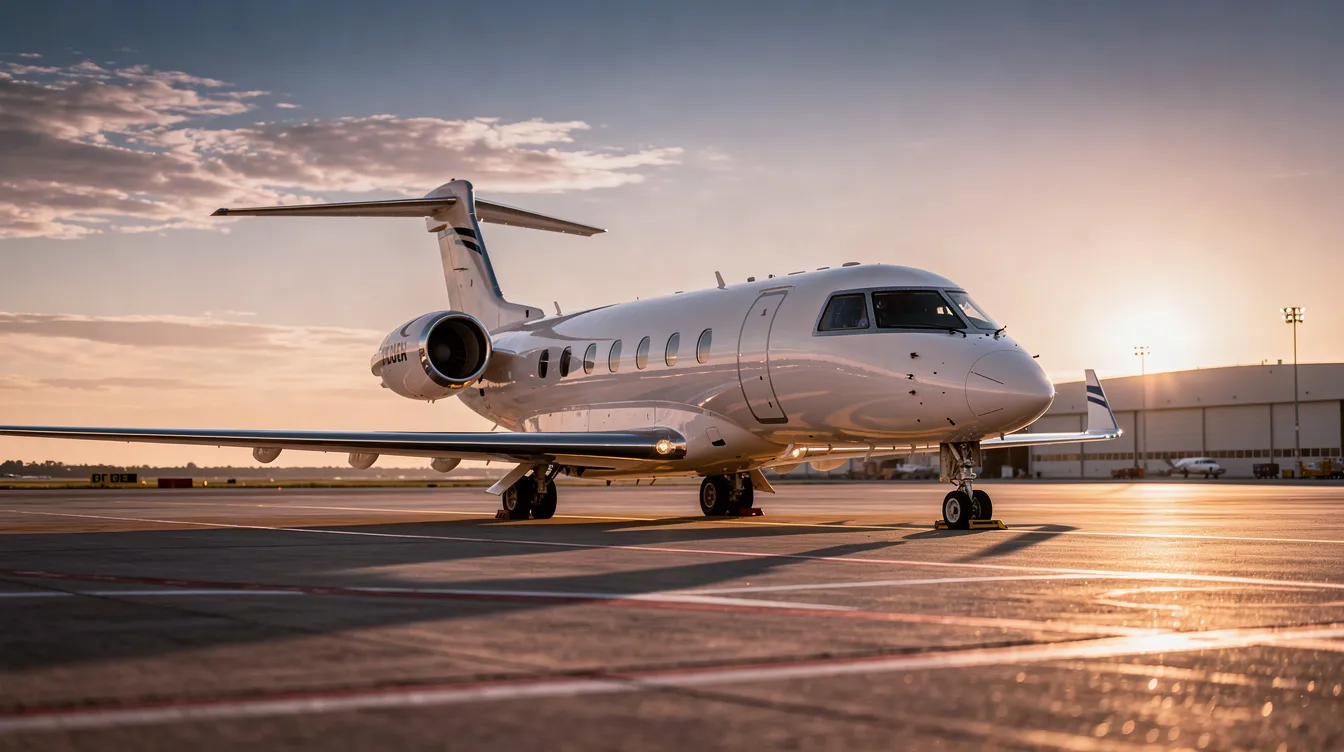
Think private jets cost $5,000 per hour? They can. But they don't have to. A growing number of travellers are flying private for prices that rival business class by tapping into flights that would otherwise fly empty. This guide breaks down every method available in 2026, from empty leg flights to memberships, shared charters, and more.
Key Takeaways
Empty leg flights offer significant discounts on private jet travel, often 30% to 75% off standard charter rates. These flights happen when jets fly back empty to their base or reposition for the next client. Prices for empty leg flights range from $2,000 to $5,000 on many popular routes, putting private air travel within reach for travellers who previously dismissed it as unaffordable.
You don't need to buy a jet or even a fractional share. A membership like Hoppyn costs a flat $997/year and unlocks unlimited empty leg flights with no per-flight cost. Compare that to typical hourly rates of $4,000 to $6,500 for light jets, and the math speaks for itself.
Here's a quick roadmap of the affordable ways covered in this article:
Empty leg flights (repositioning flights sold at deep discounts)
Shared charter services and semi-private airlines (per-seat pricing)
Membership programs like Hoppyn (flat annual fee, no flight cost)
Jet cards (prepaid flight hours at fixed rates)
Fractional ownership (buying a share of an aircraft)
What Makes Flying Private So Expensive (and Where You Can Save)
A standard light jet charter (4 to 6 seats) from Los Angeles to Las Vegas in 2026 starts around $6,000 to $8,000 one-way. On-demand charters start at $5,000 per hour for most aircraft, and prices climb fast as you move into super midsize and heavy jets. With on-demand charter, travellers can book flights as needed while choosing the aircraft type and schedule. They require no long-term commitments or upfront costs. But per-trip costs add up quickly.
The main cost drivers behind those prices:
Aircraft ownership and financing (a light jet costs $3 million to $10 million to buy outright)
Maintenance, pilot salaries, and training
Fuel, which fluctuates with oil markets
Repositioning legs (flights flown empty to get the aircraft where it needs to be next)
Operator overhead: insurance, hangar fees, regulatory compliance
Here's the key detail most travellers miss: roughly 41% of private jet flights in Europe are empty legs, flown without passengers. Charter operators already pay for crew, fuel, and landing fees on those legs whether anyone's on board or not. When those flights are resold, you benefit from costs that are already covered.
Three models exist for accessing private aviation at different price points: paying retail charter rates through charter companies, hiring a charter broker to hunt deals, and using a membership like Hoppyn that focuses on empty legs. Comparing all-in costs rather than just the hourly rate leads to better price evaluations across all three.
The rest of this article shows you how to benefit from these existing costs instead of paying full ownership or charter prices.
Empty Leg Flights: The #1 Way to Fly Private for Less
An empty leg flight is a one-way repositioning leg where a private jet flies without paying passengers. It happens after the aircraft drops off clients or heads to its next pickup. For example, a jet that flies a paying client from New York to Miami on Monday might need to return empty to New York on Tuesday. That return flight is an empty leg.
These flights arise constantly on popular business and leisure routes: New York to Miami, Los Angeles to Las Vegas, London to Nice, and seasonal corridors like New York to Aspen during ski season. Private aviation becomes more affordable through the use of these repositioning flights because the operator has already budgeted the cost.
Realistic savings run 30% to 75% off standard charter rates. A $20,000 New York to Aspen charter on a super midsize jet might drop to $5,000 as an empty leg. An empty leg flight from Los Angeles to San Francisco can cost $3,000, compared to $8,000 or more for a regular private charter on the same route.
The trade-offs are real. Empty legs come with a fixed route, a narrow departure window, limited date flexibility, and no guarantee the flight will operate if the primary charter cancels. You work around the aircraft's schedule, not the other way around.
One detail worth noting: on an empty leg, you typically get the entire aircraft, not just a single seat. If you're travelling with family or colleagues, splitting that cost across 4 to 6 passengers drops the per-person price to commercial business class territory or lower.
How Empty Leg Flights Work Step by Step
The lifecycle is straightforward. A client books a private charter from Paris Le Bourget to Ibiza on 20 July 2026. The aircraft is based in London Farnborough. So the jet first flies empty from London to Paris to pick up the client (that's one empty leg). After dropping the client in Ibiza, the jet flies empty back to London (that's another empty leg). Both of those non-revenue segments can be sold.
The operator or a marketplace platform lists the empty leg with the route, approximate departure window, aircraft type, and seat capacity. Some charter services post these on their own websites; others distribute through brokers or membership platforms, and Hoppyn offers resources for charter operators to streamline this process.
Timing varies. Empty legs often appear just days or hours before departure, though busy corridors sometimes post flights 1 to 3 weeks in advance. Travellers need flexible schedules to book empty leg flights, and flexible travel windows increase chances of finding low-cost private flights on the routes you want.
Traditional marketplaces sell these either at a per-flight price, through a charter broker's email list, or inside a membership platform where members get priority alerts. The method you choose affects both price and how much notice you receive.
Bottom line: empty leg flights reward flexibility. If you can adjust your plans to match the aircraft's schedule, you unlock private flight access at a fraction of the normal cost, especially when using tools like City Hub spontaneous empty leg deals.
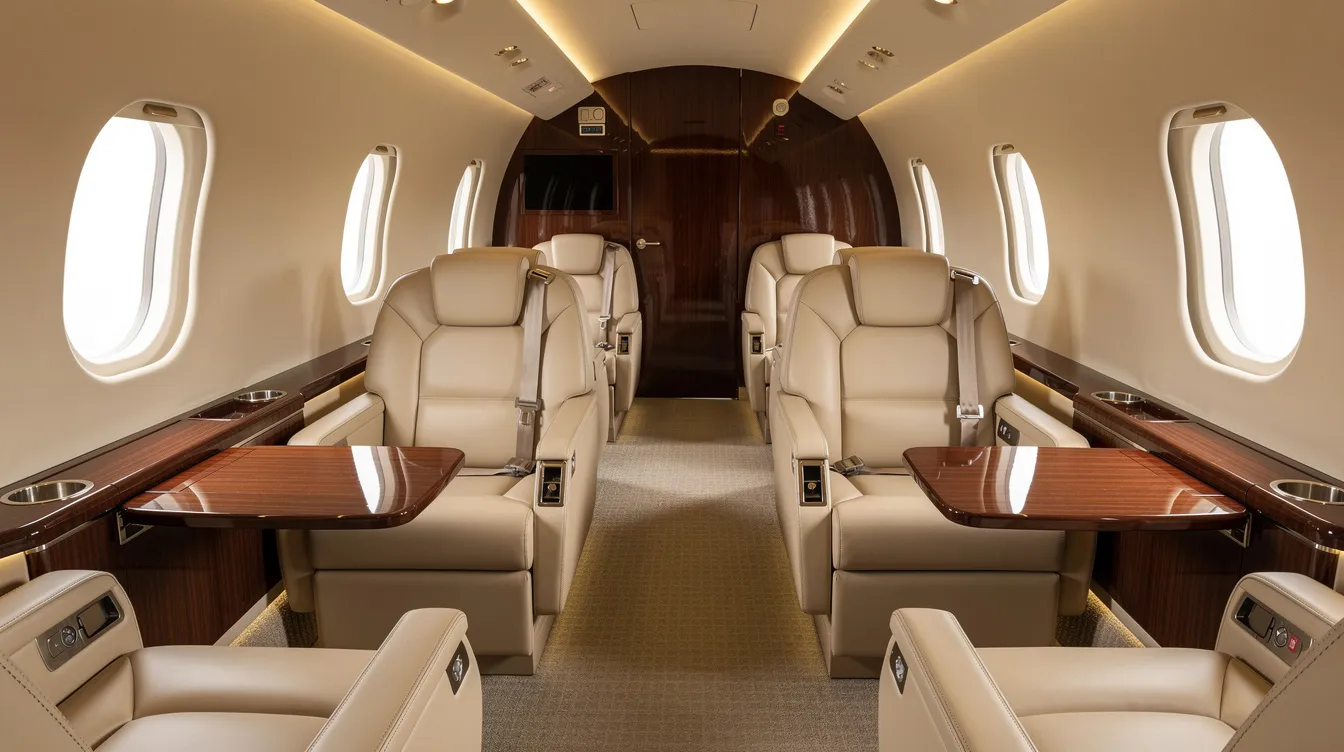
Why Empty Legs Are So Cheap Compared to Full Charter
For charter operators, an empty leg is already budgeted as an operating expense. The crew is paid, the fuel is burned, the landing fees are settled. Any revenue from selling that leg, even at 30% of retail, is incremental profit on a cost they were going to absorb anyway.
Consider a concrete example. A Gulfstream or Challenger heavy jet flies Los Angeles to New York as a paid charter for roughly $45,000 one-way. The return leg to Los Angeles would otherwise fly empty. The operator lists it for $10,000 to $15,000. That's a 60% to 70% discount, and the operator still comes out ahead compared to earning $0.
Empty leg pricing is less about distance and more about "better than nothing" revenue. Dense corridors with heavy demand (like New York to Florida) tend to see smaller relative discounts, around 30% to 40%, because there are more buyers competing. Less common routes can see 60% to 75% off.
Because you usually get the entire aircraft, the per-person math is compelling. Sharing a charter with friends can reduce the cost per person to levels that compete with commercial first class. Six passengers on a $4,000 empty leg pay about $667 each.
Booking two one-way charters can sometimes be cheaper than a round-trip charter, especially if one direction is available as an empty leg and the other is a paid charter or commercial flight. Membership models like Hoppyn go further by removing per-flight pricing entirely, turning these already-cheap empty legs into flights with no additional cost for members.
Using Private Jet Memberships to Access Empty Legs
Private jet memberships are subscription-based programs that provide access to fleets and deals. In 2026, memberships start at a few hundred dollars per year and scale up to several thousand per month, depending on the model.
Three broad types exist:
Seat-based clubs that sell individual seats on set routes
Hourly-rate clubs that offer discounted charter pricing
Empty leg memberships that give members access to repositioning flights at low or zero per-flight cost
Members pay a flat annual fee for access to private jets under these programs. Membership programs provide guaranteed availability, and the benefits for frequent flyers include more predictable access and discounted rates within their inventory. Private jet membership programs cater to frequent flyers who travel several times per year on corridors where empty legs appear regularly.
Pricing across the industry in 2026: Wheels Up memberships start at $2,995 per year. Surf Air offers unlimited flights for $1,995 per month. Bluebird Jets charges $3,995/year for domestic empty legs. Hoppyn charges $997/year for unlimited empty leg flights globally with no per-flight cost.
Memberships work best if you fly 3 to 5 times per year or more and can stay flexible on dates and departure times. If you only fly once a year, monitoring empty legs without a membership might make more sense first.
How Hoppyn Helps You Fly Private for Cheap
Hoppyn is built entirely around empty legs. There's no hourly charter pricing, no jet card deposit, and no fractional share to purchase. The model is simple: pay one flat annual fee, then fly on confirmed empty leg flights at no additional cost.
Core features:
Flat $997/year membership fee
Unlimited free flights once confirmed
No hidden charges or jet card commitments
Flights added daily across North America, Europe, the Middle East, and other regions
24/7 support team for routing questions, baggage details, and first-time flyer guidance
The user experience: sign up online, log in to browse flights on the live board, filter by region and date, join waitlists, and receive notifications when a leg flight is confirmed. Utilising apps can help track and find empty leg flights in real time, and Hoppyn's platform is designed to do exactly that.
For travellers and business travellers who have been quoted $10,000+ for a single charter, Hoppyn offers a different path. You can learn more about Hoppyn and how the membership works before committing.
Shared Charter Services and Semi-Private Flights
Not all private travel means having the entire aircraft to yourself. Seat-based charter and semi-private flights sell individual seats on private jet flights, cutting costs further by splitting expenses among passengers.
The shared charter model works like this: the operator or charter broker aggregates passengers on popular routes (Los Angeles to Las Vegas, New York to South Florida) and splits costs by seat. Shared charter services split costs among passengers travelling to the same destination, which is why per-seat prices can drop below $500.
Platforms like Blade and JSX provide shared private flight options in 2026. JSX offers shared flights starting at $249 per seat on routes like Dallas to Houston or Los Angeles to Las Vegas. Set Jet requires a $99.95 monthly membership for shared flights on its network. Shared charters allow booking individual seats on private jets, making this the most accessible entry point for first-time private flyers.
The experience differs from a true private flight. You skip main terminals and TSA-style lines, boarding instead through private terminals or FBOs. But you share the cabin with a handful of other travellers. For a deeper look at what to expect on board, see our guide on the best seat on a private plane.
Shared charter and semi-private airlines are solid backups for routes or travel days where no suitable empty leg is available.

Comparing Charter Services, Jet Cards, and Fractional Ownership
This section puts the main private aviation models side by side so you can see why empty legs and memberships usually cost less for most individuals.
On-demand charter services. You request a quote through a charter broker or platform, get per-trip pricing (often $4,000 to $10,000 per flight hour depending on aircraft type), and pay only when you fly. No long term commitments. Full flexibility on routes and schedule. But every flight is priced at retail.
Jet cards. Jet cards allow prepayment for flight hours at fixed rates. A 25-hour light jet card from Sentient Jet starts at $150,000. Jet cards provide guaranteed availability for private jet charters and eliminate repositioning fees associated with traditional charters. Some jet cards use a captive fleet from fractional providers, giving you consistent cabin quality. The trade-off: a six-figure deposit before your first flight.
Fractional ownership. Fractional ownership allows buyers to purchase part of an aircraft outright rather than the whole jet. A 1/16th share of a light jet costs about $500,000. The monthly management fee can reach $10,000. Flight hour rates in fractional ownership average $2,000 to $4,000. Roughly 4,000 individuals in the U.S. own shares in aircraft. This model suits heavy users who want control over their fleet, not travellers looking for savings.
Turboprops as a budget option. Turboprop aircraft typically have lower operating costs than jets for short hops, making them a practical choice for routes under 500 miles where speed matters less than cost.
If your priority is cost rather than guaranteed aircraft type or full ownership, then empty leg flights plus a membership like Hoppyn will almost always be more economical.
How to Find Empty Leg Flights Worldwide
Three main channels exist for finding empty legs in 2026:
Online marketplaces that aggregate inventory from multiple charter operators
Charter broker mailing lists that send curated deals to subscribers
Dedicated empty leg membership platforms like Hoppyn
Monitor high-traffic corridors: New York to Miami, London to Nice, Los Angeles to Las Vegas, Dubai to Jeddah. Peak travel periods (Christmas through New Year, ski season, major events like Art Basel in Fort Lauderdale) generate the most repositioning flights.
Filters on most platforms let you search by departure airport or radius, destination, date range, number of passengers, and aircraft size. Hoppyn's flight board updates constantly with upcoming empty legs, showing departure time windows, routes, aircraft type, and seat capacity. You can browse flights to see what's available right now.
Private jets can access many smaller airports that commercial airlines do not use. This means your search should include secondary airports near your destination, not just major hubs.
Set alerts or join waitlists rather than checking manually. Good empty leg deals can be claimed within hours of posting.
Strategies to Make Empty Leg Flights Work for You
Flexibility is the currency you spend instead of cash when flying privately on empty legs. Here's how to maximise it:
Keep your departure dates flexible by ±1 to 2 days. Flexibility in travel dates enhances opportunities for cheaper private flights.
Be open to nearby airports. Fort Lauderdale instead of Miami. Teterboro instead of JFK. Van Nuys instead of LAX.
Booking flights on weekdays often results in lower costs compared to weekends, because demand from leisure travellers drops.
Have backup hotel plans in case your departure shifts by a day.
A practical approach: pick key routes you travel frequently (say London to Milan or New York to Miami), then watch empty legs on those corridors for a month to see patterns. If flights appear regularly, a membership pays for itself fast. You can also request a flight on Hoppyn to signal interest in specific routes.
Pair an empty leg one-way with a commercial flight or train on the return to create a hybrid, affordable itinerary. And fly with a small group whenever possible; filling seats on an already-discounted leg flight drops the per-person cost even further.
Sample Cost Comparisons: Charter vs Empty Leg vs Membership
Here are three route examples with approximate 2026 pricing across three scenarios:
New York to Miami (light jet, 3 hours flight time)
Full charter: ~$12,000 to $15,000
Empty leg (non-member): ~$3,000 to $4,000
Hoppyn member: $0 flight cost (annual membership $997)
Los Angeles to Las Vegas (light jet, 1-hour flight time)
Full charter: ~$6,000 to $8,000
Empty leg (non-member): ~$2,000 to $3,000
Hoppyn member: $0 flight cost
London to Geneva (midsize jet, 1.5 hours flight time)
Full charter: ~$10,000 to $14,000
Empty leg (non-member): ~$3,500 to $5,000
Hoppyn member: $0 flight cost
Group scenario. Six passengers on a $4,000 empty leg from New York to Miami pay about $667 per person. That's comparable to a last-minute business class ticket on commercial airlines for the same route, except you board through a private terminal and fly on your own aircraft.
If you take 4 empty leg flights in a year as a Hoppyn member, your effective membership cost per flight is about $249. At 8 to 10 flights, it drops below $125 per trip. Frequent flyers who travel popular routes see the most value from this model, with predictable costs and no per-flight surprises.

Who Should (and Shouldn't) Use Empty Leg Flights
Ideal users:
Leisure travellers with flexible schedules
Digital nomads and remote workers who can shift travel days
Entrepreneurs shuttling between major hubs (New York, LA, Miami, London)
Small teams using empty legs for flexible business travel to attend conferences or client meetings
Families comfortable with short-notice schedule adjustments
Not ideal for:
Rigid schedules where you must arrive for a 9 a.m. board meeting on a specific day
Time-critical events like weddings or once-a-year presentations
Same-day connections to non-changeable long-haul commercial flights, because empty leg cancellation risk makes this unreliable
Families can make empty legs work well for vacations, especially during peak seasons when repositioning flights are plentiful. Just build in a buffer day rather than planning tight ground transportation connections.
The balanced approach: use empty legs when your schedule allows, fall back on commercial or semi-private options when timing is non-negotiable.
How to Get Started with Hoppyn
Getting started takes about five minutes:
Visit the Hoppyn website and review How It Works
Sign up for the $997/year membership and create your account profile
Log in and browse live empty leg flights worldwide
Join waitlists for routes that match your upcoming travel arrangements
Receive email or in-app notifications when a flight is confirmed, including departure window and airport details
Hoppyn's support team answers practical questions before departure: baggage limits, pet policies, FBO addresses, and what to expect if it's your first private jet flight. Aviation experts on the team can help you understand routing options and nearby airports.
Stop searching for charter quotes. Start browsing empty legs. Join Hoppyn today and see what flights are leaving this week.
Common Mistakes to Avoid When Trying to Fly Private for Cheap
Treating an empty leg like a customizable charter. Empty legs have fixed routes and schedules. Asking to change the destination or move departure by six hours typically converts the booking into a full-price private charter.
Joining expensive jet card or fractional ownership programs for light use. If you only fly 2 to 3 times per year, a $150,000 jet card deposit or $500,000 fractional share doesn't make financial sense. Those products are designed for heavy users logging 50+ flight hours annually.
Ignore cancellation policies. If the primary charter client changes plans, your empty leg can be rescheduled or cancelled with little notice. Read the fine print. Build "Plan B" options: flexible hotel bookings, refundable commercial backup tickets.
Overlooking smaller airports. Secondary airports often have more empty leg availability and lower FBO fees. Searching only for major hubs like JFK or Heathrow limits your options.
Treating empty legs as guaranteed. They're high-value bonuses, not locked-in reservations until confirmed. Keep expectations realistic, and the experience will consistently exceed them.
Frequently Asked Questions
Are empty leg flights safe compared to regular private jet charters?
Empty leg flights use the same aircraft, pilots, and safety standards as the paying charter that created them. The only difference is that the seats would otherwise go unused. Reputable operators comply with the same regulatory frameworks (Part 135 in the U.S., EASA standards in Europe) regardless of whether the leg is paid or empty. Hoppyn works with established operators, and safety standards are never compromised to lower prices. "Cheap" refers to your cost, not to maintenance or operational shortcuts.
Can I choose the exact route and time on an empty leg flight?
Empty legs have fixed routes and approximate departure windows because they're tied to another customer's charter. Minor adjustments (moving departure by an hour or so) might be possible in some cases, but major route changes convert the booking into a regular charter at full pricing. Stay flexible on timing and consider nearby airports within 50 to 100 km of your target destination to match more flights. If you need a fully customised itinerary, on-demand charter through a charter broker is the better fit.
What happens if the original charter is cancelled; does my empty leg disappear?
If the paying client cancels or changes their flight, the associated empty leg may be rescheduled or cancelled, since the repositioning may no longer be needed, the aircraft may be needed elsewhere, or no longer required for the next charter. Members are notified as early as possible of any change, and Hoppyn or the operator may try to offer alternatives when available. Avoid building non-refundable plans (prepaid hotels, event tickets) around an empty leg alone unless you're comfortable absorbing that risk. This is the trade-off that enables you to fly private for a fraction of normal charter cost.
How many times per year do I need to fly for a membership like Hoppyn to be worth it?
If you can realistically take 3 to 5 empty leg flights per year, the effective cost per flight under a $997 annual membership becomes very attractive compared to booking charter or business class. At 4 flights per year, the membership works out to about $249 per trip before any general travel expenses like ground transportation. Frequent travellers taking 8 to 10 empty legs per year see effective per-flight costs below $125. Occasional travellers (one trip per year) should monitor empty legs for a month or two to see how often suitable routes appear before committing.
Do I have to pay extra per seat or per passenger when flying via Hoppyn?
Hoppyn's model charges a flat annual membership fee with no per-flight cost for confirmed empty leg flights. Pricing does not increase with each additional passenger, up to the aircraft's capacity. Members can bring family, friends, or colleagues at no additional charge from Hoppyn's side. Standard travel costs like ground transport, catering upgrades, or special requests are separate and handled directly with operators. This contrasts with traditional per-seat charter services that charge for each individual rather than giving you access to the full cabin.
Conclusion
Flying private for cheap is more achievable than ever, thanks to innovative options like empty leg flights and membership programs such as Hoppyn. By leveraging these under-utilized repositioning flights, you can access private jets at a fraction of traditional charter costs without the burdens of ownership or hefty hourly rates. Flexibility in your schedule and travel plans is key to unlocking these savings.
Hoppyn’s transparent, flat annual membership provides unlimited access to a global network of empty leg flights, making private aviation accessible for frequent travelers and newcomers alike. Combined with shared charter services and smart booking strategies, you can enjoy the convenience, comfort, and efficiency of flying private—without breaking the bank.
Ready to experience private jet travel on your terms? Join Hoppyn today and start browsing empty leg flights worldwide.




Unlock Your Private
Jet Experience
Join our exclusive membership for
free flights today!

Explore More
Blogs


Join Our Exclusive
Newsletter
.png)






