How To Get A Private Plane: Guide To Chartering And Flying Private



Think private jets cost $5,000+ per hour and are only for celebrities? Not exactly.
You can fly private in more ways than most people realize. From traditional private jet charter services to smarter alternatives like empty leg flights, there are multiple paths to stepping onto your own aircraft — without owning one.
In this guide, we’ll break down:
What flying private actually means
How air charter services work
How to charter step by step
What it really costs
How to fly private for less
Whether you’re a business traveler or leisure traveler, this is your starting point for a stress-free experience in private jet travel.
Flying Private And Air Charter Service
Before we dive deeper, let’s define the basics.
What Is Flying Private?
Flying private means traveling on a private aircraft that is not part of a commercial air travel schedule. You choose the departure time, the airport, the aircraft, and who flies with you — all tailored to your travel plans.
No long security lines.
No boarding groups.
No crowded terminals.
You arrive at a private terminal (FBO), walk onto your charter jet, and depart on your own schedule.
What Is An Air Charter Service?
An air charter service is a company that arranges private aircraft charter flights for specific trips.
Instead of buying a jet, you “charter” it for a single flight. You pay based on aircraft type, flight distance, flight time, and additional services.
This differs from:
Commercial flights (scheduled airline tickets)
Aircraft ownership or fractional ownership
Private jet memberships or jet cards
Empty leg flights (discounted repositioning flights)
Main Benefits Of Private Charter Flights
Private charter flights offer clear advantages:
Total schedule control and flexibility
Access to thousands of regional airports, often closer to your destination than commercial airlines serve
Privacy and confidentiality are ideal for business travelers and luxury travelers
Faster boarding and departure without long lines or security hassles
Flexible baggage allowances, including space for sports equipment like skis and golf clubs; baggage capacity varies by aircraft type, with larger jets offering more storage for oversized items
Personalized service with concierge services and luxury accommodations onboard, including amenities such as high-speed Wi-Fi and gourmet catering
For many executives and families, time savings alone justify the cost, especially when flying to different cities or on long-haul flights.
Decide Why To Fly Private
Before booking, define your purpose. The “why” determines the right aircraft, budget, and frequency.
Business Use Cases
Private jet travel is often a productivity tool for business travelers.
Common scenarios include:
Multi-city same-day meetings
Visiting remote manufacturing sites
Executive team retreats and high-security travel
M&A roadshows or board member transport
Flying privately can save 6–10 hours per day compared to commercial connections, allowing you to work on board with amenities such as high-speed Wi-Fi and conference seating.
Leisure Use Cases
Flying private is also about convenience and comfort for leisure travelers.
Typical scenarios:
Ski trips to regional airports
Island vacations and luxury resort transfers
Family reunions and destination weddings
Traveling with pets in a stress-free environment
The ability to land closer to your final destination is often the biggest benefit for leisure travel.
Assess Travel Frequency
This is critical.
Ask yourself:
How many private trips per year?
Domestic or international travel?
Same routes or varying destinations?
If you fly occasionally (1–3 trips/year), on-demand private jet charter may be a good fit.
If you fly frequently, private jet membership or access to empty leg flights may be significantly more cost-effective.
Compare Charter Flights: Options And Benefits
Not all private flight solutions are the same.
On-Demand Charter
This traditional jet charter model lets you request a quote for a specific trip. The charter operator sources aircraft and gives you a price.
Pros:
No long-term commitment
Flexible aircraft options to match your mission
Ideal for occasional travel and short trips
Cons:
Higher per-flight cost compared to memberships
Pricing can vary based on demand and flight distance
Jet Cards
Jet cards allow you to prepay for flight hours (e.g., 25 hours) on the right jet class.
Pros:
Fixed hourly rate and transparent pricing
Guaranteed availability and simplified private jet booking
Concierge services included
Cons:
Large upfront payment required
Hour minimums may apply
Operator vs Broker Roles
Understanding this helps you choose the best provider.
Operator
Owns or manages the aircraft
Employs pilots and crew
Responsible for safety compliance and maintenance
Broker
Sources aircraft from multiple operators
Acts as an intermediary offering access to a global network
Does not own aircraft but can provide competitive pricing and more aircraft options
Both can be reputable — always verify certifications and safety audits.
Aircraft Classes And Typical Missions
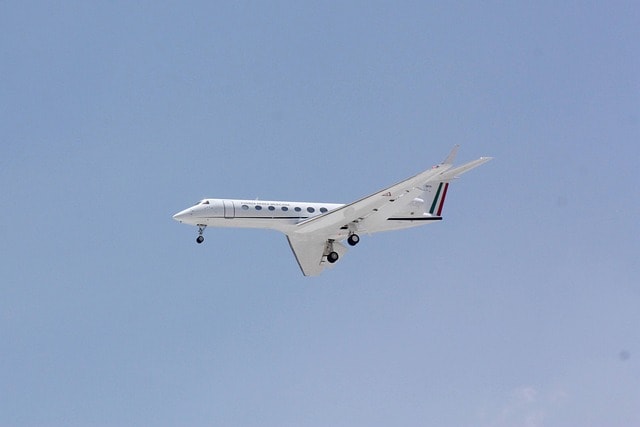
Selecting the right aircraft ensures comfort, efficiency, and cost-effectiveness.
Light Jets: Typically accommodate 4–6 passengers for trips up to 1,500 miles. They are ideal for short trips and small groups and cost around $2,000–$5,000 per hour.
Midsize Jets: Seat 6–9 passengers, suitable for cross-country flights up to 2,450 miles, with more luggage space and hourly rates from $5,000–$9,000.
Super-Midsize Jets: Accommodate 8–10 passengers, perfect for coast-to-coast travel with additional space and luxury amenities.
Heavy Jets: Designed to carry 10–18 passengers on flights over 7,000 miles, ideal for international and long-haul flights. These jets start at $10,000+ per hour and offer ample baggage capacity and premium amenities.
Ultra-Long-Range Jets: Carry 12–18 passengers with intercontinental range and premium luxury features.
How To Charter A Private Jet: Step-By-Step
Booking Timeline
Typical booking windows vary:
Domestic travel requires all passengers to present a government-issued ID and is usually booked 24–72 hours before departure.
International travel requires passports, visas, and specific customs documentation, typically handled by brokers or operators, with bookings made 3–7 days in advance.
Peak seasons and holidays may require booking 1–2 weeks ahead.
Booking 1–2 months in advance generally secures better rates and more aircraft options.
Booking Milestones
Define travel dates, travel plans, and flight details
Select a reputable charter provider or broker
Request itemized quotes with transparent pricing
Review contract, cancellation policies (often applying 24–48 hours before departure), and weather delay policies
Submit passenger information and special requests
Confirm catering and additional services
Complete payment
Gather Passenger Names And IDs Early
Private charters require:
Full legal names and dates of birth
Passport details for international flights
Providing these early avoids last-minute delays and ensures a seamless booking process.
Step 1: Choose A Charter Provider
Your choice of provider is the most important decision.
Verify Certifications and Safety Audits
Confirm the operator holds:
Air Operator Certificate (AOC)
ARGUS, Wyvern, or IS-BAO safety ratings
Third-party safety audits and continuous improvement programs
Check Reputation and Customer Reviews
Research:
Years in operation and fleet size
Accident and incident history
Transparency, billing accuracy, and quality of personalized service
Confirm Aircraft Availability
Ensure the right aircraft is available on your travel dates and preferred airports.
Step 2: Determine Flight Details
Clarity prevents cost surprises.
Specify Airports
Choose:
Departure airport and arrival airport
Alternate airports if needed, as checking different airports can help save money; private aircraft often fly to alternate airports that are less congested than commercial airports.
Private jets can access thousands of airports worldwide, including numerous smaller regional airports closer to your final destination than commercial airlines serve.
Decide Passenger Capacity and Baggage Needs
Passenger count determines aircraft size and seating configuration.
Consider baggage volume and special items, such as sports equipment, to ensure the aircraft has sufficient space for your needs.
Set Preferred Departure Windows
Providing a window helps operators plan and optimize their flight.
Step 3: Request Quotes And Watch For Hidden Fees
Always request itemized quotes with transparent pricing.
Common Fees To Expect
Hourly flight rates based on aircraft class and flight distance
Fuel surcharges and landing fees
Handling charges at airports and FBOs
Repositioning fees if the aircraft must fly empty to your departure airport; booking a one-way flight can be cost-effective if the aircraft is returning empty
Overnight crew costs, including hotel and per diem
Additional services like catering, Wi-Fi, and concierge
Watch For Cancellation And Weather Delay Policies
Cancellation policies often apply 24–48 hours before departure; understanding these is crucial.
Understand refund windows, cancellation penalties, and how weather delays are handled to avoid surprises.
Step 4: Review The Quote, Contract, And Complete Payment
Review all line items carefully.
Confirm:
Additional taxes and fees
Catering minimums and special requests
De-icing or cleaning fees, if applicable
Complete payment via wire transfer, credit card, or escrow services as agreed.
Air Charter: Choose Aircraft And Amenities
Details shape your premium experience.
Match Aircraft Class To Flight Distance And Passenger Capacity
Don’t overpay for a heavy jet on a short hop; choose the right jet for efficiency.
Choosing a smaller aircraft can lead to more affordable charter flights due to lower fuel and crew requirements.
Consider Required Amenities
Common requests include:
High-speed Wi-Fi for business travelers
Entertainment systems for leisure travel
Conference seating or sleeping configurations
Luxury accommodations and personalized service
Specify Catering And Special Requests
You can request light snacks, gourmet meals, or special dietary options.
Confirm Baggage Specifications
Ensure there is sufficient space for luggage and sports equipment.
Flight Attendants And Crew Expectations
Are Flight Attendants Included?
Light jets may not include dedicated attendants; heavy jets usually do.
Expected Crew Services
Safety briefing and cabin preparation
Personalized catering service
Discretion and confidentiality for VIP passengers
Confirm Crew Licensing And Language Abilities
Pilots should meet regulatory requirements and have type ratings for the aircraft.
Multilingual crews may be necessary for international flights.
Cost Breakdown For Charter Flights
Costs vary by aircraft class and flight distance.
Typical Hourly Rates
Light Jet: $2,000–$5,000/hour
Midsize Jet: $4,000–$7,000/hour
Super-Midsize Jet: $6,000–$8,000/hour
Heavy Jet: $8,000–$15,000+/hour
Ultra-Long-Range Jet: $15,000+/hour
Additional Costs
Airport fees, ramp fees, and handling charges
Repositioning costs when aircraft must fly empty
Overnight crew hotel and meal expenses
Catering, Wi-Fi, and concierge service fees
Understanding the various costs associated with private jet rentals is crucial for effective budgeting, as private jet rental costs go beyond the hourly rate.
The cost structure includes operational fees, landing fees, and taxes, with various aircraft categories offering different pricing tiers.
Costs for a one-way private charter can range from approximately $13,000 to over $34,000.
Ways To Fly Private More Affordably
Seek One-Way Flights And Empty Leg Flights
One-way flights reduce repositioning fees. Empty leg flights offer discounts of up to 75% when operators reposition aircraft without passengers.
Travel In A Group
Sharing the cost with others reduces individual expenses.
Book In Advance And Compare Airports
Early bookings and flying from alternate airports can secure competitive rates.
Keep Your Schedule Flexible
Opening travel dates increases the likelihood of finding better pricing and aircraft options.
What To Expect On The Day Of Your Charter Flight
Arrive At The FBO
Arrive 15–30 minutes before departure. Enjoy a seamless, stress-free experience without long lines.
Follow Terminal Directions
Your provider will send detailed instructions to the private terminal.
Confirm Catering And Ground Transportation
Verify all services are ready for your flight.
After Landing: Post-Flight Steps And Feedback
Collect Final Invoice And Reconcile Charges
Check for overtime, de-icing, or fuel adjustments.
Provide Feedback
Reputable operators value continuous improvement through customer feedback.
Settle Outstanding Fees Promptly
Ensure any incidental charges are paid to maintain a good relationship.
Common Questions About Charter Services
What Are Pet Travel Policies?
Most private charters allow pets onboard with appropriate documentation.
What Paperwork Is Required For Pets?
Vaccination records, health certificates, and international import documentation may be needed.
What Is The Typical Luggage Allowance?
Varies by aircraft class. Heavy jets offer more space than light jets.
How Does Weather Affect Charter Flights?
Delays, rerouting, or de-icing fees may apply, but private flights are generally flexible.
Acquiring A Private Plane
If you decide to own rather than charter, acquiring a private plane involves defining your mission needs, setting a budget, and choosing between outright purchase, leasing, or chartering based on flight hours.
Fixed-Fleet Operators
Some companies own and manage their own planes, providing consistent service.
Buying New Private Jets
Purchasing new offers customization and warranties but typically requires a 1–2 year wait.
Wet Lease (ACMI)
Wet leases include the aircraft, crew, maintenance, and insurance provided by the lessor, ideal for flying fewer hours or accessing newer models without high capital expenditure.
Dry Lease
Dry leases require the lessee to hire crew, fuel, insurance, and maintenance themselves.
Charter Brokers
Brokers act as intermediaries with access to a wide network, offering flexibility and simplifying the booking process.
Acquisition Teams
Teams often include brokers, aviation attorneys, and tax advisors to ensure compliance and negotiate favorable terms.
Jet Cards
Jet cards offer prepaid hours on specific aircraft types and provide more convenience than on-demand chartering.
Operating Costs
Operating costs for a private plane include fuel, maintenance, storage, and crew salaries.
Ready To Charter A Private Jet?
You have options.
You can request on-demand quotes from multiple providers or explore jet cards and memberships for frequent travel.
Consider smarter ways to access private aviation, especially if flexibility and transparent pricing matter.
If you're looking for access to empty-leg flights without paying hourly charter rates, membership platforms offer a seamless booking experience and competitive rates.
Private aviation is no longer reserved for aircraft owners. You can fly private on your own schedule.
Now you know how to get a private plane for your next journey.




Unlock Your Private
Jet Experience
Join our exclusive membership for
free flights today!

Explore More
Blogs


Join Our Exclusive
Newsletter
.png)