Discover the Best Low-Cost Private Jet Options for Affordable Travel


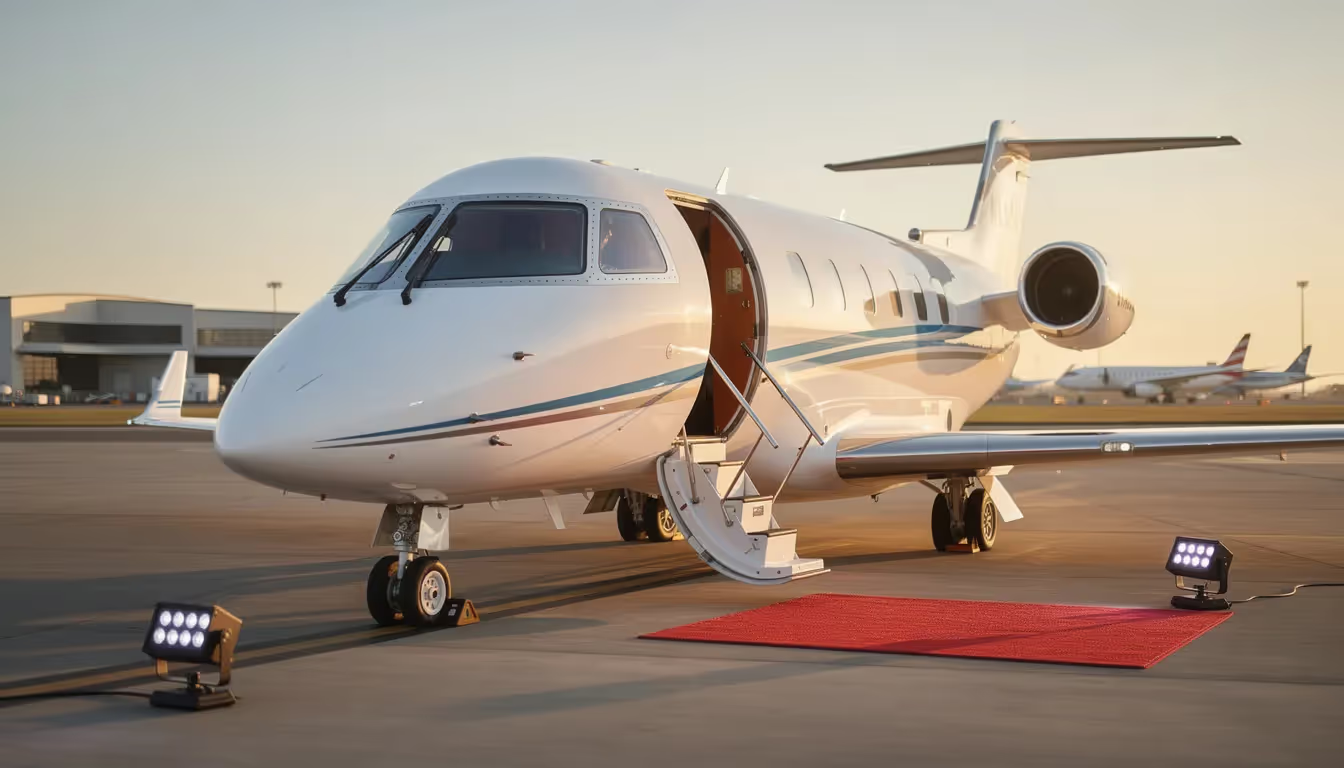
Private jet travel is no longer reserved for billionaires and celebrities. Thanks to new innovations and changing market dynamics, affordable private aviation is now within reach for more people than ever before.
From economical light jets like the Cirrus Vision Jet to innovative business models like Hoppyn’s empty leg membership, flying private is no longer just about luxury — it’s about freedom, time savings, and smart value.
If you're wondering how to experience private flight without spending tens of thousands per trip, this guide will walk you through the best low-cost private jet options available today — including ownership models, chartering, empty leg flights, and everything in between.
Types of Private Jets
Very Light Jets (VLJs)
VLJs are small, efficient aircraft typically designed for 2 to 5 passengers. They’re perfect for short-range business or leisure trips. Their compact size reduces operating costs, making them among the most affordable options for private air travel.
Popular VLJs:
Cirrus Vision Jet
Eclipse 500
HondaJet Elite
These jets often feature single-pilot operation, modern avionics, and stylish interiors — all at a fraction of the cost of traditional private jets.
Light Jets
Light jets offer more space and range than VLJs, usually accommodating 6 to 8 passengers. They balance performance with cost-effectiveness, making them ideal for frequent business travelers.
Top options include:
Cessna Citation Mustang
Embraer Phenom 300
Beechcraft Premier I
Midsize and Heavy Jets
While midsize and heavy jets come with higher acquisition and operating costs, they offer transcontinental range, spacious cabins, and onboard amenities such as enclosed lavatories and full galleys.
Examples:
Gulfstream G200 (midsize)
Gulfstream G450 (heavy)
Bombardier Challenger 650
If you're flying long distances or with large groups, these jets offer a premium experience — but they also require a higher budget.
Turboprop Aircraft
Turboprops like the Pilatus PC-12 and King Air 350i are workhorses of short-range private aviation. They're fuel-efficient, rugged, and often able to land on smaller, remote runways — perfect for weekend getaways or regional hops.
Economical Private Jets to Consider
HondaJet
Honda's entry into the aviation industry has been successful. The HondaJet boasts a sleek design, unique over-the-wing engines, and impressive fuel efficiency.
Seating: 5–6 passengers
Range: ~1,400 nautical miles
Cost: ~$5.3 million new
Ideal for: Entrepreneurs, regional business travel, and first-time jet buyers.
Cirrus Vision Jet
Touted as the world’s most affordable private jet, the Cirrus Vision Jet is perfect for solo or duo travel.
Seating: 5 (1 pilot + 4 passengers)
Range: ~1,200 nautical miles
Cost: ~$2 million new
Bonus: It comes with a whole-plane parachute system — a Cirrus innovation that enhances safety.
Embraer Phenom 100
A top contender in the VLJ category, the Phenom 100 is stylish, fast, and pilot-friendly.
Seating: 4–6 passengers
Range: ~1,180 nautical miles
Cost: ~$4.5 million new
Cessna Citation CJ3+
A solid step up, the CJ3+ offers better performance and comfort than smaller jets, while still being relatively affordable.
Seating: 7–9 passengers
Range: ~2,000 nautical miles
Cost: ~$8 million new
Affordable Private Jet Options Without Ownership
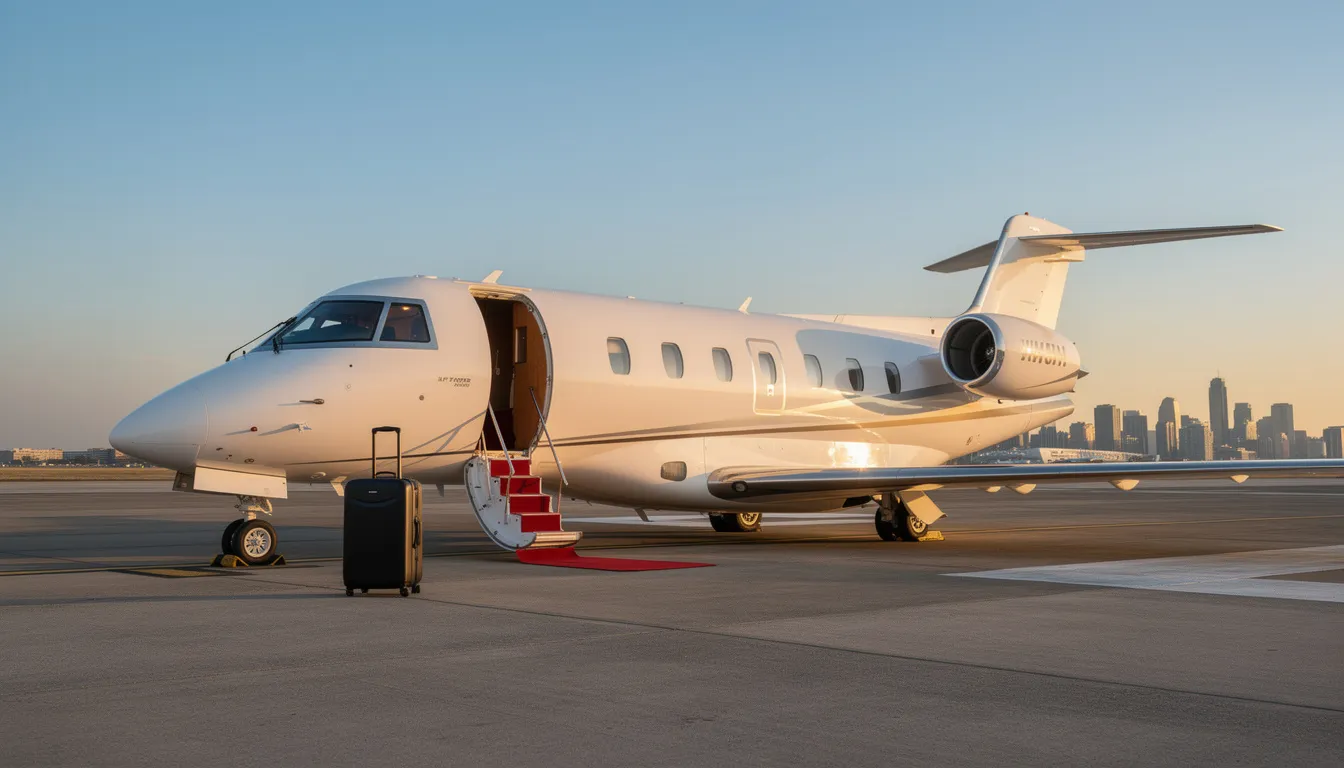
1. Chartering Private Jets
Chartering lets you book a jet for a specific trip without the responsibility of ownership. It’s flexible, convenient, and surprisingly competitive — especially for short flights.
Pros:
No long-term commitment
Access to a variety of aircraft
Pay-per-trip pricing
Cons:
Pricing varies based on availability
It can be expensive during peak travel periods
A 1-hour flight on a light jet might cost $3,000–$5,000, depending on demand.
2. Empty Leg Flights (Hoppyn’s Specialty)
Empty legs are repositioning flights with no passengers — meaning they can be booked at deep discounts.
Why they’re affordable:
Operators want to recover costs rather than fly empty
You can fly private at up to 75% off standard charter rates
Hoppyn takes it even further:
For a flat annual membership, you can book unlimited empty leg flights without paying per-trip fees. Learn more
3. Jet Cards and Memberships
Jet cards offer prepaid hours or credits with a specific operator. You lock in rates and get guaranteed availability — a great middle ground between chartering and owning.
Some providers now offer lower-tier memberships with access to select routes or off-peak pricing.
Examples:
XO
Wheels Up
Jet It
4. Fractional Ownership
For those flying over 50 hours per year, fractional ownership offers real jet equity — without the full commitment.
You own a share (e.g., 1/16th) of a jet and pay a monthly management fee plus an hourly usage fee.
Best for: Frequent flyers who want consistent access to aircraft and concierge-level service.
Cost Analysis: What Does a Private Jet Really Cost?
Purchase Price
VLJs: $2M–$5M
Light jets: $4M–$10M
Midsize jets: $9M–$17M
Heavy jets: $20M+
Used jets can be significantly cheaper, but may require higher maintenance.
Operating Costs
Typical annual expenses include:
Fuel: $400–$1,000 per flight hour
Maintenance & inspections
Pilot/crew salaries
Insurance
Hangar/storage fees
Management services
Annual costs for a light jet can range from $500K–$1M depending on usage.
For many, chartering or using Hoppyn’s empty-leg model is significantly more cost-effective.
Benefits of Flying Private
Save time: Skip security lines, arrive minutes before departure, and land closer to your destination
Flexibility: Choose your schedule and destination
Privacy & security: Travel without strangers
Comfort: Work, relax, or sleep in a quiet, spacious cabin
Productivity: Especially for business travelers — no layovers or delays
Flying private isn’t just a luxury — it’s a strategic upgrade for busy lives.
Chartering Large Jets: Worth It?

When It Makes Sense
If you’re flying internationally or with 8+ passengers, a large cabin jet like a Gulfstream, Challenger, or Falcon might be the right fit.
Benefits:
Longer range
Stand-up cabins
Full-service galleys
Onboard Wi-Fi, entertainment, and beds
The Cost Breakdown
Hourly rate: $6,000–$13,000
Fuel surcharges, landing fees, and crew overnights can add up
If you’re flying occasionally, chartering a heavy jet can still be cheaper than owning, especially if you're sharing the cost among a group or company.
Choosing the Right Aircraft for Your Needs
Consider these factors:
Trip distance (short haul vs transcontinental)
Passenger count
Luggage capacity
Airport access (short runways may require turboprops or VLJs)
Budget (both per trip and annually)
Not sure? Platforms like Hoppyn let you explore aircraft types via real flight listings, helping you understand what’s realistic for your needs.
Private Jet Ownership: Is It Worth It?
For some, owning a jet means total freedom and control. For others, it’s an unnecessary expense.
Pros:
Always available
Full customization
Potential tax advantages
Cons:
High fixed costs
Maintenance headaches
Crew, hangar, and insurance requirements
Depreciation
Unless you’re flying 300+ hours per year, alternatives like empty leg memberships, charter, or fractional ownership often make more sense.
Frequently Asked Questions (FAQs)
What is the cheapest private jet available today?
The Cirrus Vision Jet is often recognized as the cheapest private jet on the market, with a new model priced around $2 million. It offers modern technology, safety features like a whole-plane parachute, and efficient performance, making it a cost-effective choice for budget-conscious buyers.
How much does it cost to charter a low-cost private jet?
Chartering a private jet can cost between $2,000 and $14,000 per billable flight hour, depending on the aircraft type and size. Very Light Jets and turboprops are on the lower end of the scale, making them economical options for short trips and regional flights.
What are the ongoing ownership costs of a private jet?
Ownership costs include fuel costs, maintenance, pilot and crew salaries, insurance, hangar fees, storage costs, and other expenses. These recurring costs can add up to hundreds of thousands of dollars annually, so it’s essential to consider them alongside the purchase price.
Can I access smaller airports with low-cost private jets?
Yes, one of the key advantages of many affordable aircraft options, especially VLJs and turboprops, is their ability to access smaller airports and shorter runways, providing greater flexibility and convenience compared to commercial flights.
What financing options are available for purchasing a private jet?
Buyers can explore financing through banks or specialized aviation lenders. Leasing and fractional ownership are also popular choices that can reduce upfront costs and provide cost savings on ownership costs and operational expenses.
Is chartering better than owning a private jet?
For those flying less than 100 hours per year, chartering is often more cost-effective, offering flexibility without the burden of maintenance, crew management, and other ownership responsibilities. Ownership is better suited for frequent flyers who value full control and customization.
How do technological advancements impact low-cost private jets?
Technological advancements have led to more fuel-efficient and reliable aircraft with advanced technology and modern avionics. This results in lower operating costs, enhanced safety, and a better overall experience in private aviation.
Are international flights possible with low-cost private jets?
While many VLJs and light jets have limited range suitable for regional travel, some midsize and heavy jets can handle international flights. Chartering options also provide access to a variety of aircraft capable of longer distances without ownership commitments.
What should first-time buyers consider when purchasing a private jet?
Key factors include regulatory compliance, total cost of ownership, including storage and hangar fees, aircraft options that fit their travel needs, and ensuring a proven track record of the aircraft’s reliability and maintenance history.
How can I reduce the carbon emissions of private jet travel?
Some operators offer carbon offset programs to help mitigate the environmental impact of private travel. Choosing fuel-efficient aircraft and optimizing flight routes are additional ways to lower carbon emissions.
Final Thoughts: The New Era of Affordable Private Aviation
Private jet travel is evolving. What used to be exclusive is now increasingly accessible, transparent, and affordable.
Thanks to innovations like empty leg memberships from Hoppyn, you don’t need to own a jet to experience the benefits of flying private.
Whether you're looking for a one-time experience or want to make it a part of your lifestyle, there’s a low-cost private jet option that fits your goals and budget.
Ready to Fly Private Without the Price Tag?
Join Hoppyn and explore daily updated empty-leg flights around the world — all for one flat annual membership.
Browse Flights or Become a Member Today




Unlock Your Private
Jet Experience
Join our exclusive membership for
free flights today!

Explore More
Blogs


Join Our Exclusive
Newsletter
.png)