The Ultimate Guide to Choosing Your Personal Jet: Options and Insights



Private aviation offers a unique combination of freedom, flexibility, and efficiency that commercial air travel simply can’t match. Whether you’re a frequent traveler seeking convenience or a business executive valuing time above all, owning or accessing a private jet opens up a world of possibilities.
At the beginning of very light jet projects, there was significant early market interest in this class of aircraft, which helped shape the evolution of small business jets and set new trends in private aviation.
The private aviation market has seen massive growth over the past decade. With innovations in aircraft design, expanded charter options, and new membership models like empty leg flight access from platforms like Hoppyn, it’s more accessible than ever.
This guide breaks down the different types of private jets, performance considerations, ownership vs. rental strategies, and more — so you can make an informed decision about the right aircraft for your needs. Discover the world's first personal jet and explore innovative options in the personal jet class.
Introduction to Private Aviation
Private aviation represents the pinnacle of personalized travel, offering a level of flexibility, comfort, and convenience that commercial airlines simply cannot match. Whether you’re flying for business or leisure, private aviation gives you the freedom to set your own schedule, access a vast range of airports—including those in remote or underserved locations—and enjoy a cabin environment tailored to your preferences. The world of private aviation encompasses a diverse array of aircraft, from nimble very light jets (VLJs) designed for short hops to spacious business jets built for intercontinental journeys. Each aircraft is engineered to deliver specific benefits, whether it’s maximizing range, enhancing cabin comfort, or providing rapid access to your intended destination. For individuals and companies alike, the ability to fly on demand and bypass the constraints of commercial travel unlocks a host of advantages, making private aviation an essential tool for those who value time, privacy, and efficiency. As the industry continues to evolve, more people around the world are discovering the unique benefits and possibilities that private aviation can offer.
Types of Private Jets
Very Light Jets (VLJs)
VLJs are compact, fuel-efficient aircraft perfect for short-range hops. VLJs are considered the lightest business jet class and are approved for single-pilot operation following certification by aviation authorities. Seating 4–8 passengers, these jets are ideal for solo executives or small groups who need quick regional travel.
Best For: Short-range business or personal trips
Popular Models: Embraer Phenom 100, Cessna Citation Mustang, Eclipse 500
Range: Up to 1,000 miles
VLJs can operate from runways as short as 3,000 ft (910 m).
VLJs typically seat between 4 to 6 passengers, with a max range of up to 1,200 miles.
The Cirrus Vision Jet holds the title of the most-delivered VLJ, with 615 delivered from 2016 through 2024.
The Cirrus Vision Jet is the first single-engine production VLJ, beginning deliveries in December 2016, while the Cessna Citation Mustang was the first production VLJ, first delivered in November 2006.
Many VLJs are designed for practical travel and come with a higher, but justifiable, price point.
Light Jets
Light jets hit the sweet spot for many travelers. They offer more cabin space and range than VLJs while still maintaining relatively low operating costs.
Best For: Frequent flyers, weekend getaways, quick business routes
Features: Advanced avionics, cabin comfort, modern connectivity
Midsize, Super Midsize, and Large Jets
As you scale up in size, you gain range, cabin space, and performance.
Midsize Jets: Ideal for coast-to-coast flights with up to 8 passengers
Super Midsize: Add more speed and a quieter, smoother ride
Large Jets: Ultimate comfort, long-range travel, and luxury interiors for 10+ passengers
Ultra-Long-Range Jets: Can cost between $10 million and $100 million or more, with models including Gulfstream and Bombardier Global. The Gulfstream G700 features the largest cabin in business aviation, a max range of 7,750 nautical miles, up to five living areas, including a grand suite with a shower, twenty panoramic oval windows, 100% fresh plasma-ionized air replenished every two to three minutes, and Jet ConneX Ka-band Wi-Fi for reliable high-speed coverage.
Other Key Considerations
Range: How far can the aircraft fly without refueling?
Speed: Faster travel means less time in the air
Cabin layout: Do you need lie-flat seats, a lavatory, or space to work? Cabin layout is a matter to consider for comfort and functionality.
Runway access: The ability to use shorter runways is a matter that can affect your choice of personal jet.
Operational costs: Ongoing expenses are a significant matter when evaluating jet options.
Single-Pilot Operation: Reduces complexity and cost for VLJs and select light jets
Very Light Jet Options
The VLJ category has expanded rapidly as demand for affordable, point-to-point private travel has increased.
At the beginning of the VLJ market, there was a surge in interest from customers such as small business owners, individual private pilots, and air taxi operators, all seeking cost-effective and flexible personal jet solutions tailored to their specific transportation needs.
Notable VLJ Models
Embraer Phenom 100: Well-built with a spacious cabin
Cessna Citation Mustang: A reliable, cost-effective choice
Eclipse 500: Economical and easy to operate (first customer deliveries began in September 2006)
What to Look For
Maintenance Support: Is the manufacturer still in business?
Operating Costs: Fuel efficiency and insurance premiums
Resale Value: VLJs typically have strong resale markets
Technology: Modern avionics improve safety and pilot experience
Exceeding Expectations: Some VLJ models surpass customer and industry expectations in performance, reliability, and service.
Light Jet Features
Light jets are workhorses of the private aviation world, blending performance, comfort, and value.
Performance and Comfort
Speed: Cruise at 400–500 mph
Cabin Size: Room for 6–8 passengers with stand-up interiors in newer models; for example, many light jets now offer interior heights of around 4.8 ft and cabin lengths up to 17 ft
Tech Amenities: Wi-Fi, satellite phones, entertainment screens
Cargo: Plenty of luggage space for golf clubs or weekend bags
These jets offer efficiency and comfort, whether you’re flying for work or leisure.
Cabin Comfort and Design
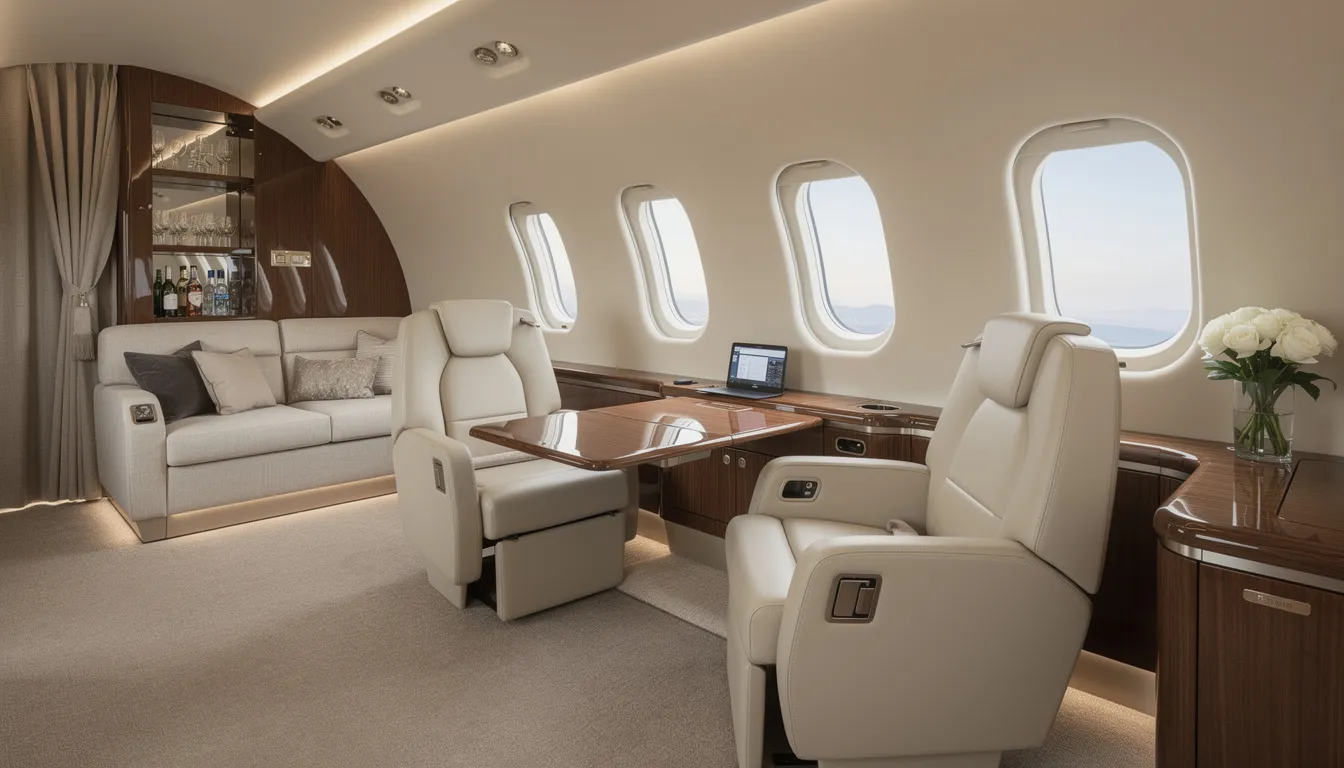
A luxurious cabin design can elevate your flight from simply convenient to truly exceptional.
Essentials of Jet Interiors
Seating: Ergonomic, leather-appointed, with recline and swivel features
Lighting: Adjustable LED lighting to match the mood and time of day
Climate Control: Zoned cooling/heating for maximum passenger comfort
Noise Reduction: Quiet cabins allow for work or rest
Design Tips
Customize for your typical passenger count
Prioritize layout over aesthetics — functionality matters in small spaces
Consider high-end materials that are durable and easy to maintain
Private Jet Performance and Range
Your jet’s range and performance will define what kind of trips you can take. For example, light personal jets typically have a max range of around 1,200 to 1,500 miles, while midsize jets can reach a max range of up to 3,000 miles. Additionally, max takeoff distance varies by category, with very light jets often requiring a max takeoff distance of about 3,000 feet.
Key Metrics
Cruise Speed: Faster aircraft can shorten cross-country trips by hours
Climb Rate: Faster ascent means less time in turbulence
Range: Determine how far you can fly non-stop
Runway Requirements: Can the aircraft land at your desired airport?
For example, Hoppyn lists empty leg flights globally, including short hops and long-range routes. Knowing your jet’s capabilities will help you spot matching flights.
Avionics and Navigation
Avionics and navigation systems are at the heart of every modern aircraft, playing a crucial role in ensuring safe, efficient, and reliable flight operations. These advanced technologies have transformed the aviation industry by significantly reducing pilot workload, enhancing situational awareness, and improving overall flight safety. Today’s pilots rely on sophisticated avionics to manage everything from flight planning to real-time decision-making, allowing them to operate aircraft with greater confidence and precision. As private aviation continues to grow, the integration of cutting-edge avionics and navigation systems remains a key factor in delivering a seamless and secure flying experience for both pilots and passengers.
Modern Cockpit Technologies
The evolution of cockpit technology has brought about a new era in private aviation, with features designed to make flying safer and more intuitive than ever before. Modern aircraft are equipped with glass cockpits—digital displays that replace traditional analog gauges—providing pilots with clear, real-time information about every aspect of the flight. Advanced flight management systems streamline navigation and automate complex tasks, while autopilot and autothrottle features help maintain optimal flight conditions and reduce pilot fatigue, especially on longer journeys. These innovations not only enhance safety but also allow pilots to focus on critical decision-making, ensuring a smoother and more enjoyable flight for everyone on board. Additionally, the integration of these features means that even single-pilot operations can be conducted with a high degree of safety and efficiency, making private aviation more accessible and reliable.
Navigation Systems to Know
Effective navigation is essential for safe and efficient flight, and today’s private jets are equipped with a suite of sophisticated systems to help pilots chart the best course. GPS (Global Positioning System) provides precise, real-time location data, while INS (Inertial Navigation System) offers reliable backup navigation even when satellite signals are unavailable. VOR (VHF Omnidirectional Range) stations remain a staple in aviation, guiding aircraft along established airways. The seamless integration of these navigation systems within modern avionics suites allows pilots to plan and execute flights across a wide range of routes and airspace environments. By learning how to utilize these technologies, pilots can maximize the range and efficiency of their flights, ensuring that every journey is as safe and direct as possible.
Safety Features and Technologies
Safety is the cornerstone of the aviation industry, and private jets are equipped with a host of features and technologies designed to protect both passengers and crew. Over the years, the industry has made remarkable strides in developing systems that not only prevent accidents but also mitigate risks in the event of an emergency. From robust aircraft construction to state-of-the-art onboard systems, every aspect of private aviation is engineered with safety in mind. Operators across the industry are committed to upholding the highest standards, continually adopting new technologies and best practices to ensure that every flight meets or exceeds regulatory requirements. These ongoing advancements provide peace of mind for owners, operators, and passengers alike, reinforcing private aviation’s reputation as one of the safest ways to travel.
Essential Safety Systems
Private jets are equipped with a comprehensive array of safety systems designed to address a wide range of potential scenarios. Emergency oxygen systems ensure that passengers and crew remain safe in the event of cabin depressurization, while fire suppression systems provide rapid response to onboard incidents. Weather radar technology allows pilots to detect and avoid hazardous conditions, further enhancing flight safety. Additionally, advances in aircraft design and materials have resulted in stronger, more resilient airframes that offer greater protection in the unlikely event of an accident. Many operators have also implemented Safety Management Systems (SMS), which take a proactive approach to identifying and managing risks through continuous monitoring, training, and improvement. By combining these essential features with a culture of safety throughout the industry, private aviation continues to set the standard for secure and reliable air travel, giving everyone on board the confidence and peace of mind they deserve.
Budgeting and Financing
Buying a jet is a major investment. That’s why financing, budgeting, and long-term planning are key.
Costs to Consider
Purchase Price: VLJs may start around $2–3 million; large jets exceed $20M+
Operating Costs: Fuel, maintenance, crew, insurance
Depreciation: Aircraft value drops over time
Hangar Fees: Storage at your home airport
Financing Options
Loans: Traditional and aviation-specialized lenders
Leases: Operating leases offer flexibility
Fractional Ownership: Share an aircraft and reduce upfront costs
Membership Models: Like Hoppyn, where you pay an annual fee instead of owning
Private Jet Charter and Rental

Not ready to buy? Chartering or using membership offers all the benefits of private flying — without the commitment.
Reliable service, including comprehensive after-sales support and attentive customer service, is a key aspect of private jet charter and rental, ensuring a seamless and satisfying experience for every flight.
Charter and Membership Options
On-Demand Charter: Pay per flight
Jet Cards: Prepay for hours on specific aircraft types
Memberships: Hoppyn’s model offers access to free unlimited empty-leg flights for an annual flat fee
Fractional Ownership: Own a share of a jet
Benefits of Renting
No maintenance or crew management
Choose different aircraft depending on your trip
Great for infrequent flyers or first-time private travelers
Industry Trends and Developments
Private aviation is rapidly evolving with tech-driven innovations and sustainable strategies. New jet engines and aircraft are being produced using advanced technology and sustainable practices, reflecting the industry's commitment to efficiency and environmental responsibility.
Top Trends to Watch
Sustainable Aviation Fuels (SAFs): Reducing the environmental impact
Electric Aircraft: Short-haul electric jets in development, with some new electric or hybrid propulsion systems designed to be 'plug & play' for quick installation and operation
Digital Booking: Platforms like Hoppyn make flight discovery fast and simple
More Empty Leg Access: Operators now list these flights more transparently
Staying informed lets you make smarter decisions — whether you’re buying or flying.
Additional Considerations
Don’t Forget These Essentials
Insurance: Premiums vary based on aircraft size and usage
Maintenance Plan: Can be scheduled or on-demand
Storage: Secure hangar space may be limited in urban airports
Pilot Requirements: Single vs dual pilot, certifications, and training
Owning a jet is rewarding but comes with responsibilities. Weigh the pros and cons against how often you plan to fly.
Finalizing Your Decision
You’ve explored jet types, budget ranges, performance specs, and even lifestyle considerations. Now what?
It’s important to consider the reality of personal jet ownership: actual range may be less than expected, costs can be high beyond the purchase price, and operational factors like maintenance and crew requirements play a major role in day-to-day use.
Your Next Steps
Shortlist models that fit your typical routes
Book demo flights or charters to experience aircraft firsthand
Talk to experts — brokers, consultants, or aircraft management companies
Compare ownership vs membership — especially if empty legs could suit your needs
Remember, your jet should fit your lifestyle — not the other way around.
The Private Aviation Community
When you fly private, you join an exclusive group that values efficiency, comfort, and freedom. Whether you're on the road for business or leisure, a personal jet offers unmatched convenience and comfort, ensuring your travel experience is seamless wherever you go.
Benefits of Getting Involved
Networking: Join associations like NBAA or regional flying clubs
Events: Attend airshows and private aviation expos
Education: Stay up to date on new models, tax laws, and industry insights
You don’t have to own a jet to belong — even Hoppyn members flying empty leg flights are part of the modern private aviation movement.
Frequently Asked Questions (FAQs)
What is a personal jet?
A personal jet is a private aircraft owned or chartered for individual or business use, offering flexibility, privacy, and convenience compared to commercial flights. These jets range from very light jets (VLJs) to larger light and midsize jets. The Cirrus Vision Jet holds the title of the most-delivered VLJ in recent years.
How many passengers can a personal jet typically seat?
Personal jets vary in size, but most very light jets seat between 4 and 8 passengers, while light jets and larger models can accommodate more, often up to 10 or more passengers, depending on the configuration.
What is a Very Light Jet (VLJ)?
A Very Light Jet is a small, efficient business jet designed for short-range travel, typically seating 4 to 8 passengers. VLJs are intended for single-pilot operation and can operate from shorter runways, making them practical for regional flights. These jets undergo a certification process by aviation authorities, which includes regulatory approval for single-pilot operation to ensure they meet industry safety standards.
Are personal jets safe to fly?
Yes, personal jets incorporate advanced avionics, safety features, and pilot training to ensure safety. Models like the Cirrus Vision Jet include innovative systems such as airframe parachutes and autoland capabilities to enhance passenger protection and pilot confidence.
What are the typical operating costs of owning a personal jet?
Operating costs include fuel, maintenance, crew salaries, insurance, hangar fees, and regulatory compliance. These can range widely based on the jet’s size and usage, but typically fall between $500,000 and $1.2 million annually, with max annual operating costs for a personal jet reaching up to $1.5 million in some cases.
Can I fly a personal jet with a single pilot?
Many personal jets, especially those in the very light jet (VLJ) class and some light jets, are certified for single-pilot operation, reducing pilot workload and operational costs. The VLJ class, in particular, is specifically certified for single-pilot operation, making it a popular choice for owner-operators.
How far can a personal jet fly?
Range varies by model. VLJs typically offer ranges up to about 1,200 miles, while larger light and midsize jets can fly coast to coast or longer without refueling. Some personal jets can also operate from runways as short as 3,000 ft, making them suitable for smaller airports.
What is the difference between owning and chartering a personal jet?
Owning a jet provides full access and customization but involves higher upfront and ongoing costs. Owners also benefit from dedicated service and support for their aircraft, ensuring reliable after-sales assistance and maintenance. Chartering offers flexibility without maintenance responsibilities, ideal for those flying less frequently.
What should I consider when choosing a personal jet?
Consider your typical travel distances, passenger count, budget, runway access, desired cabin comfort, and whether you prefer single-pilot operation. Also, factor in operating costs and maintenance support. Some personal jets exceed expectations in terms of performance and comfort, offering more than what many buyers anticipate.
How can I find empty leg flights for private jets?
Platforms like Hoppyn offer membership models giving access to unlimited empty leg flights, allowing you to enjoy private aviation benefits at a reduced cost without owning an aircraft. Discover available empty leg flights through platforms like Hoppyn and explore new ways to experience personal jet travel.
Conclusion: Ready to Choose Your Jet?
Private aviation opens the door to freedom on your terms — but your first step is choosing the right aircraft for your needs.
Whether you’re exploring VLJs, light jets, or just browsing empty leg deals through Hoppyn, the key is to align your jet experience with your lifestyle, travel frequency, and financial goals.
Explore Empty Leg Flights with Hoppyn
If you’re not ready to own, but want to fly private regularly, consider Hoppyn’s membership — giving you access to unlimited empty leg private jet flights for one transparent annual fee.




Unlock Your Private
Jet Experience
Join our exclusive membership for
free flights today!

Explore More
Blogs


Join Our Exclusive
Newsletter
.png)