
Private Jet Cost in 2026: Ownership, Charter, and Empty Legs Explained


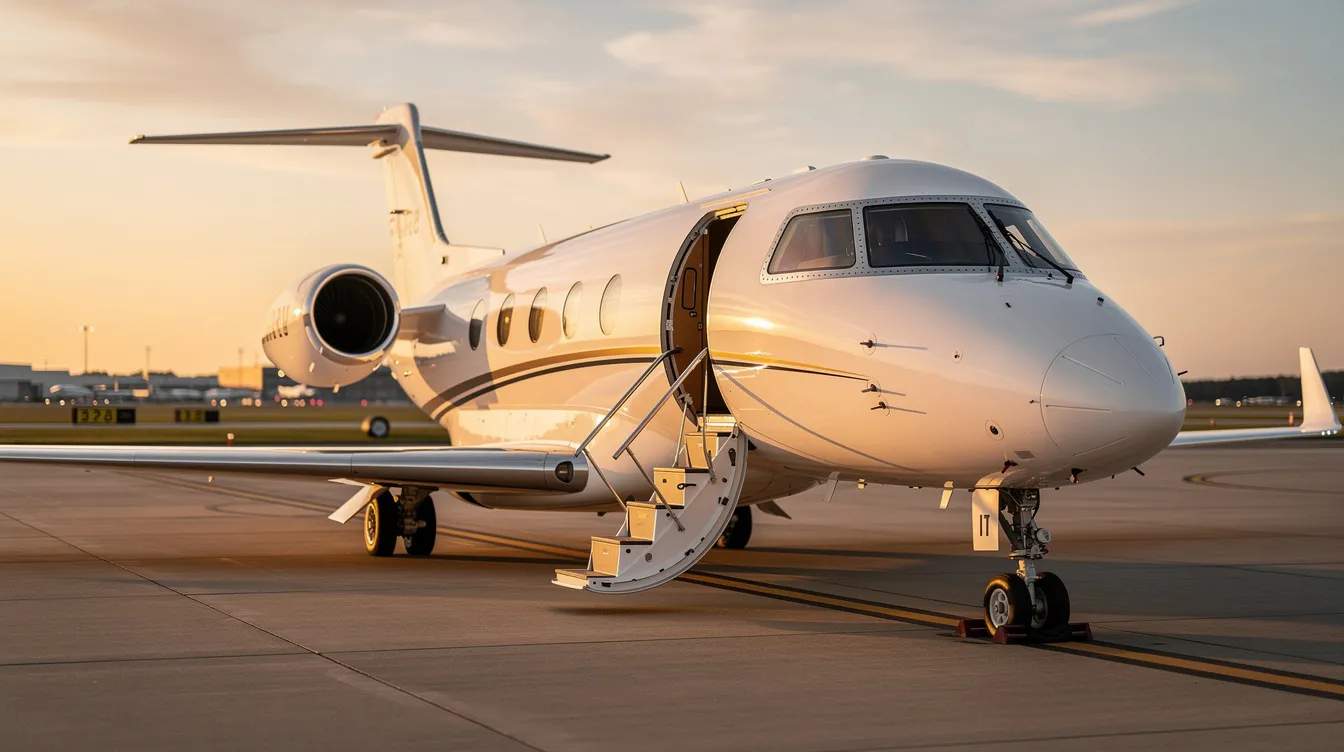
Think private jets are only for billionaires? The numbers tell a more interesting story. Whether you're considering chartering a private jet for a one-off trip, buying an aircraft outright, or tapping into empty leg flights at a fraction of the cost, the real price of flying private in 2026 depends on how you access the plane - not just which plane you pick. This guide breaks down every cost layer so you can make a smart decision.
Key Takeaways
In 2026, private jet rental prices range from $2,300 to $17,000 per hour, with VIP airliners costing between $18,000 and $23,000 per hour.
Your total trip cost is often 20–40% higher once taxes, fees, and repositioning are added.
Buying a private jet outright starts around $2 million for used very light jets and can exceed $100 million for new ultra-long-range jets, plus $500,000 to $2 million or more per year in ownership costs.
Empty leg flights can save travelers up to 75% versus standard charter rates, making them the most affordable way to fly private per hour - if you have scheduling flexibility.
Hoppyn offers access to thousands of empty leg flights worldwide for a flat $997/year membership with no per-flight cost, no hidden fees, and no hourly charter invoices.
The right access model depends on your annual flight hours, flexibility, and whether you can work with empty leg schedules instead of booking on-demand charter every time.
How Much Does It Cost to Fly on a Private Jet in 2026?
There are three main ways to fly private: chartering a private jet on demand, where you book the entire aircraft with crew rather than individual seats, owning a private aircraft, and using empty leg or membership programs. Each carries a very different cost structure.
Here are the 2026 benchmarks:
Charter per hour rates: Turboprops range from $2,300 to $3,500 per hour, light jets cost between $3,750 and $4,600 per hour, midsize jets are priced from $4,700 to $7,500 per hour, large jets fall between $8,500 and $17,000 per hour, and VIP airliners command rates from $18,000 to $23,000 per hour
Purchase prices: Very light jets from ~$2–5M new, midsize jets $16–25M, ultra-long-range aircraft $70–80M+
Annual operating costs: Light jets ~$450K–$900K/year fixed; large cabin jets $1.4–2M+/year fixed; variable costs add $1,800–$9,500/hr on top
To put this in perspective: a New York to Miami charter flight on a light jet runs roughly $12,500–$16,000 before taxes and fees. Add in the 7.5% federal excise tax, landing fees, and crew expenses, and you're looking at $16,000–$20,000 all-in. That same route as an empty leg flight might cost $3,000–$6,000 if you find one. As a Hoppyn member, a confirmed empty leg on that route costs you nothing beyond the $997 annual fee.
The phrase "how much does it cost" to fly private only makes sense when you account for the total cost - taxes, fees, and aircraft positioning - not just the headline per hour rate.
Private Jet Price Ranges by Aircraft Category
Aircraft category is the single biggest factor driving both purchase price and private jet charter costs. Categories range from very light jets to ultra-long-range jets, and each serves a different mission profile.
2026 purchase price ranges (new vs. used):
Very light jets: ~$2–5M new, ~$1–3M used
Light jets: ~$8–16M new, ~$3–9M used
Midsize jets: ~$16–25M new, ~$8–15M used
Super midsize jets: ~$25–35M new, ~$10–25M used
Large cabin jets: ~$35–60M new, ~$12–35M used
Ultra long range jets: ~$70–80M+ new, ~$30–50M+ used depending on hours and condition
2026 charter cost ranges per hour:
Turboprops: $2,300–$3,500
Very light jets: $2,500–$3,750
Light jets: $3,750–$4,600
Midsize jets: $4,700–$7,500
Super midsize jets: $5,500–$9,000
Large cabin / heavy jets: $8,500–$17,000
Ultra long-range jets: $12,000–$17,000+
Aircraft size, age, and interior configuration all push prices within these bands. A newer, low-hour super light jet will charter at the higher end; an older airframe with high flight hours trends lower.
Very Light and Light Jets: Entry-Level Private Jets
Very light jets typically seat 4–6 passengers with a range of 800–1,200 nautical miles - ideal for quick regional trips. Light jets stretch to 6–8 seats and a 1,500–2,000 nm range. Both categories let you access smaller airports that larger aircraft can't reach, which cuts down on ground transportation time.
2026 cost snapshot:
Cirrus Vision Jet SF50: ~$3.2–3.6M new, ~$2.1–2.8M pre-owned. Operating costs are around $800–$1,000 per flight hour for fuel and routine maintenance.
Cessna Citation CJ3+: ~$9–10M new, ~$6–9M mid-life used. Annual fixed costs around $450K–$700K including crew salaries, insurance, and hangar fees.
Eclipse 500/550: Pre-owned from ~$1.5–2.5M. Among the most efficient aircraft in the VLJ category.
For an owner flying 200 hours per year, a light jet's total annual budget typically lands between $600K and $1.2M when you combine fixed and variable costs. Light jets range from $3,750 to $4,600 per hour on the charter market, making them the most economical private jet service option for domestic flights under 1,500 miles.
Passenger count matters here. If you're filling 6 seats, per-person charter cost drops to roughly $1,500–$2,500 per flight on a 2-hour trip - closer to first-class commercial pricing than most people expect.
Midsize and Super-Midsize Jets: More Space and Range
Step up to midsize and super midsize jets and you get more cabin space, full stand up cabins in most models, and ranges of 2,000–4,000+ nautical miles. That means coast-to-coast flights or transcontinental missions without fuel stops.
2026 acquisition and operating ranges:
Midsize jets (e.g., Embraer Praetor 500, Hawker 800XP): $5–20M used depending on aircraft age and condition. Charter rates of $4,700–$7,500 per hour. Annual fixed costs around $800K–$1.2M.
Super midsize jets (e.g., Bombardier Challenger 300, Citation Longitude): $10–30M depending on year and spec. Charter rates of $5,500–$9,000 per hour. Variable costs run $2,500–$4,000 per flight hour.
At roughly 250–300 annual flight hours, an owner of a midsize jet might spend $1.5–$2.5M per year all-in. Many corporate fleets favor this aircraft category for routine business jets missions - enough range for an international flight to the Caribbean or a nonstop cross-country trip, without the fuel burn and crew expenses of a heavy jet.
Midsize jets cost between $4,700 and $7,500 per hour on the charter market, which makes them a solid middle ground between economical light jets and the top-end heavy or ultra long range jets.
Large Cabin and Ultra Long Range Jets: Top-End Private Jets
Heavy jets and ultra long range aircraft are the top of the private aviation food chain. These planes seat 12–19 passengers, feature stand up cabins with dedicated sleeping areas, and can fly intercontinental routes - think New York to Tokyo nonstop.
2026 pricing:
Gulfstream G650/G650ER: Used market ~$30–45M depending on hours and condition. New G700 lists near $78M+.
Bombardier Global 6000/7500: Used from ~$25–45M. New Global 7500 around $75M.
Large jets rent for $8,500 to $17,000 per hour on the charter market.
Annual fixed costs for this class: $1.4–2M+ including crew salaries, insurance, hangar fees, and management.
Larger aircraft require more fuel and crew, which increases rental costs substantially. A transatlantic charter flight on a heavy jet can easily reach $100,000+ once you factor in the long flight time, fuel surcharges, crew overnights, and customs handling for international trips.
Only a small fraction of individuals and corporations actually buy this class of private plane. Most people who need ultra long range capability charter or tap into empty leg flights when a large cabin jet happens to be repositioning on their route.
Key Drivers of Private Jet Cost Beyond Size and Brand
Aircraft category is only one piece of private jet pricing. Several other factors heavily affect what you pay - whether you're buying, chartering, or flying an empty leg.
Major cost drivers:
Airframe age and total flight hours: Older aircraft with high flight hours typically have lower purchase prices but higher maintenance costs. Aircraft age can increase rental rates by $100 to $1,000 per hour compared to newer models of the same aircraft type.
Engine program enrollment: Jets "on-program" (enrolled in manufacturer maintenance plans like Rolls-Royce CorporateCare or Pratt & Whitney ESP) hold value better and cost less to maintain. Off-program engines can require $1–2M per engine for overhaul on large jets.
Avionics upgrades: Modern cockpit systems (ADS-B Out, FANS, CPDLC) are increasingly required for international airspace. Upgrading avionics on an older jet can cost $200K–$1M+.
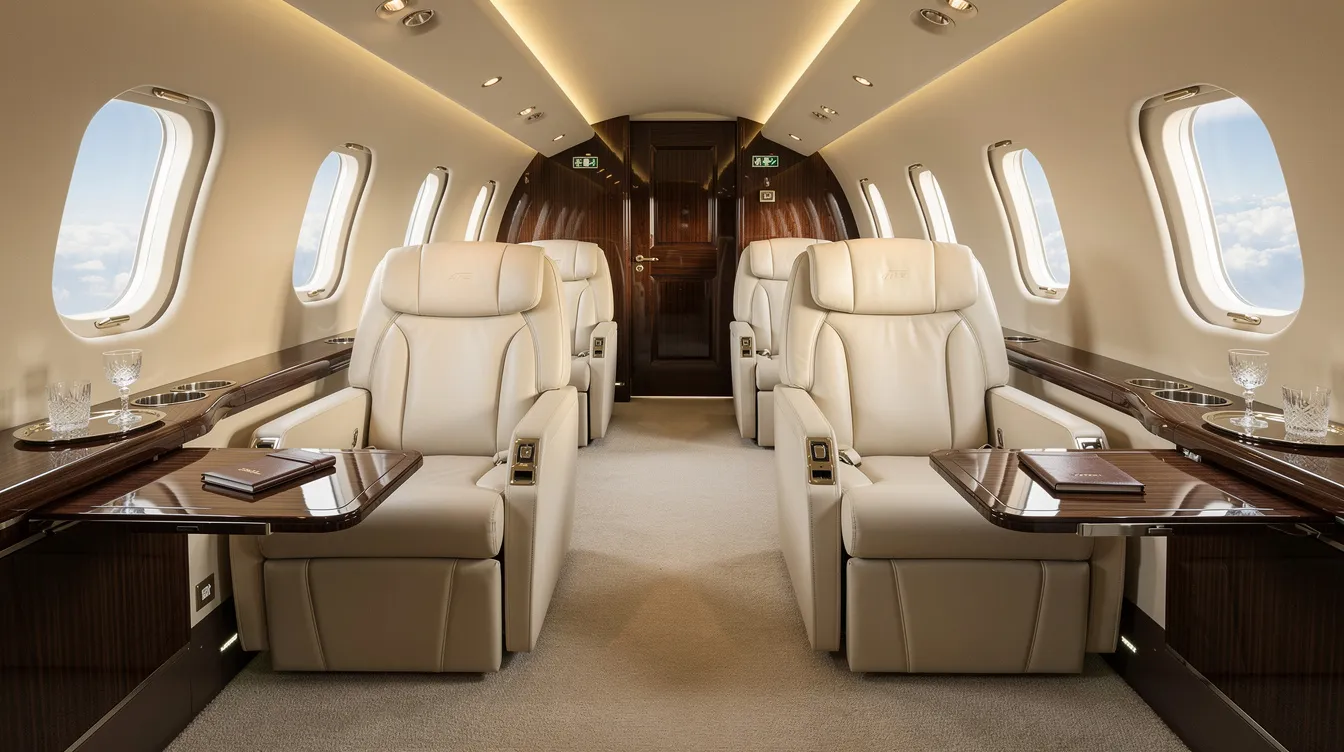
Interior and cabin condition: Refurbishment of a tired interior runs $500K–$2M+ for larger aircraft. Buyers and charter operators factor this into pricing.
These factors influence charter pricing, resale value, and long-term total ownership cost. A jet with a low sticker price but mismatched engine times or outdated avionics can cost millions more over a 5-year ownership period than the headline number suggests.
Operating a Private Jet: Fixed vs Variable Costs
If you're considering buying a private jet outright, understanding the split between fixed costs and variable costs is essential. Fixed costs hit your budget whether the aircraft flies or sits in a hangar. Variable costs only accumulate when the jet is in the air.
Typical annual fixed costs (2026):
Crew salaries and training: $200K–$600K+ (two pilots minimum for most jets)
Hangar fees: $30K–$150K+ depending on region and aircraft size
Insurance: $30K–$200K+ depending on hull value and liability limits
Management fees: $3K–$10K/month for a professional management company
Navigation and data subscriptions: $10K–$30K/year
Minimum maintenance program enrollment: varies widely by program
Annual ongoing costs for ownership can exceed $2 million for heavy and ultra long range jets once you add these up. Fixed operating costs for private jets include crew salaries and hangar fees as the two largest line items.
Variable costs per flight hour:
Fuel: $800–$4,000+/hr depending on aircraft size and fuel prices. Fuel costs typically account for 25% to 35% of total operating costs.
On-condition maintenance reserves: $400–$2,500+/hr
Landing and handling fees at airports: $100–$1,500 per flight
In flight catering: $200–$2,000+ per trip
Navigation charges: $50–$500+ per flight segment
Variable operating costs depend on the number of flight hours a jet is used. Annual operating costs for private jets commonly include fuel, maintenance, crew salaries, and insurance - and the total climbs fast once you start logging significant flight time.
Owning a private jet incurs fixed costs like maintenance and crew salaries regardless of utilization. At low annual flight hours - say 50 hours per year - your effective per hour cost becomes extremely high because those fixed costs are spread over very few flights.
How Federal Excise Tax and Other Fees Impact Your Total Trip Cost
Advertised per hour rates almost never include government taxes and airport-specific charges. These add-ons can raise your final private jet charter costs by 20–40%.
Taxes on domestic flights:
A 7.5% federal excise tax applies to all US domestic flights booked as Part 135 charter. On a $15,000 charter, that's $1,125 in FET alone.
Domestic segment fees are $5.30 per passenger per leg. For 6 passengers on a round trip, that's an additional $63.60.
Common add-on costs:
Airport landing fees range from $100 to $1,500 per flight, depending on the airport authority and aircraft size
Ramp and handling fees: $200–$1,000+ per stop
De-icing costs can range from $1,500 to $15,000 during winter operations
Crew overnight fees range from $200 to $600 per crew member per night
Short leg fees apply to flights under 60 minutes to cover maintenance costs that accrue on a per-cycle basis
Fuel surcharges: variable, often rolled into the per hour rate but sometimes broken out separately
Peak-day surcharges at busy airports during holidays
When you see a quote "per hour" from a charter operator, your final invoice will typically include many of these extra line items. A $12,000 headline quote can easily become $15,000–$17,000 once taxes, airport fees, and crew expenses are added.
Chartering a Private Jet: What You Really Pay Per Hour
Chartering a private jet means paying a per hour rate plus taxes and trip-specific fees - without the burden of ownership costs. It's the go-to option for travelers flying under 200 hours annually.
2026 charter rates by aircraft category:
Turboprops: $2,300–$3,500 per hour
Very light jets: $2,500–$3,750 per hour
Light jets: $3,750–$4,600 per hour
Midsize jets: $4,700–$7,500 per hour
Super midsize jets: $5,500–$9,000 per hour
Large cabin / heavy jets: $8,500–$17,000 per hour
VIP airliners: $18,000–$23,000 per hour
Private jet rental costs range from $2,300 to $17,000 per hour for standard categories, with VIP airliners charging $18,000 to $23,000 per hour for head-of-state-style configurations.
Aircraft rental costs scale with the number of hours flown and flight distance. Charter rates are built on each aircraft's annual operating budget divided by expected flight hours, so operators with higher utilization can sometimes offer slightly lower per hour pricing.
Charter flight costs are influenced by aircraft availability, timing, and extra fees. Seasonality and high demand can raise charter rates considerably - expect premium pricing during holidays, major sporting events, and peak summer travel weeks.
Most operators enforce daily minimums of 2–3 hours of Billable Flight Time per day, meaning the flight time a charter customer is charged for can include repositioning or ferry legs, not just the time passengers are in the cabin. Taxi time often counts toward your paid flight time, which can increase your total cost.
Charter Trip Examples: How the Numbers Add Up
Here's how charter cost actually unfolds across two realistic 2026 scenarios.
Scenario 1: New York to Miami Round-Trip (Light Jet)
Aircraft: Citation CJ3+ (light jet, 6–7 passengers)
Block time each way: ~2.5 hours (5 hours round trip)
Base per hour rate: $4,500/hr
Flight hour cost: 5 × $4,500 = $22,500
Federal excise tax (7.5%): $1,688
Landing fees (2 airports): ~$600
Crew overnight in Miami: ~$500 (2 crew × $250)
Handling/ramp fees: ~$400
All-in estimate: ~$25,700
Per person with 6 passengers: ~$4,280 round trip. Comparable to two first-class commercial round trips per person - but with zero security lines, direct regional airports access, and a private cabin.
Scenario 2: New York to London One-Way (Ultra Long Range Jet)
Aircraft: Gulfstream G650ER (up to 14 passengers)
Block time: ~7 hours
Base per hour rate: $15,000/hr
Flight hour cost: 7 × $15,000 = $105,000
International handling, customs, permits: ~$5,000
Crew positioning and overnight: ~$2,500
Fuel surcharges (long haul flights): included in rate
All-in estimate: ~$112,500
Per person with 10 passengers: ~$11,250 - still steep, but for a group of executives needing to arrive rested with a full day of meetings, the time savings and privacy often justify the cost versus commercial business class.
These examples show why understanding direct operating costs, airport fees, and crew expenses matters. The per hour rate is only the starting point.
Is It Cheaper to Fly One-Way or Round-Trip on a Private Jet?
One-way private jet pricing often looks attractive on paper. But the operator still needs to get the aircraft back - and that repositioning cost typically gets built into your quote.
Aircraft positioning can add high costs to charter pricing. If you book a one-way charter flight from Chicago to Aspen, the operator may need to fly the jet back empty. That ferry leg's fuel, crew time, and landing fees often get folded into your invoice, making your one-way price surprisingly close to a round-trip rate.
This is exactly where empty leg flights enter the picture. Those repositioning legs - the ones operators need to fly anyway - become available at dramatically lower prices when your plans happen to align with the aircraft's existing schedule, especially when you book spontaneous one-way empty legs that can save up to 75% off standard rates from your departure city.
Example: A one-way light jet charter from Los Angeles to Las Vegas might quote $8,000–$10,000 (including the anticipated dead-head back). The same route as an empty leg might be listed at $2,500–$4,000. The aircraft flies the same route either way. The difference is whether you're paying for the repositioning or riding it.
Buying a Private Jet Outright: When Does It Make Sense?
Private jet ownership costs range from $2 million to $100 million for the aircraft alone. Owning a private jet incurs costs for acquisition, maintenance, and operating expenses on top of the purchase price.
Ownership starts to pencil out at specific annual flight hour thresholds:
Light jets: ~200–250 flight hours per year
Midsize jets: ~250–300 hours per year
Large cabin jets: ~300+ hours per year
Below those numbers, chartering a private jet is more cost-effective for under 200 hours annually because the fixed costs of ownership crush your per hour economics.
Financial commitments of owning:
Acquisition price (or financing cost of capital)
Depreciation: new jets can lose 30–50% of value in the first 5 years
Annual fixed expenses: $500K–$2M+ depending on aircraft category
Variable operating costs per flight hour: $1,800–$9,500+
Unexpected repairs and unscheduled maintenance events
Private jet ownership requires budgeting for depreciation and unexpected repairs - two line items that catch first-time buyers off guard. Before signing, compare a realistic ownership budget against charter and membership alternatives.
Alternatives to Full Ownership: Charter, Jet Cards, and Fractional
Most people flying private don't need to own a jet. They blend access models based on how often and how far they fly.
On-demand charter: Best for occasional travelers flying under 100 hours per year. You pay per trip with no long-term commitment. The downside: prices fluctuate with demand, aircraft availability, and seasonal surcharges.
Jet cards: You purchase a block of hours (typically 25–50 hours) at a fixed per hour rate. This gives pricing predictability and guaranteed availability within a set number of days' notice. Downsides include high minimums, blackout dates, and the capital tied up in prepaid hours. Many jet cards require $100K–$300K+ upfront.
Fractional ownership: You buy a share (typically 1/16 to 1/4) of a specific aircraft type. This gives you a set number of flight hours per year with some ownership benefits. Costs include acquisition of the share, monthly management fees, and per hour occupied fees. Fractional suits travelers flying 150–300+ hours per year who aren't ready for a full private jet outright purchase but want guaranteed access to the same aircraft type.
Membership programs: Platforms like Hoppyn offer a flat annual fee for access to empty leg flights with no per-flight cost. This model works best for flexible travelers who want the lowest possible effective cost per flight.
Empty Leg Flights: The Cheapest Way to Fly Private Per Hour
An empty leg flight is a repositioning segment that a private jet must fly without booked passengers - either heading to pick up the next client or returning to its home base. Empty leg flights are repositioning segments with no passengers, and operators sell them at steep discounts rather than eat the entire cost of the ferry flight.
Empty leg pricing can be 50–75% lower than standard charter per hour rates. The trade-off: flexibility is required to book empty leg flights. Routes, departure times, and dates are set by the operator's existing schedule, not your preferences. If the primary trip changes, your empty leg can be cancelled or rescheduled.
2026 example - New York to Miami:
Full charter on a light jet: ~$12,500–$16,000
Same route as an empty leg: ~$3,000–$6,000 (50–75% discount)
As a Hoppyn member: $0 flight cost beyond the $997 annual membership
Empty leg flights are often available on popular routes - the busier the corridor, the more repositioning flights exist. Think New York to Florida, LA to Vegas, London to the south of France, or dedicated programs offering empty leg flights from Toronto to top destinations.
These flights position themselves as the bridge between full-price charter and commercial first class for travelers with flexible schedules willing to adapt to the aircraft's itinerary.
How Hoppyn Makes Private Jets Affordable with a Flat Yearly Fee
Hoppyn is a subscription-based travel club that lets you access private jet empty leg flights worldwide with no per-flight cost. Instead of paying tens of thousands of dollars per charter, you pay one flat annual membership fee and fly when confirmed seats match your plans.
The current Hoppyn membership fee is $997/year. Once you're a member, you do not pay per hour or per trip for confirmed empty leg seats. No charter invoices. No fuel surcharges added to your bill. No surprise line items.
Here's how it works: you browse a daily-updated board of empty leg flights, join waitlists for routes that match your travel plans, and get confirmation when a seat opens up. The platform covers a wide range of aircraft categories - from light jets on short domestic flights to large cabin jets on longer routes.
Key benefits vs. traditional charter:
Vastly lower effective per hour cost if you fly multiple times per year
Transparent membership pricing with no hidden fees
Global access across aircraft categories and regions
Dedicated 24/7 support for members
Travelers can access empty leg flights through membership services like Hoppyn without dealing with the complexity of direct operator negotiations
New flights are added daily. The more flexible you are on dates and routes, the more value you extract from the membership.
Hoppyn vs Chartering a Private Jet: Real-World Cost Comparisons
Let's put actual numbers side by side.
Scenario A: Regional Traveler (4 Trips Per Year)
A traveler takes 4 regional trips per year on light jets - routes like New York to Miami, Dallas to Aspen, or LA to San Francisco.
Charter cost: 4 trips × ~$13,000 average per trip = $52,000/year
Hoppyn membership: $997/year, confirmed on 4 empty leg flights = $997 total
Savings: ~$51,000 (roughly 98% less)
Scenario B: Frequent Business Traveler (10+ Trips)
A business traveler flies 10 multi-leg trips per year, mixing midsize and light jets on popular corridors.
Charter cost: 10 trips × ~$18,000 average = $180,000/year
Hoppyn membership: $997/year, confirmed on 10 empty leg flights = $997 total
Savings: ~$179,000
The effective per hour cost for a Hoppyn member taking just 4 flights of ~2.5 hours each is: $997 ÷ 10 total flight hours = roughly $100/hour. Take 10 flights and it drops below $40/hour.
Where charter still wins: If you need fixed dates, unusual routes, a guaranteed aircraft type, or last-minute travel to secondary airports with no empty legs available, on demand charter is the right choice. Hoppyn's membership model delivers the biggest savings on flexible dates, popular corridors, and frequent travel.
How Many Private Jets Do Most People Actually Need Access To?
Most individuals and small companies don't need to own even one private aircraft - they need reliable access to the right aircraft category when they travel.
Typical jet owners have one primary aircraft and still charter or use membership programs during maintenance downtime, for missions outside their jet's range, or when they need a larger aircraft for a bigger group. Many frequent travelers skip ownership entirely, relying on charter, jet cards, or membership platforms.
With Hoppyn, you effectively tap into a global pool of business jets across multiple aircraft categories without buying a single one. You use whichever empty leg fits your route and timing, whether it's a super light jet, a midsize, or a large cabin jet.
In 2026, how many private jets are repositioning worldwide on any given day? Thousands. The private aviation industry generates enormous numbers of empty legs every week. Platforms like Hoppyn help match those empty seats with flexible travelers - turning an inefficiency for operators into a massive savings opportunity for you, while also giving charter companies access to dedicated resources for charter operators to connect fleets and list empty legs more efficiently.
Planning Your Private Jet Budget: Ownership vs Rental vs Membership
Here's a simple framework based on your annual flight hours and flexibility:
Under ~50 hours/year with flexible timing: Empty leg membership (Hoppyn) is your most cost-effective option. You'll pay under $1,000/year versus tens of thousands in charter fees.
50–150 hours/year: Combine charter for must-have trips with a Hoppyn membership for everything that can flex. This hybrid approach balances reliability with savings.
200+ hours/year: Analyze fractional ownership or full ownership with a qualified aviation advisor. At this utilization level, the direct cost per hour of owning starts to approach charter rates.
To estimate your budget:
List your likely trips, preferred aircraft category, and required routing
Price each trip under charter, fractional, and membership scenarios
Factor in total cost including taxes, fees, and repositioning
Compare honestly - and remember that flight distance, passenger count, and cabin space needs all affect which aircraft type makes sense
If you want the lowest effective cost per flight hour and can adapt to empty leg schedules, browse current flights on Hoppyn and see what's available on your routes today.

Frequently Asked Questions
How much does it cost per person to fly on a private jet?
Private jet pricing is quoted per aircraft, not per seat. To estimate per-person cost, divide the total trip price by your passenger count. For example, a $20,000 light jet round trip with 6 passengers works out to about $3,333 per person - comparable to a business-class commercial ticket on some routes. With only 2 passengers, that same trip is $10,000 per person.
On Hoppyn's empty leg flights, members pay no per-seat fare after the annual membership. If you're flying confirmed empty legs regularly, your effective per-person cost drops to a fraction of what even discounted commercial first class would run. Explore what's available with the best seat on a private plane to get a sense of the experience.
Can I really fly private multiple times a year just by paying a membership fee?
Yes. Hoppyn's transparent annual membership - $997/year - gives you access to browse and join waitlists for unlimited empty leg flights with no extra flight hour charges. There's no cap on how many flights you can take if you're confirmed.
The practical limits are flexibility-based: empty legs follow operator schedules, not custom itineraries. You need to be open on exact dates and sometimes on routing. But on popular corridors, new flights are added daily. Think in terms of "how many private jet flights can I realistically take in a year" and you'll quickly see how low your effective per-trip cost gets - even 3–4 flights makes the math dramatically better than charter.
Are empty leg flights safe compared to normal private jet charters?
Empty legs use the same aircraft, crews, and safety standards as full-price private jet charter flights. They are simply repositioning legs of regular missions - the aircraft flies that route regardless. What changes is the commercial pricing model and flexibility requirements, not the underlying safety protocols or maintenance standards.
Hoppyn works only with vetted operators. Safety is determined by the operator's certifications, maintenance history, and regulatory compliance - not whether the flight is labeled "empty leg" or "full charter." The same efficient aircraft with the same trained crew flies both legs.
Do I still pay Federal Excise Tax and other fees if I use a membership like Hoppyn?
Traditional charter customers see federal excise tax, segment fees, and airport charges broken out on their trip invoice because they're paying per flight hour under Part 135. With Hoppyn, members do not receive per-flight charter invoices. The $997/year membership covers access, and the handling of operational taxes and fees rests with the underlying operators within that model.
If you're used to seeing FET and line-item fees on charter quotes, Hoppyn's membership structure is far simpler and more predictable from a budgeting standpoint. One fee, no surprises.
How do I start using Hoppyn to reduce my private jet costs?
Three steps:
Join Hoppyn online by paying the flat annual fee
Create your profile and set your preferred routes and travel windows
Browse the live empty leg board daily, join waitlists for flights that match your plans, and get confirmation when a seat opens
New empty leg flights are added every day, covering various aircraft categories and regions worldwide. Checking the platform regularly increases your chances of catching ideal routes. You can also request a flight for specific corridors and get notified when matching empty legs appear.
Ready to see what's flying? Start browsing today.Start browsing today.
Empty leg flights can save travelers up to 75% compared to traditional charter costs. These flights are repositioning segments with no passengers, offered at steep discounts to avoid flying empty. However, booking empty leg flights requires flexibility since routes and times are set by the operator's schedule, not the passenger's preferences.
Empty leg flights are often available on popular routes, making them an affordable option for travelers who can adapt their plans. Accessing these flights through membership services like Hoppyn provides a streamlined way to find and book empty legs worldwide.
When considering private jet costs overall, aircraft rental costs scale with the number of hours flown and flight distance. Variable operating costs depend heavily on flight hours, including fuel, maintenance, crew salaries, and insurance, which are part of the annual operating costs. Fuel alone typically accounts for 25% to 35% of total operating expenses.
Seasonality and high demand can raise charter rates considerably, as costs are influenced by aircraft availability, timing, and extra fees such as positioning, crew overnight stays, and airport charges. Larger aircraft require more fuel and crew, increasing rental costs accordingly.
Private jet rental prices vary significantly: turboprops typically cost between $2,300 and $3,500 per hour; light jets range from $3,750 to $4,600; midsize jets fall between $4,700 and $7,500; large jets are priced from $8,500 to $17,000; and VIP airliners command fees of $18,000 to $23,000 per hour. Additionally, the age of the aircraft can increase rental rates by $100 to $1,000 per hour. Aircraft age can add $100 to $1,000 per hour to rental rates.
Additional fees impact the total cost.Additional fees impact the total cost. A 7.5% Federal Excise Tax is applied to all US domestic flights, along with domestic segment fees of $5.30 per passenger for each leg of the journey. Airport landing fees range from $100 to $1,500 per flight, and crew overnight fees typically run $200 to $600 per crew member. Short-leg fees apply to flights under 60 minutes to cover maintenance costs, and de-icing fees can range from $1,500 to $15,000 in colder climates.
Aircraft positioning can add high costs to charter pricing, especially for one-way flights requiring repositioning legs.
When it comes to ownership, private jet purchase prices range from $2 million for used models to over $110 million for new jets. Owning a jet requires budgeting for depreciation, unexpected repairs, and fixed operating costs such as crew salaries and hangar fees. Annual ongoing costs for ownership can exceed $2 million.
Chartering a private jet remains more cost-effective for those flying under 200 hours annually, while ownership suits travelers with higher usage and the capacity to manage fixed costs.
With this knowledge, you can better evaluate your private jet travel options and choose the model that fits your budget, schedule, and preferences.
Conclusion
Flying private in 2026 comes down to choosing the right access model for your needs and budget. Chartering offers flexibility without ownership hassles but comes with higher hourly costs and extra fees. Ownership suits frequent flyers with 200+ hours annually but demands significant upfront and ongoing expenses. Empty leg flights, especially through membership programs like Hoppyn, unlock private jet travel at a fraction of traditional costs—ideal for travelers who can embrace flexibility and want transparent pricing.
By understanding the full cost picture—including taxes, fees, and repositioning—you can make an informed decision that fits your lifestyle. Whether you want the convenience of on-demand charter, the control of ownership, or the savings of empty legs, 2026 offers more private jet options than ever before. Ready to fly smarter and more affordably? Explore empty leg flights with Hoppyn today and see how private jet travel can work for you.




Unlock Your Private
Jet Experience
Join our exclusive membership for
free flights today!

Explore More
Blogs


Join Our Exclusive
Newsletter
.png)






