
Private Jet Costs in 2026: Ownership, Charter, and How to Fly for Less


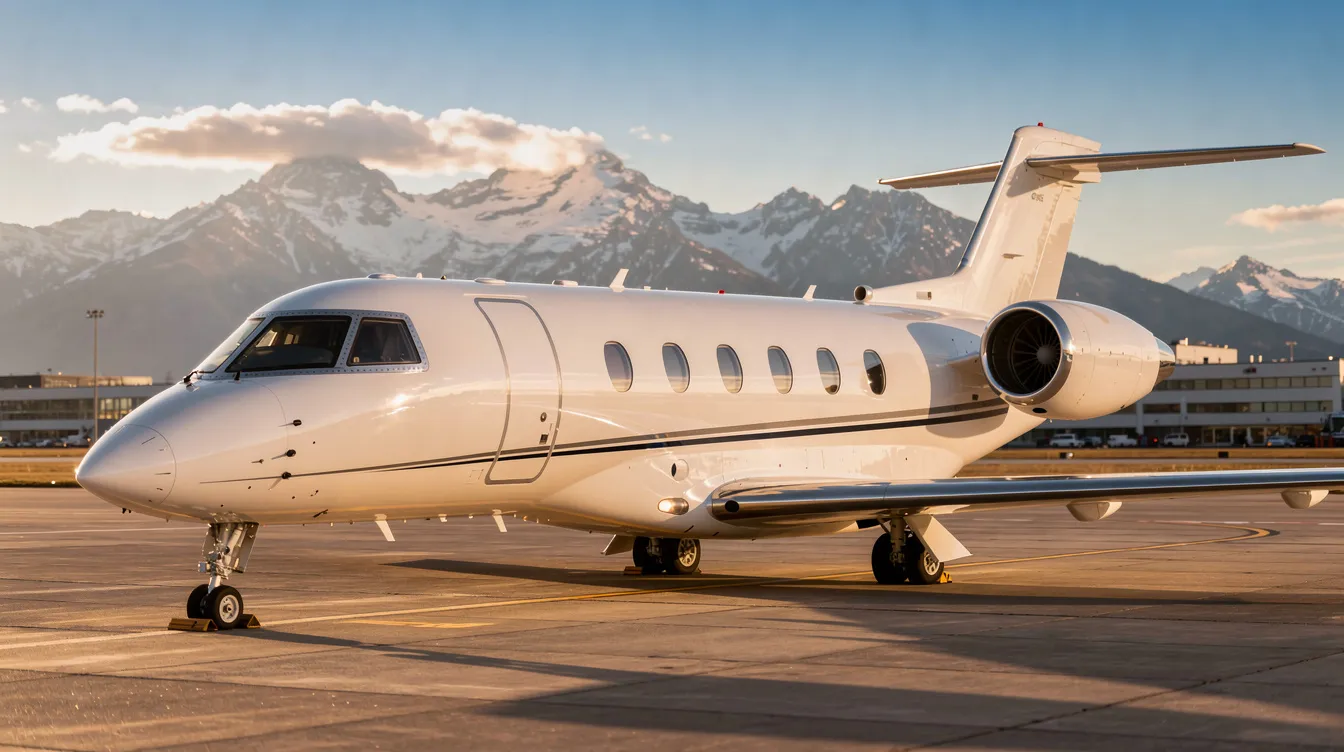
This guide is for business travelers, entrepreneurs, and anyone considering private jet travel in 2026. Understanding the true costs of private jet travel helps you make informed decisions and avoid unexpected expenses. Think flying private automatically means five figures per trip? Sometimes it does. But there are ways around that - and in 2026, more of them than ever. This guide breaks down exactly how much it costs to own, charter, and access a private jet across every aircraft category, explains the fees that most pricing pages leave out, and shows you how empty leg flights through a membership like Hoppyn can cut your cost to nearly zero per flight.
Key Takeaways
Private jet rental costs range from $2,300 to $17,000 per hour depending on aircraft size and type. VIP airliners cost between $18,000 and $23,000 per hour. Private jet ownership costs range from $2 million to $100 million, with typical annual operating costs for private jets ranging from $500,000 to over $3 million.
How much it costs depends on your aircraft category (very light jets, light jets, midsize jets, large jets, ultra long range jets), whether you own or charter, and how many annual flight hours you actually fly.
Hoppyn's membership costs $997 per year and gives you access to empty leg flights with no per-hour flight cost on confirmed legs - a fraction of what standard charter or ownership runs.
A 7.5% Federal Excise Tax applies to US domestic flights, and segment fees, landing fees, and crew charges mean the private jet cost per hour is never the full story. Total trip pricing is what matters.
For most travelers flying under roughly 150–200 flight hours per year, full private jet ownership costs far more than on-demand charter, jet card programs, or empty-leg memberships like Hoppyn.
How Much Does It Really Cost to Use a Private Jet in 2026?
Charter Costs
Here are the straight numbers. In 2026, private jet charter costs you roughly $2,300 to $23,000 per hour depending on whether you're booking a turboprop or a large cabin jet. Whole aircraft ownership starts around $2 million for a very light jet and climbs past $100 million for an ultra-long-range flagship. Annual operating costs - the money you spend just to keep the plane flying - run from about $500,000 for a small jet to well over $2 million for larger aircraft.
But those headline numbers only tell part of the story. Most public per-hour rates exclude the 7.5% federal excise tax on domestic flights, landing and handling fees, crew overnights, repositioning charges, and fuel surcharges. A quote that says "$4,000 per hour" can easily become a $7,000-per-hour reality once you add everything up.
Ownership Costs
There are three main ways people access private aviation in 2026:
On-demand charter: Pay per trip, no long-term commitment. Chartering enables users to pay only for flight time without long-term commitments.
Private jet ownership: Buy the entire aircraft (or a fractional share), shoulder all fixed and variable costs.
Membership and Empty-Leg Access
Membership and empty-leg access: Pay a flat annual fee (like Hoppyn's $997/year model) and fly on repositioning flights with no per-hour aircraft charge.
Consider this: a 2-hour light jet hop from New York to Boston might run $5,000–$8,000 all-in via charter. A 7-hour ultra-long-range mission from New York to London? Easily $150,000–$200,000 when you add taxes, overflight permits, and handling. With Hoppyn, if an empty leg aligns with your route, the flight cost line drops to zero - you cover only taxes and regulatory fees.
Private Jet Price Ranges by Aircraft Category
Cost Breakdown by Aircraft Category
Both purchase price and charter cost scale directly with aircraft size, cabin space, range, and complexity. Here's what each aircraft category looks like in 2026:
Aircraft Category | New Purchase Price | Charter Cost Per Hour | Typical Passengers | Range (nm) |
|---|---|---|---|---|
Turboprops | $2M–$4M | $2,300–$3,500 | 4–8 | 800–1,200 |
Very light jets | $2M–$5M | $2,500–$4,000 | 4–6 | 1,000–1,500 |
Light jets | $5M–$10M | $3,750–$4,600 | 6–8 | 1,500–2,200 |
Midsize jets | $10M–$20M | $4,700–$7,500 | 7–9 | 2,000–3,000 |
Super midsize jets | $18M–$30M | $7,500–$12,000 | 8–10 | 3,000–4,000+ |
Large jets | $25M–$50M | $8,500–$17,000 | 10–16 | 4,000–6,000 |
Ultra-long-range jets | $50M–$80M+ | $18,000–$23,000 | 12–19 | 6,000–7,500+ |
Pre-owned jets trade at significant discounts - often 20–60% below new, depending on aircraft age, flight hours, and maintenance history. A midsize jet that listed at $20 million new might sell for $8–$14 million pre-owned.
These are aircraft-level prices, not per-seat. The passenger count doesn't change the charter rate - whether you fly solo or fill every seat on the same aircraft, you're paying the same hourly rate.
Your mission profile should dictate which category you actually need. Flying a 1-hour regional hop on an ultra-long-range aircraft is like driving a semi-truck to the grocery store - you're paying for range and cabin you don't use.
Very Light and Light Jets: Entry-Level Private Jet Costs
Very light jets typically seat 4–6 passengers with ranges up to about 1,500 nautical miles. Light jets stretch to 6–8 passengers and roughly 2,200 nautical miles. Both can access smaller airports with shorter runways, and as efficient aircraft for short regional missions, they also cut your ground time and often reduce landing fees.
Ownership numbers in 2026:
Very light jet purchase: ~$2M–$5M new (e.g., Cirrus Vision Jet G2+ around $3.2–$3.6M new)
Light jet purchase: ~$5M–$10M new (e.g., HondaJet Elite II around $5–$7M)
Operating costs for light jets run about $1,000 to $1,100 per flight hour in variable costs
Annual fixed costs (hangar fees, crew salaries, insurance, management): $300,000–$700,000 for VLJs
At 200 flight hours per year, a very light jet owner might spend roughly $800,000 annually - about $4,000 per hour all-in. Compare that to chartering a similar light jet at $3,750–$4,600 per hour before taxes and fees. That’s about the point where it may start to make sense to own a private jet if you fly consistently above 150–200 hours per year.
Chartering accommodates those flying fewer than 50 to 100 hours per year far more efficiently. And for the flexible traveler, finding the right seat on a private plane via empty leg flights costs even less.
Midsize and Super Midsize Jets: Balancing Range and Cost
Midsize and super midsize jets seat about 8–10 passengers, often feature stand-up cabins, and deliver ranges of 2,000–4,000+ nautical miles. That makes them the workhorse for coast-to-coast domestic flights and transcontinental European routes.
2026 purchase and operating costs:
New midsize jets: $10M–$20M; super midsize: $18M–$30M+
Example: Embraer Praetor 600 (super midsize) lists around $24.8M new; Bombardier Challenger 650 around $32.4M
Fixed costs for midsize jets typically run $800,000 to $1.2 million annually
Variable costs can reach $5,000 per flight hour for larger jets in this category, with most midsize jets sitting around $2,500–$4,000 per hour
This aircraft category is popular with corporate fleets flying 250–400 hours per year, where executive jet management firms handle the day-to-day operations and private jet ownership can be justified by high utilization. For charter companies, resources to list and monetize empty legs efficiently can help boost utilization further. For travelers flying significantly fewer hours, charter or an empty-leg membership delivers lower total cost without the capital risk.
Large Cabin and Ultra Long Range Jets: Top-End Private Jet Costs
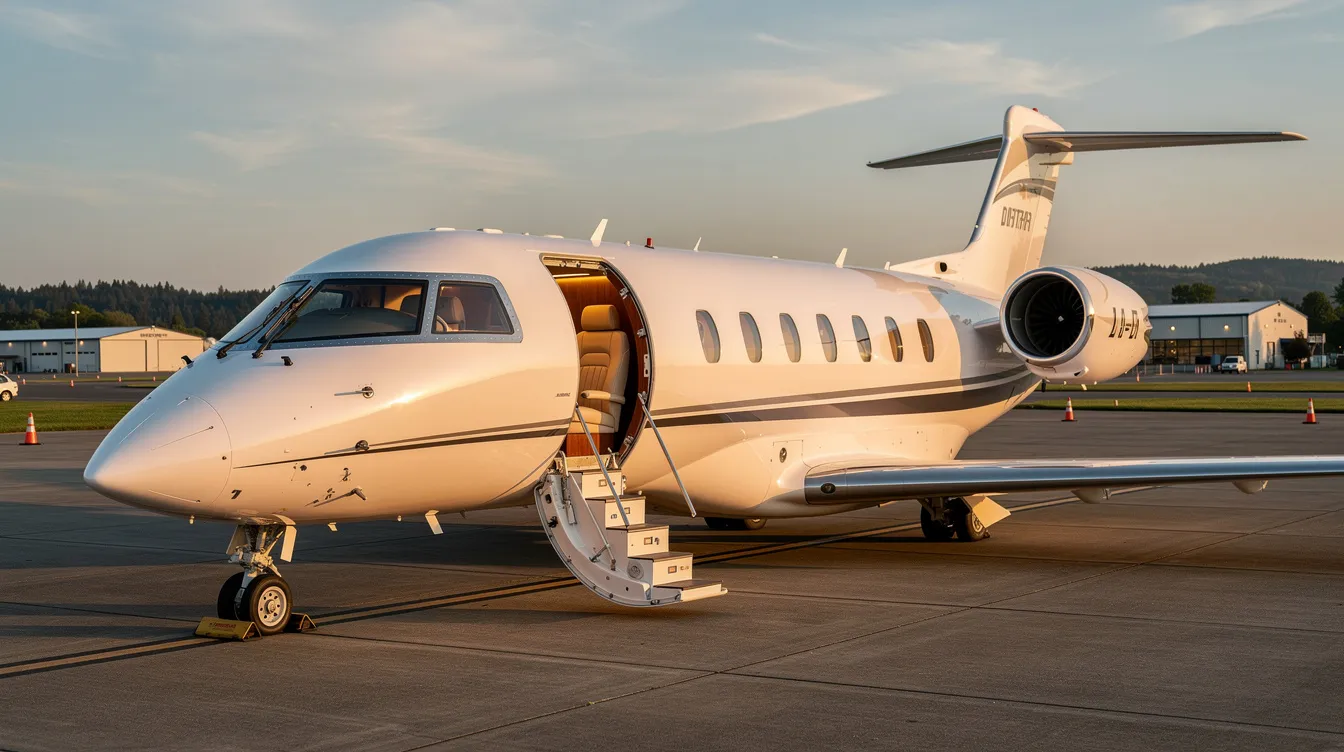
Large cabin and ultra long range jets sit at the top. They typically seat 12–19 passengers with ranges of 6,000–7,500+ nautical miles - enough for nonstop routes like New York to Tokyo or London to Singapore.
The price tags match the capability:
New ultra-long-range aircraft like the Gulfstream G700 and Bombardier Global 7500 list in the $70M–$80M+ range
Pre-owned large cabin jet prices still commonly land at $20M–$50M+ depending on year and maintenance programs
Annual ongoing costs can exceed $2 million for larger jets, driven by crew, hangar, insurance, management, and engine maintenance reserves
Operating costs per flight hour run $3,500–$5,000+ in variable costs alone
This segment is reserved for governments, large corporations, and ultra-high-net-worth individuals flying high annual hours or needing specialized ultra-long-range missions. If you're reading this article to estimate your budget, the answer is almost certainly charter or membership - not ownership of a $70 million airplane.
Key Ownership Cost Drivers Beyond Jet Size
Several factors beyond aircraft size can shift your total ownership cost by hundreds of thousands - or millions - of dollars:
Airframe Age and Maintenance
Older private jets may require more frequent and costly maintenance than newer ones.
Scheduled inspections and maintenance costs are based on flight hours and aircraft age.
Heavy events like D-checks get more expensive as hours accumulate.
Engine Overhauls
On larger aircraft, engine overhauls can run $1M–$2M per engine.
Maintenance reserves help cover future repairs and inspections.
Enrollment in "power-by-the-hour" programs smooths out these costs.
Avionics Upgrades
Regulatory mandates (ADS-B, FANS 1/A, CPDLC) can require six- or seven-figure retrofits depending on aircraft type.
Interior Condition
Cabin refurbishment - seats, carpets, connectivity systems - adds another major line item and directly affects resale value.
Depreciation
Younger, current-production models from Gulfstream, Bombardier, and Embraer tend to hold value better.
Older, unsupported models depreciate faster, especially in the softening post-pandemic market of 2026.
Aircraft management services can alleviate the administrative burden of ownership, but they add their own annual fees - typically $3,000–$8,000 per month.
Here's the key point: these ownership cost drivers are largely irrelevant when you use empty leg or membership models like Hoppyn. You carry no capital risk, no maintenance exposure, and no resale concerns.
Fixed vs Variable Private Jet Operating Costs
Industries typically group aircraft expenses into fixed and variable cost categories. Fixed costs are incurred regardless of aircraft usage or flight hours. Variable costs scale directly with flight hours and operational activity.
Fixed Costs
Fixed costs are incurred regardless of aircraft usage or flight hours:
Crew salaries are a significant fixed expense for operating a private jet - typically $200,000–$500,000+ annually, depending on aircraft type and whether you employ a flight crew of two or add flight attendants
Hangar fees: $30,000–$100,000 per year
Insurance premiums vary based on aircraft value and pilot experience, commonly $20,000–$300,000 annually
Management and administration fees
Training and recurrent certification
Variable Costs
Variable costs scale directly with flight hours and operational activity:
Fuel (25–35% of trip variable costs; jet fuel prices are volatile and depend on global market rates and location)
Maintenance reserves per hour
Landing fees, navigation charges, in-flight catering
Ground transportation and crew per diem
Cost Type | Light Jet | Midsize Jet | Large/ULR Jet |
|---|---|---|---|
Annual fixed costs | $300K–$700K | $800K–$1.2M | $1.5M–$2.5M+ |
Variable cost per hour | $1,000–$1,500 | $2,500–$4,000 | $3,500–$5,000+ |
Total at 200 hrs/year | ~$500K–$1M | ~$1.3M–$2M | ~$2.2M–$3.5M+ |
When you charter, your hourly rate bundles these operating costs into one number. When you join Hoppyn, you sidestep these per-hour ownership costs entirely because you are not paying per flight hour on empty legs.
Taxes and Government Fees: Federal Excise Tax and More
A 7.5% Federal Excise Tax applies to US domestic flights on private jet charter. On a $60,000 transcontinental charter, that's an extra $4,500 before you've even factored in other charges.
Additional government fees include:
Per-passenger segment fees (~$4.50–$5.30 per segment)
Head taxes for flights to Alaska, Hawai'i, and international destinations
International permit and overflight fees (can add hundreds to thousands per trip)
Customs and immigration charges on international flights
These taxes and fees are normally itemized on professional charter quotes, but they're easy to underestimate when you're browsing private jet pricing tables that only show base hourly rates.
Membership models using empty legs - including Hoppyn - still require taxes and regulatory fees to be paid. But the absence of a flight-hour charge means the base before-tax cost is dramatically lower than standard private jet charter costs.
Airport and Operator Fees That Inflate Trip Costs
Airports charge fees for landing, parking, and ground services that can quietly inflate your total cost by 10–20% or more:
Airport landing fees range from $100 to $1,500 per flight depending on aircraft weight and airport authority
Ramp and handling fees: $100–$500 per stop at smaller fields, significantly more at major hubs
Crew overnight costs add $200 to $600 per crew member per night, plus per diem meals
Deicing: $1,500–$15,000 for larger aircraft in winter - episodic but painful when it hits
Wi-Fi data charges: some operators bill per megabyte or flat-rate plus premium
Short-leg surcharges: operators that prefer longer sectors may add penalties for very brief flights to cover maintenance scheduling impact
When comparing charter versus other access options, always insist on all-in quotes. A "$4,000 per hour" advertised rate that turns into $6,500 after fees isn't actually $4,000 per hour.
How Private Jet Hourly Rates Are Actually Calculated
Private jet hourly rates are derived by taking the total annual operating budget for an aircraft (fixed plus projected variable costs) and dividing by projected annual flight hours. Most Part 135 charter operators assume 300–600 billable flight time hours per year.
Higher utilization spreads those fixed costs over more hours, pulling the per-hour rate down slightly. Lower utilization - or older, maintenance-heavy jets - pushes rates higher. Prospective owners evaluate whether to own or charter based on expected flight hours, and this same math drives the charter rates you see.
Many operators also enforce daily minimums of 2–3 billable hours. Fly a 45-minute hop? You might still get billed for 2 hours. This makes very short trips disproportionately expensive per mile.
Repositioning fees add another layer. If the aircraft isn't already at your departure airport, the "ferry" flight to reach you - or return home - often gets charged at the same hourly rate.
Hoppyn's structure is fundamentally different. Members don't see any hourly rate. You pay a flat annual membership and then only cover taxes and applicable fees on the empty leg flights you book. There's no per hour calculation because you're flying on capacity that already exists.
Charter Trip Examples: What Real Flights Cost in 2026
Let's put real numbers on the table with three 2026 scenarios:
Scenario 1: New York → Miami same-day round trip (light jet)
Flight time: ~5 hours total (2.5 each way)
Base rate: ~$4,200/hr × 5 hours = $21,000
Federal excise tax (7.5%): $1,575
Landing fees (2 airports): ~$400
Handling and ramp fees: ~$300
Fuel surcharges: ~$1,500
Estimated total: ~$24,775
Scenario 2: 3-leg California business day (midsize jet)
Legs: San Francisco → LA → San Diego → San Francisco (~4.5 flight hours)
Base rate: ~$5,500/hr × 4.5 = $24,750
FET + segment fees: ~$2,000
Landing fees (3 stops): ~$600
Handling, fuel surcharges, ground transportation: ~$2,500
Estimated total: ~$29,850
Scenario 3: New York → London round trip (ultra long range jet)
Flight time: ~14 hours round trip
Base rate: ~$20,000/hr × 14 = $280,000
Overflight, customs, international permits: ~$8,000
Crew overnights, handling: ~$5,000
Estimated total: ~$293,000+
Now imagine an empty leg popping up on a New York–Miami leg because a charter client just got dropped off. Via Hoppyn, you'd pay only the taxes and fees - a few hundred dollars instead of tens of thousands. That's the math that makes empty legs compelling.
One-Way, Round-Trip, and Multi-Leg: Why Structure Changes Cost
One-way private jet trips are expensive because of aircraft positioning. When you fly one way, the aircraft either has to ferry empty to pick you up or return empty afterward. You typically pay for that repositioning flight time unless an empty leg aligns with your route.
Round-trip pricing can be cheaper when the aircraft waits at your destination, but crew duty limits and overnight requirements still affect total costs. If the stay is multi-day, you're paying crew per diem and potentially hangar fees at the destination airport.
Multi-leg same-day trips can be efficient for a group but often incur higher total billable flight time due to backtracking and ground turnaround. Each landing triggers additional landing fees, handling charges, and segment fees.
This is exactly where empty leg flights shine. They are repositioning flights with no passengers on board - the aircraft was going to fly that route anyway. With Hoppyn, these repositioning flights get opened to members at no per-flight charge. They occur when jets return to base after a charter, and you benefit from capacity that would otherwise go unused.
How Many Private Jets (and Flight Hours) Do You Actually Need?
Most people overestimate how many private jets they need access to and underestimate how few hours they actually fly.
Start by estimating your annual flight hours, typical passenger count, common routes, and whether your trips are mostly domestic flights or international flights. Then compare your usage to these industry break-even benchmarks:
Light jets: Ownership can be financially viable if flying more than 200 hours a year
Midsize jets: Break-even typically around 250–300 flight hours per year
Heavy/ultra long range: Even higher due to the massive fixed cost base
Frequent flyers often find ownership more economical compared to chartering - but only above these thresholds. Below them, the fixed costs crush you.
Most individuals or small companies who own a private jet outright operate one primary aircraft and supplement with charter when they need a different aircraft category or when their plane is in maintenance. Only very large corporations or governments run fleets across multiple categories.
Hoppyn is best suited to travelers who want to access private jets several times per year without flying enough hours to justify a traditional private jet service contract or ownership.
Alternatives to Full Private Jet Ownership
There are several alternatives beyond buying the entire aircraft:
On-demand charter: Private jet rentals let you pay per trip with no long-term commitment, making charter best for irregular schedules and fewer than 50–100 hours per year.
Jet card programs: Pre-purchase a block of hours at a fixed per-hour rate. Predictable pricing but requires a large upfront deposit - often tens of thousands to hundreds of thousands of dollars.
Fractional ownership: Buy a share of an aircraft. Better availability and shared fixed costs, but you still carry partial ownership costs and depreciation exposure.
Leases: Similar to whole aircraft ownership but without the asset risk. Still comes with fixed costs and usage commitments.
Membership / empty-leg models: Flat annual fee, access to repositioning flights globally, no per-flight charge on confirmed legs.
Most alternatives still tie your cost directly to flight hours. Empty-leg memberships like Hoppyn decouple your spend from each flight you take, which is the structural difference that matters most for cost-conscious travelers.
Empty Leg Flights Explained: Turning Repositioning into Savings
Empty leg flights are segments flown without paying passengers to reposition an aircraft between revenue missions. They occur when jets return to base after a charter.
Empty leg flights are segments flown without paying passengers to reposition an aircraft between revenue missions. For example, after dropping clients in Miami, a jet flies empty back to Teterboro. That empty return is a sunk cost for the operator - the aircraft flies regardless.
Because of this, operators often discount empty legs heavily. Empty leg flights offer discounts up to 75% off standard charter rates, and they can significantly reduce travel costs for travelers who have flexibility on dates.
Empty legs exist across all aircraft categories. A light jet repositioning between New York and Boston. A large cabin jet moving from London to Nice. An ultra-long-range aircraft ferrying from Dubai back to New York, or unlimited free empty leg flights from Toronto for members focused on that hub. The opportunities span the full spectrum of private aviation.
The trade-offs: your flight distance, schedule, departure airport, and aircraft type are largely fixed. You accept what's available. But the savings are substantial.
Hoppyn builds on this concept by aggregating global empty legs into a searchable flight board where members can browse, join waitlists, and fly with no per-hour cost once confirmed.
Hoppyn's Membership Model: Private Jet Access Without Per-Flight Charges
Hoppyn is a subscription-based private jet membership. You pay a flat annual fee of $997 per year and gain access to a global board of private jet empty-leg flights. Members can access unlimited empty-leg flights with no aircraft hourly charge on confirmed legs.
Here's how it works:
Browse: Check the flight board for upcoming empty-leg flights worldwide. Members can join waitlists for available flights that match their routes and dates.
Confirm: Once a seat is confirmed, you pay only unavoidable third-party charges - taxes, government fees, and applicable airport or handling fees. Not an aircraft hourly rate.
Fly: Show up and fly. Private jet membership programs often include 24/7 support, and Hoppyn provides dedicated assistance throughout.
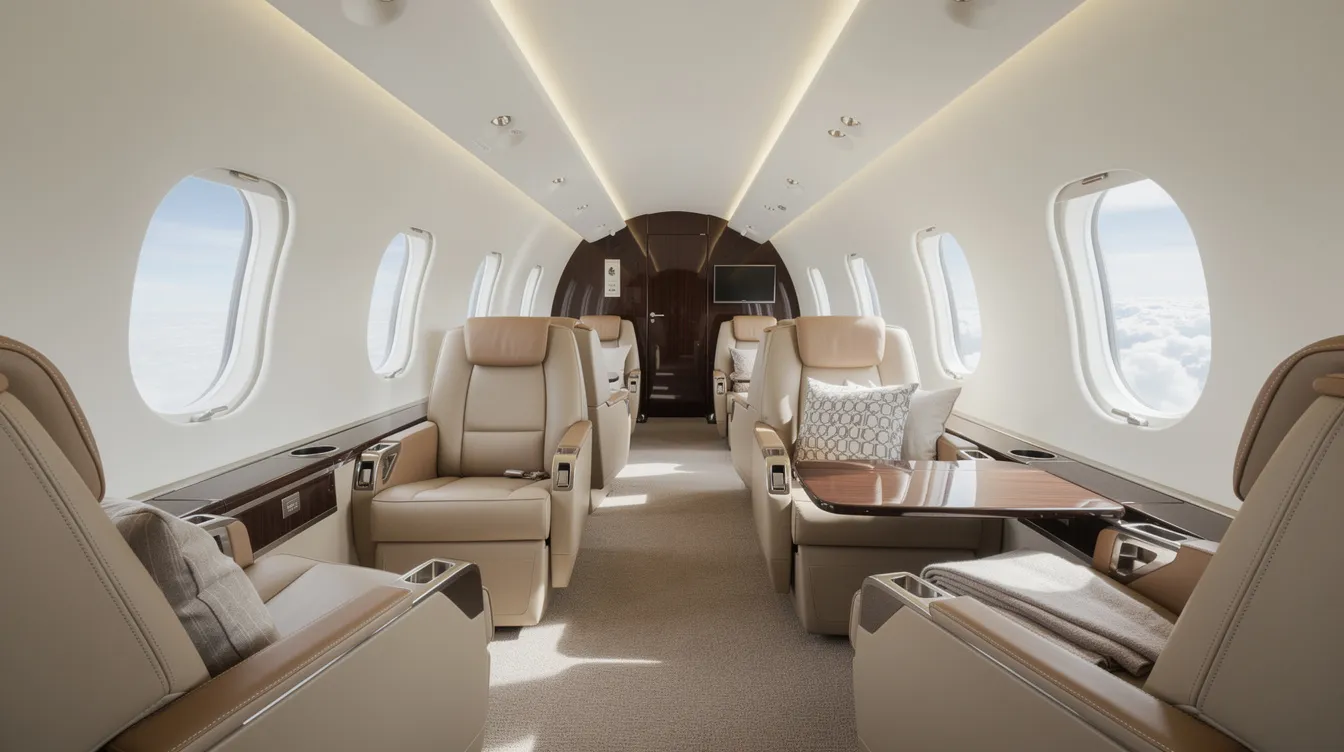
Membership programs provide access to global private aircraft, meaning you might fly a light jet one trip and a super midsize the next, depending on what's available. New flights are added daily.
The trade-offs are real: flexibility on dates is required for empty leg flights. You're working from what's available rather than building a custom itinerary. But for travelers who can adjust, the economics are hard to argue with.
Comparing Cost Structures: Charter vs Ownership vs Hoppyn
Here's how the three main models compare for a sample traveler taking 8 private flights per year, mostly 2-hour legs on light jets:
Factor | Full Ownership | On-Demand Charter | Hoppyn Membership |
|---|---|---|---|
Capital cost | $3M–$10M+ | None | None |
Annual fixed costs | $300K–$700K | None | $997/year |
Per-hour flight charge | $0 (you own it) | $3,750–$4,600 | $0 on empty legs |
Taxes & fees per trip | Yes | Yes | Yes |
Flexibility | Maximum | High | Moderate (route-dependent) |
Approx. annual spend | $400K–$800K+ | $50K–$80K+ | ~$997 + taxes/fees |
For this profile, private jet charter costs might total tens of thousands per year. Ownership would cost hundreds of thousands. Hoppyn stays near the membership fee plus small per-trip taxes - effectively converting the unpredictable per hour private jet cost into a predictable annual fee.
You can still charter normally for missions that don't align with empty legs. But Hoppyn can absorb a meaningful portion of your annual private jet travel at near-zero marginal cost.
How Hoppyn Helps You Manage the 'Hidden' Costs of Private Jets
Hoppyn removes per-hour aircraft charges from empty-leg flights, but certain third-party expenses still apply: government taxes (including federal excise tax where relevant), segment fees, and some airport or handling charges.
What Hoppyn does differently is transparency. Every potential charge is clearly itemized before you confirm a flight, so there are no surprises or opaque markups common in traditional charter quotes.
Hoppyn's platform and support team also help members understand variables like:
Airport selection (regional airports vs. major hubs and the fee difference)
Seasonal costs like deicing
International fee structures for cross-border legs
By focusing on under-utilized capacity, Hoppyn helps improve overall aircraft utilization in the industry, which indirectly helps stabilize operating costs across private aviation.
Who Should Consider Private Jet Ownership - and Who Shouldn't
Full private jet ownership makes sense when:
You fly over ~200–300 flight hours per year with consistent routes
You need guaranteed availability on your schedule
You can manage (or outsource) multimillion-dollar capital, crew, and maintenance
Your organization has the budget for total ownership cost in the seven figures annually
Below this threshold, the combination of hangar fees, crew salaries, insurance, maintenance, and depreciation makes cost per hour via jet ownership far higher than alternatives.
Most high-income travelers - frequent business travelers, entrepreneurs, families doing several trips per year - should consider charter, empty-leg flying, or membership models instead.
Even current private jet owners can use Hoppyn to fill gaps: when their aircraft flies to maintenance, when they need a different aircraft category, or when they want to offset operating costs by using empty legs for select trips. You can request specific flights through the platform.
How to Estimate Your Personal Private Jet Budget
Follow this framework:
Estimate annual flight hours: Count your expected business and leisure trips, typical flight distance and flight time per trip, and whether they're domestic or international.
Determine aircraft needs: Based on typical passenger count and range, identify whether you need light jets, midsize, or larger aircraft.
Apply charter rates: Multiply your estimated hours by the per-hour charter rate for your aircraft category, then add 15–25% for taxes, landing fees, fuel surcharges, repositioning fees, and other add-ons.
Run the Hoppyn scenario: Estimate how many of those trips could realistically align with empty-leg availability. For popular corridors, the answer is often "most of them."
Example: A traveler planning 10 flights per year averaging 2 hours each on light jets:
Charter estimate: 20 hours × ~$4,200/hr + 20% fees = ~$100,800/year
Hoppyn estimate: $997 membership + taxes/fees on confirmed legs = potentially under $5,000/year
Keep a travel log over 3–6 months to refine your assumptions. Consider the soft factors - time saved, access to regional airports, schedule control - that justify shifting trips from scheduled airlines to private planes.
For many readers, the annual Hoppyn fee of $997 per year will be trivial compared to even a single standard charter trip. That makes it a low-risk way to explore private aviation. Join Hoppyn today and start browsing.

Below are answers to the most common questions about private jet costs, empty legs, and Hoppyn membership that weren't fully covered above.
Do I still pay anything when I fly on a Hoppyn empty leg?
Hoppyn members do not pay aircraft charter or per-hour flight costs on confirmed empty legs. You are responsible for unavoidable third-party charges such as applicable taxes (including the 7.5% federal excise tax on eligible U.S. segments), government or customs fees, and certain airport or handling fees when they apply. These amounts are typically a small fraction of what a full charter would cost for the same route, and Hoppyn itemizes them clearly before you confirm so you see the total out-of-pocket cost upfront.
How often do empty leg flights become available, and on what routes?
Empty legs appear whenever operators reposition jets between paying missions, which happens daily on busy corridors like New York–South Florida, Los Angeles–Las Vegas, and London–Nice. Longer-haul routes generate repositioning flights regularly as well. Hoppyn updates its flight board every day with new empty-leg options worldwide, but exact routes and times are driven by underlying charter demand. Expect strong availability on popular business and leisure routes and more sporadic options in remote regions.
Can I choose the exact aircraft and schedule with Hoppyn like I can with charter?
Empty leg travel is less flexible than on-demand charter. The schedule, route, and aircraft type are largely set because the flight exists to reposition the jet for another paying client. With Hoppyn you choose from available legs that fit your needs, join waitlists early, and sometimes see multiple aircraft categories on similar routes - but you do not build a custom itinerary the way you would when paying standard per-hour charter rates.
Is there a limit to how many empty leg flights I can take each year as a Hoppyn member?
Hoppyn's model is built around unlimited free flights on empty legs for active members. There is no hard cap on flight hours or number of trips, subject to availability and any fair-use policies that protect overall member access. High flexibility - being willing to adjust dates, airports, or direction - dramatically increases the number of viable trips a single member can take in a year.
How does Hoppyn compare to a traditional jet card in terms of total cost?
Most jet card programs require a large upfront deposit - often tens of thousands or hundreds of thousands of dollars - and then bill every flight hour at a fixed per-hour rate plus taxes and fees. Hoppyn charges a flat annual membership fee of $997 and then no per-flight cost on empty legs. For travelers who can be flexible and align with empty-leg availability, Hoppyn can reduce the effective cost per hour of private jet access dramatically compared with typical jet card rates, especially on routes that frequently generate repositioning flights.
Conclusion: Making Private Jet Travel Work for You
Understanding private jet costs in 2026 is key to choosing the right access model for your travel needs. Whether you own, charter, or join a membership like Hoppyn, the total cost depends on your flight hours, aircraft category, and flexibility.
Full ownership offers maximum control but demands a significant capital investment and high fixed costs, making it practical only for those flying 200+ hours annually. Chartering provides flexibility without ownership burdens but can be costly per flight hour when adding taxes and fees.
Empty leg flights and membership programs like Hoppyn transform private jet access by leveraging underutilized repositioning flights. For a flat annual fee, members enjoy unlimited flight opportunities without hourly aircraft charges—dramatically lowering costs for flexible travelers.
If you want private jet travel without the traditional price tag, consider how empty leg flights through Hoppyn can make flying private affordable and accessible. Ready to browse empty-leg flights? Join Hoppyn today and start flying smarter.




Unlock Your Private
Jet Experience
Join our exclusive membership for
free flights today!

Explore More
Blogs


Join Our Exclusive
Newsletter
.png)






