
Private Jet Operators: How They Work, What They Cost, and Smarter Ways to Fly


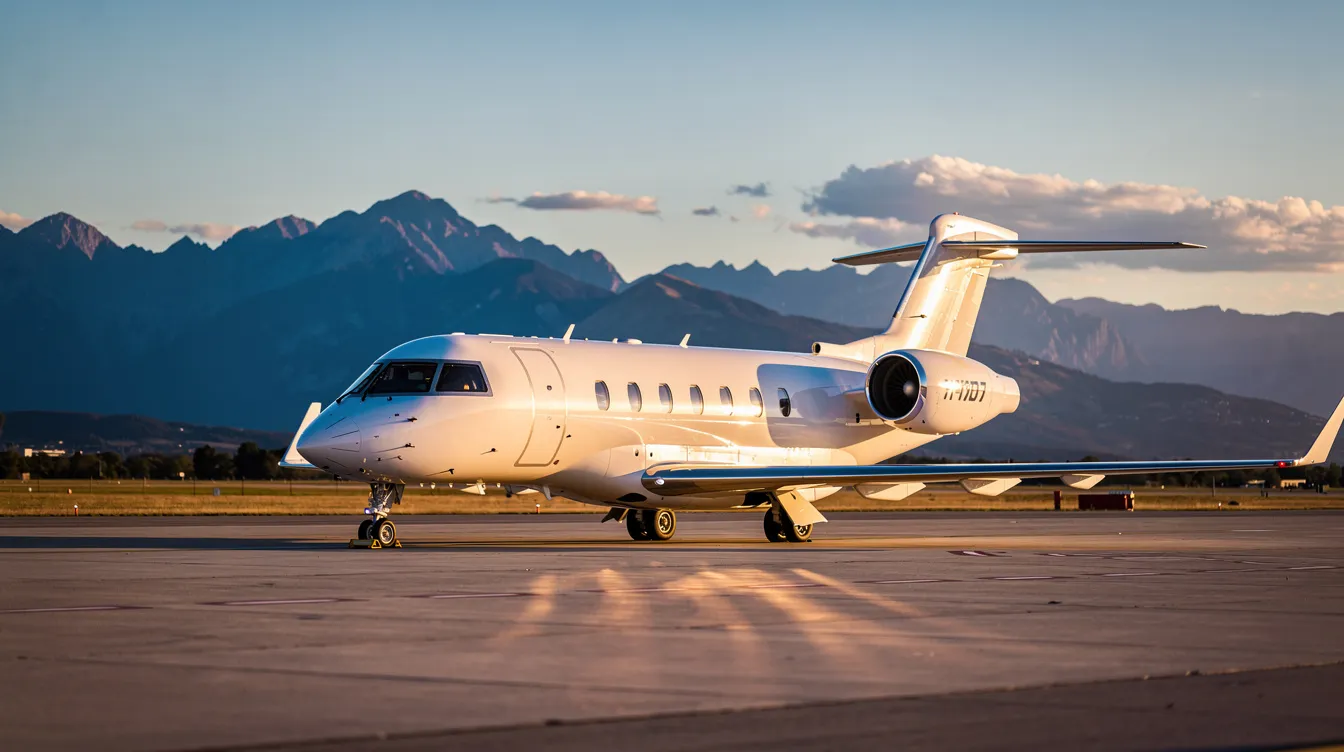
This guide is for travelers, executives, and anyone considering private jet travel who wants to understand how private jet operators work, what they cost, and how to choose the best option. Knowing how operators differ from brokers and platforms is crucial for making informed, safe, and cost-effective travel decisions. Private jet operators are the companies that actually fly you. They own or control the aircraft, employ the crew, handle maintenance, and log every flight hour. Brokers, apps, and platforms mostly resell their capacity. Understanding that distinction changes how you evaluate cost, safety, and access in private aviation.
Key Takeaways
Private jet operators hold the regulatory certificates (Part 135 for charter, Part 91K for fractional) that allow them to execute commercial flights. Every trip you take, whether booked through a broker, an app, or a membership, is flown by one of these operators through a licensed operating company. The private jet industry is divided into fleet operators and brokers; knowing which you're dealing with tells you who is responsible for your safety.
Traditional private jet charter with operators like NetJets, Flexjet, Vista, and flyExclusive runs from $3,000/hour for light jets to $15,000+/hour for large-cabin aircraft. Quotes can vary by $8,000 or more based on included fees, so pricing transparency is critical to avoid surprises.
Hoppyn offers a fresh perspective on this world: a flat $997/year membership that gives members access to empty-leg private jets with no per-flight cost once a seat is confirmed. Instead of locking you into one provider, working with multiple operators through Hoppyn gives broader access to light jets, midsize, and larger aircraft worldwide.
The rest of this article compares major private jet operators, breaks down charter vs. fractional ownership vs. membership, and shows how empty-leg flights can take your travel to new heights at a fraction of the usual cost.
1. What Is a Private Jet Operator? (And Why It Matters to You)
A private jet operator is the entity that holds an FAA Part 135 certificate (for on-demand charter) or Part 91K authorization (for fractional ownership programs). That operator employs the pilots, maintains the aircraft, and is legally responsible for every flight it executes. Clients may choose between operators who own aircraft and brokers who source flights, but the operator is always the one doing the flying.
Companies like NetJets, Flexjet, Vista, flyExclusive, and Solairus are operators. Apps and charter brokers connect you to them. Private jet operators cater to corporate executives and high-net-worth individuals, offering services for executive travel and corporate aviation. Whether you book a charter, use a jet card, or fly through a membership like Hoppyn, every trip flows down to an operator responsible for safety, aircraft upkeep, and flight hours.
Safety should be prioritized when choosing a private jet operator. Operator credentials matter more than brand marketing. Third-party safety audits verify the safety practices of private jet operators. Only 5% of operators hold both ARG/US Platinum and Wyvern Wingman certifications, so those badges carry real weight. Understanding how operators work is the key to choosing between charter, jet cards, fractional, and newer membership models.
2. How the Biggest Private Jet Operators Shape the Market
The top 30 private jet companies flew 1,725,728 hours in 2025, capturing 30.84% of all flight hours that year. A small group of large operators dominates the industry while hundreds of smaller companies fill the rest.
NetJets and Flexjet ranked first and second for five consecutive years.
NetJets averaged 1,970 flight hours per day in 2025 across its global fleet of roughly 792 aircraft.
Flexjet increased annual flight hours by 106,206 since 2021.
Vista moved into third place in 2023, surpassing Wheels Up, after combining VistaJet, XO (formerly XOJet Aviation), Air Hamburg, Talon Air, and Jet Edge under one group.
Smaller operators remain critical. They serve niche regions, operate specialized aircraft, and often provide personalized service that large companies cannot. This landscape of large and small operators is what powers private aviation apps, card programs, and empty-leg platforms like Hoppyn's global air charter network, supported by dedicated resources for charter operators that help them connect fleets and list repositioning flights effectively.
3. Types of Private Jet Operators: Fractional, Charter, and Management
Private jet operators fall into three main categories, and many companies span more than one.
Fractional ownership operators (NetJets, Flexjet) sell aircraft shares and jet card programs, manage fleets under Part 91K, and provide guaranteed access to flight hours for owners. Fractional ownership allows clients to buy a share of an aircraft for flight hours, typically with a long-term commitment, monthly management fees, and occupied hourly charges. Aircraft management services include hiring crew and regulatory compliance.
Charter-focused operators sell private flights by the hour under Part 135. On-demand charter is a flexible pay-as-you-go model without long-term commitments. These operators often serve brokers, apps, and end clients, offering light jets through large-cabin aircraft.
Aircraft management providers like Solairus primarily manage privately owned aircraft for individuals or corporations. Solairus Aviation operates over 355 private aircraft nationwide. When aircraft owners consent to making their jets available, these managed aircraft enter the charter market, adding fleet depth for brokers and members alike.
A single operator can support owner flights, charter, and fractional programs while remaining the one source of safety and operational oversight.
4. Light Jets, Midsize, and More: What Operators Actually Fly
Aircraft categories include light jets, midsize jets, and large-cabin jets. Most major operators field mixed fleets to cover different missions. Fleet suitability should align with clients' typical routes and passenger numbers.
Light jets (Embraer Phenom 300, Cessna Citation CJ3+): seat 6 to 8 passengers, cover 2- to 3-hour hops between cities like New York to Miami or Chicago to Florida. Operators deploy these most frequently, which means empty-leg inventory is richest in this class.
Midsize and super midsize jets (Citation XLS+, Challenger 350): handle coast-to-coast U.S. routes with a typical range of 5 to 7 flight hours. Mid-cabin space allows more comfort for longer trips.
Large-cabin and ultra-long-range aircraft (Gulfstream G650, Bombardier Global 7500): built for transatlantic and transpacific flights, operated at the top of private jet charter rates. These jets are equipped for global reach in private aviation, ensuring access to preferred airports and tailored logistics.
Aircraft type directly affects charter cost, empty-leg availability, and whether a flight is likely to appear on a membership board such as Hoppyn's empty-leg flights originating from major hubs. Light jets generate the most repositioning segments; heavy jets appear less often but offer unmatched cabin space when they do.

5. Private Jet Charter, Jet Cards, and Fractional Ownership Compared
Service models in private aviation include charter, memberships, and fractional ownership. Here is how the three traditional options compare.
On-demand charter: pay per trip. Light jets cost $3,000 to $5,000 per hour. Midsize jets range from $5,000 to $8,000 per hour. Heavy jets charge $8,000 to $15,000 per hour. A two-hour flight on a light jet costs about $12,000. Transatlantic heavy jet flights can reach $120,000. On-demand charter operators do not require long-term commitments, making charter ideal for occasional, high-stakes trips. Transparency in pricing requires clear quotes covering all potential charges, because quotes can vary by $8,000 based on included fees.
Jet cards: jet card programs allow clients to prepurchase flight hours for flexibility. Jet cards allow clients to buy blocks of flight hours for guaranteed availability. NetJets sells a 25-hour card starting at $215,000. Peak-day surcharges and notice periods apply, and you're often tied to one operator or group. The hourly rate on a jet card can run $8,600 or more once all costs are factored in.
Fractional ownership: buy a deeded share of an aircraft, typically requiring 50+ hours per year. Monthly management fees and occupied hourly charges apply regardless of whether you fly. Best for heavy, predictable usage where guaranteed access to specific aircraft categories matters.
All three models were designed before digital marketplaces and empty-leg platforms existed. They don't fully capitalize on how often private jets fly empty.
6. Empty-Leg Flights: The Hidden Side of Private Jet Operators
Every time an operator repositions an aircraft without passengers, that segment is an empty-leg flight. Empty-leg flights occur when jets return empty after a charter or fly to pick up the next client at a different airport. Roughly 30 to 40% of all private jet flight hours are repositioning segments.
Empty legs have historically been hard to sell because they are fixed in time, route, and aircraft type. Booking empty-leg flights usually requires flexibility in travel plans, which is why city-based tools like Hoppyn's City Hub for spontaneous empty-leg deals focus on travelers who can depart on short notice. They are often available on short notice, depending on the route. Brokers and operators have traditionally discounted these flights, sometimes 35 to 75% off standard charter rates, but still sold them as one-off deals rather than a structured product.
Empty legs exist across all categories. Light jets, midsize, super midsize, and large-cabin aircraft all generate repositioning segments whenever operators need to move jets for maintenance, next-day charters, or owner trips.
Environmental impact matters here too. Filling seats on flights that would otherwise fly empty is one of the industry's most direct sustainability initiatives. A global pool of these segments, operated by multiple operators, can become a membership benefit rather than a random bargain hunt.
7. A Fresh Perspective: How Hoppyn Turns Multiple Operators into a Membership Benefit
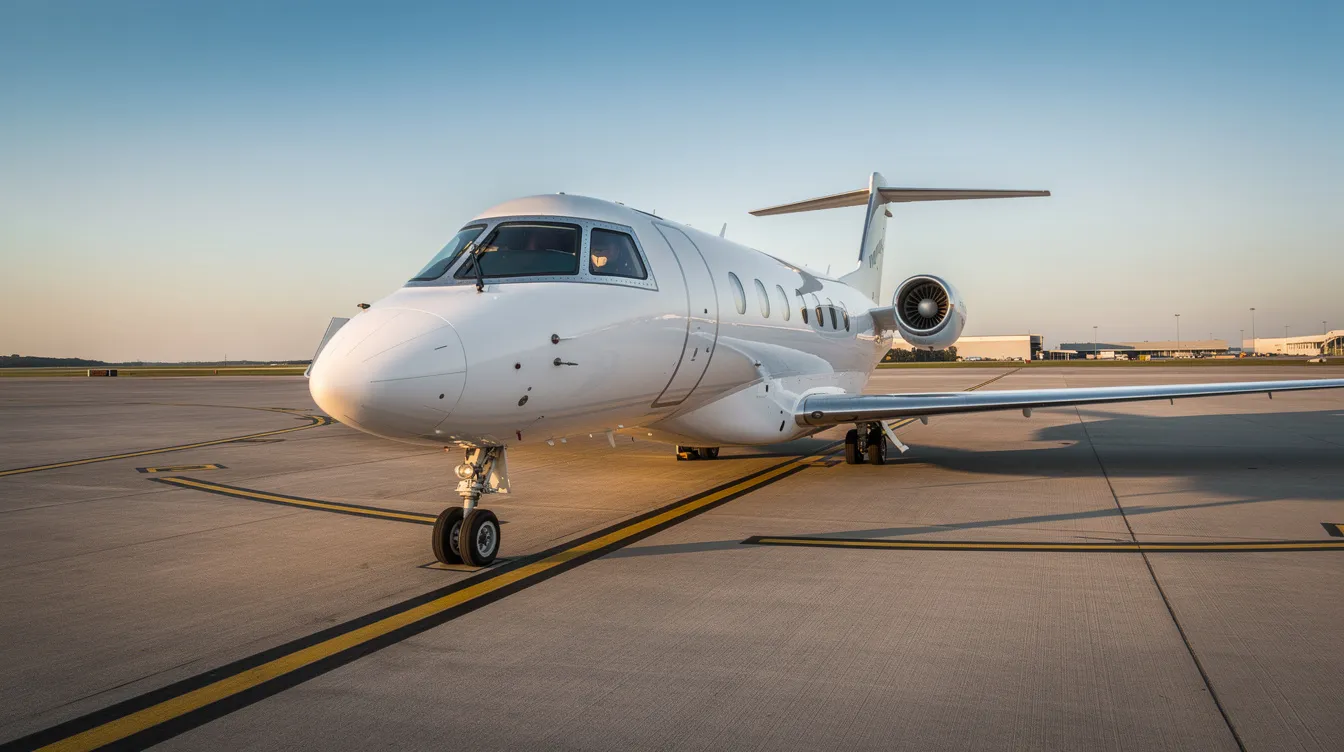
Hoppyn is not a private jet charter broker or operator. It is a membership platform that works across multiple operators worldwide rather than functioning as a single operating company. Instead of selling you hours at an hourly rate, Hoppyn sells access.
Members pay a flat annual fee of $997/year and can then book or join waitlists for available empty-leg flights with no additional flight cost once a seat is confirmed. Some memberships allow access to empty-leg flights at no cost; Hoppyn built its entire model around that principle. Private jet memberships offer guaranteed access to aircraft, and members can book flights with minimal lead time, often 24 hours. Membership programs often include 24/7 concierge support, and Hoppyn's team provides exactly that.
Here is how it works for members:
Browse the daily updated flight board for routes that match your plans
Select from light jets, midsize, or larger aircraft worldwide
Join waitlists and receive confirmations as seats open
Fly from private terminals on fully crewed, maintained aircraft
Hoppyn keeps each operator's distinct legacy and safety culture intact. Operators still fly and maintain the jets. Hoppyn handles membership, technology, and support. See how it works here.
8. Private Jet Operators, Safety, and What You Should Always Ask
No matter how you book, the operator's safety standards and credentials protect you. Safety standards require verification of operator and crew training practices. Here is what discerning travelers should always request:
Operator name and Part 135 certificate number (operators must disclose their Part 135 certificate holder)
Aircraft tail number
Pilot experience and recent hours in type
Safety ratings: ARG/US, Wyvern, IS-BAO
Operators must comply with local aviation authorities like the FAA or EASA
Large operators publish these credentials prominently. High-quality smaller operators rely on brokers, apps, and platforms to showcase their standards. Privacy and security practices are also important considerations in private aviation.
Hoppyn's stance: we only work with vetted operators, and members can always speak with our support team for operator details on a given empty-leg flight before confirming. A low price or an exciting route is never a good reason to skip due diligence on the underlying operator.
9. How to Choose the Right Private Jet Solution (And When to Use Hoppyn)
Different travel patterns call for different solutions. Reliability includes operational redundancy and recovery protocols for delays; operational reliability includes access to backup aircraft for mechanical issues. Concierge services in private aviation include bespoke trip coordination. Operators provide customized in-flight hospitality tailored to clients' preferences. Aircraft availability should match typical travel profiles for effective service.
Need | Best fit |
|---|---|
50+ hours/year, strict schedules, specific aircraft | Fractional ownership |
Occasional high-stakes trips, unique group sizes | On-demand charter via brokers |
Flexible timing, maximum savings, frequent flying | Hoppyn membership |
Membership tiers can provide different notice windows and access levels, and Hoppyn's model is built for travelers willing to plan around empty-leg opportunities rather than pay full charter rates. Private jet operators can confirm flights in as little as 24 hours, and Hoppyn passes that speed along to its members. Private jet charter services can accommodate specific travel requirements, so for mission-critical children's travel dates or immovable business schedules, traditional charter remains the right table to sit at.
Ready to see what's available? Browse empty-leg flights on Hoppyn's daily updated board, or join Hoppyn to start flying private at a fraction of what you'd hear quoted elsewhere. Your runway to affordable private aviation starts here.

Frequently Asked Questions
How is Hoppyn different from a traditional private jet operator or broker?
Private jet operators own or control aircraft and fly the missions. Brokers arrange charter trips and charge commissions on each flight. Hoppyn is a membership platform focused on empty-leg flights: we do not own jets, but we work with multiple operators and give members access to repositioning flights under one flat annual fee. Once a seat is confirmed, members don't pay per-flight charter charges. Global reach in private aviation ensures access to preferred airports, and Hoppyn's network spans operators worldwide. Phone or chat support is available around the clock.
Can I choose a specific operator or aircraft type when using Hoppyn?
Each empty-leg listing shows route, date, approximate time window, aircraft category (light jet, midsize, or larger), and operator details when available. Because empty legs are based on operators' repositioning needs, members cannot change the operator or aircraft on a given leg, but they can select from multiple flights that fit their plans. For mission-critical trips requiring exact timing, traditional charter may be a better fit. Hoppyn is best used as a complementary, low-cost way to fly more often, and aviation experts would agree that flexibility is the key to unlocking empty-leg value.
Are safety standards different on empty-leg flights compared with regular charter?
Empty-leg flights are operated under the same regulatory framework (typically Part 135) and by the same crews that fly full-price charter or fractional ownership trips. Safety, maintenance, and pilot training are governed by the operator's certification, not by whether the flight is sold as an empty leg or at full charter rate. Hoppyn's support team can help members understand who is flying them and what certifications the operator holds.
How often do empty-leg private jet flights become available worldwide?
Large operators fly thousands of repositioning segments every month, and some manage over seventy such segments in a short period. Empty-leg availability changes daily and is particularly dense on busy corridors like New York to South Florida or Los Angeles to Las Vegas, spanning decades of established air traffic patterns. Hoppyn's platform updates continuously as operators schedule or adjust flights. Flexible travelers who check the board regularly and join waitlists early will see the most options from the constantly shifting pool.
What costs should I still expect when flying on an empty leg with Hoppyn?
Hoppyn's promise is no flight cost beyond the flat annual membership for confirmed empty-leg seats. Members may still be responsible for mandatory taxes, airport charges, or optional services like catering and ground transport. Any such details are communicated transparently before confirmation, so you can decide whether to accept the flight. Even with these minor extras, empty-leg membership travel is typically far below standard charter pricing on comparable routes and aircraft types, delivering quality and brand experience for a fraction of the cost.
Conclusion: Smarter, Safer, and More Affordable Private Jet Travel with Hoppyn
Understanding private jet operators is key to navigating the private aviation world confidently. Whether you prefer fractional ownership, traditional charter, or jet cards, knowing who operates your flight ensures safety and transparency.
Hoppyn offers a fresh, accessible approach by unlocking the value of empty-leg flights through a simple, flat annual membership. This model gives you global access to premium aircraft across multiple operators without the high hourly costs or long-term commitments.
By embracing the empty-leg membership model, you gain flexibility, transparency, and significant savings—empowering you to fly private more often and on your terms. Ready to explore smarter private jet travel? Join Hoppyn today and start browsing empty-leg flights worldwide with no per-flight fees once confirmed.




Unlock Your Private
Jet Experience
Join our exclusive membership for
free flights today!

Explore More
Blogs


Join Our Exclusive
Newsletter
.png)






