Private Plane International Travel Guide: Private Jet And Charter Flights


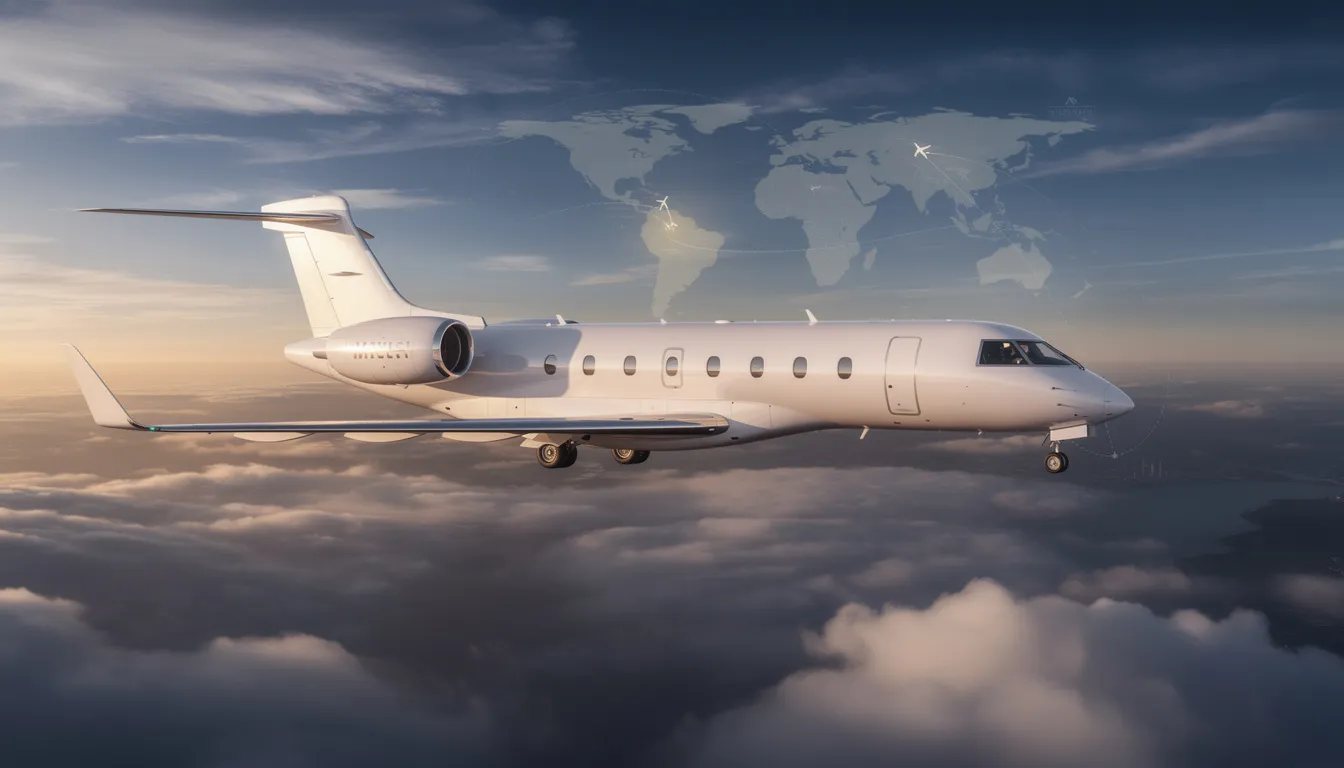
Think private jets are only for celebrities or CEOs? Not anymore.
International private plane travel is more accessible than most people realize. If you understand how private jet and charter flights actually work — from permits to pricing — you can fly globally with control, speed, and privacy that commercial airlines simply can’t offer.
This guide covers everything you need to know about private plane international travel: regulations, aircraft selection, booking, costs, safety, and real-world long-range route examples.
Defining Private Plane International Travel
Private plane international travel refers to crossing international borders on:
A private jet charter (on-demand flight)
A jet card program
A private jet membership
Fully or fractionally owned aircraft
Unlike commercial flights, you are not bound by fixed schedules or crowded terminals. You control:
Departure time
Airport selection (including major airports and regional airports)
Passenger list
Onboard experience
Aircraft type
Private international travel includes transatlantic flights, long-haul intercontinental routes, and regional cross-border flights, providing unmatched flexibility and convenience.
Who Flies Private Internationally?
Private jet international travel isn’t limited to billionaires.
Target Audiences
Business and leisure travelers, including executives attending global meetings
Founders scaling companies across continents
High-net-worth families traveling with children
Celebrities and public figures require discretion
Medical travelers
Groups traveling with specialized equipment
Travelers seeking maximum flexibility and privacy
Some book traditional charters, while others use structured membership models or platforms that provide access to empty-leg flights, offering cost-effective options and the ability to make last-minute changes.
Benefits Of Flying Private Jets Internationally
International private travel isn’t just about luxury. It’s about control and a superior travel experience.
Time-Saving Benefits Of Flying Private
Time is the biggest advantage. Flying privately saves time by avoiding:
Long security lines and check-ins are typical of commercial air travel
TSA lines
Layovers
Boarding queues
Baggage carousels
You typically arrive 15–30 minutes before departure, enabling you to simply enjoy a stress-free travel experience. For example, executives flying from New York to London can reclaim half a business day.
Flexibility Of Private Terminals
Private jets operate through Fixed Base Operators (FBOs), not commercial terminals, offering:
Dedicated security
Private lounges
Direct aircraft access
No public boarding gates
You can arrive at conveniently located private terminals, avoiding crowded terminals and long lines, and pull up directly to the aircraft steps.
Scheduling Flexibility
Commercial airlines dictate departure times, but private charter flights operate on your own schedule. You can:
Adjust departure times
Change destination airports, including smaller airports closer to your final destination
Add intermediate stops
Modify passenger lists
This flexibility is critical for multi-city international business trips and adapting to last-minute changes.
Privacy Advantages
Privacy is a core reason people fly private internationally. You avoid:
Crowded cabins
Shared boarding areas
Public flight manifests
Cabin discussions remain confidential, enabling discreet business meetings and travel without the risk of eavesdropping.
Discretion Practices
Operators maintain strict confidentiality standards through:
Non-disclosure agreements
Secure passenger manifests
Limited crew access to sensitive information
For high-profile individuals, discretion isn’t optional — it’s essential.
Enhanced Health Safety
Private jets significantly minimize exposure to germs and airborne illnesses due to fewer passengers and controlled environments, offering a safer travel option during health concerns.
Superior Cabin Comfort and Amenities
Private jet cabins are designed for maximum comfort, featuring plush leather seats, full lie-flat options, and quiet cabins with advanced air filtration. High-end jets include amenities such as high-speed Wi-Fi, satellite connectivity, entertainment systems, gourmet catering, and dedicated flight attendants. These features allow private planes to serve as secure mobile offices or private sanctuaries for travelers.
Generous Luggage Allowances
Private jets generally offer more generous luggage allowances than commercial airlines, with long-range jets providing large, climate-controlled baggage compartments and options for upgrades.
Regulations, Permits, And Customs For International Travel

International private flights involve more regulatory coordination than domestic flights.
Required Travel Documents
Passengers typically need:
Valid passport (minimum 6 months validity recommended)
Required visas
Entry permits for certain countries
Health declarations, if required
Crew documentation is managed by the operator.
Overflight Permits
An overflight permit is required when your aircraft passes through a country’s airspace without landing. Many countries require formal authorization before entry into controlled airspace. Failure to secure this can result in:
Route denial
Fines
Forced rerouting
Landing Permits
Landing permits authorize the aircraft to physically land in a foreign country. These must often be secured days in advance, with timelines varying by country.
Customs And Immigration Procedures
Private terminals significantly streamline customs and immigration.
Expedited Customs Processing
Many FBOs offer:
On-site customs officers
Separate immigration processing
Reduced waiting times
You’re not funneled through commercial queues, saving time and stress.
Passport And Visa Requirements
Ensure passports:
Are valid for the required duration
Have sufficient blank pages
Match the passenger manifest exactly
Some countries require visas even for short business visits. Your operator or charter broker should verify visa requirements and coordinate arrival documentation.
International Flight Permits And Overflight Rights
Permit coordination is complex and critical for an efficient journey.
Securing Overflight Permissions
Typically handled by:
Flight operations teams
International permit specialists
Third-party aviation service providers
Lead times vary from 24 hours to several days.
Use An Operator To File Permits
Do not attempt to self-file permits unless you operate the aircraft. Experienced charter operators manage diplomatic clearances, traffic rights, overflight approvals, and slot coordination.
Aircraft Clearance And Handling At Destinations
Ground logistics are essential for a smooth travel experience.
Arrange Ground Handling In Advance
Ground handling includes:
Aircraft marshaling
Parking coordination
Crew transport
Passenger transfers
Confirm availability early, especially in peak seasons.
Confirm Refueling
Fuel logistics should be pre-arranged to avoid departure delays, lock in fuel pricing, and ensure access to the preferred fuel provider.
Confirm Maintenance Availability
On long-haul routes, verify on-site maintenance support, spare parts access, and backup planning for mechanical issues.
Choosing The Right Private Jet and Long-Range Jets
Selecting the right aircraft balances range, comfort, and cost for your travel needs.
Leading Providers and Aircraft Selection
Companies like XO provide access to more than 2,000 hand-selected aircraft across all cabin classes, ensuring a broad selection for international private travel. NetJets offers a fleet of long-range private jets designed to fly up to 14 passengers for up to 16 hours nonstop, ideal for intercontinental journeys.
Compare Jet Classes By Range
Light jets: 1,500–2,000 nautical miles (suitable for shorter international or regional flights)
Midsize jets: 2,000–3,000 nautical miles (good for transcontinental flights)
Super midsize jets: 3,000–4,000 nautical miles
Long-range jets: 5,000–7,500+ nautical miles (preferred choice for transatlantic and intercontinental travel)
Heavy jets, averaging 7,000 miles or eight hours of nonstop flying time, are especially suited for international travel.
Compare Jet Classes By Capacity
Light jets: 4–8 passengers
Midsize jets: 6–9 passengers
Super midsize jets: 8–10 passengers
Long-range jets: 10–19 passengers
Recommended Long-Range Jets For Transatlantic Flights
For New York to London, aircraft like the Bombardier Global 7500 and Gulfstream G600 are popular choices. The Global 7500 is known for its ultra-long-range capabilities, capable of nonstop flights from San Francisco to Sydney, combining range with luxury and efficiency.
Cabin Comfort Considerations
Long-haul flights require:
Full lie-flat seating
Quiet cabins with advanced air filtration
Separate sleeping zones
Onboard Amenities
Look for:
High-speed Wi-Fi and satellite connectivity
Full galley with customizable catering
Dedicated flight attendant
Private lavatory
Operator Safety Verification
Always verify operator certifications, regulatory approvals, and compliance with safety audits. Trusted operators hold third-party safety ratings such as ARGUS or WYVERN.
Maintenance Verification
Confirm aircraft maintenance history, inspection compliance, and maintenance tracking systems.
Long Range Jets Vs Super Midsize
Super midsize jets may complete shorter transatlantic routes under favorable winds; however, long-range jets provide:
Greater payload capacity
Higher fuel reserves
Better cabin comfort
Fewer technical stops
Trip Planning, Airports, And Private Terminals
Airport selection matters for convenience and efficiency.
Select Airports Offering Private Terminals
Choose airports with:
Dedicated FBO facilities
International customs on-site
Efficient ground access
Plan Routes To Minimize Ground Travel
Sometimes flying into a secondary or regional airport reduces total travel time.
Consider Weather Impacts
Long-haul flights require evaluation of weather conditions, including:
Wind patterns
Seasonal storm tracking
Alternate routing plans
Identify Alternate Airports
Always file alternates in case of weather disruption, airspace restrictions, or slot limitations.
Private Jets Access More Airports
Private aircraft can access over 5,000 airports in the U.S., while commercial airlines serve approximately 500 major hubs. This access to smaller, less congested airports saves time and brings you closer to your final destination.
Booking Private Charter Flights And Air Charter Service Options
Booking a private jet involves selecting a dedicated charter specialist to assist with arrangements. This expert guides you through aircraft selection, permits, pricing, and travel plans, ensuring a seamless process.
On-Demand Charter vs Jet Cards
On-demand charter offers pay-per-flight flexibility with no long-term commitment.
Jet cards provide prepaid flight hours, locked pricing, and priority access.
Membership models may also offer access to empty leg flights, providing cost-effective options.
Requesting Instant Pricing
Provide:
Departure and destination airports
Dates and flexibility
Passenger count
Aircraft preference
Information To Provide When Booking
Full passenger names (as on passport)
Date of birth
Passport numbers
Special luggage and catering preferences
Use Vetted Air Charter Service Providers
Work only with certified operators that offer transparent pricing and a proven safety track record.
How To Book Private Charter Flights Quickly
Use this checklist:
Confirm route details (departure city, destination, alternate airports)
Confirm passenger details (legal names, passport info, special assistance)
Review pricing (base flight cost, international fees, handling charges)
Confirm policies (cancellation terms, refund structure, schedule change flexibility)
Costing, Pricing, And Financial Options
International private travel includes multiple cost components.
Charter Pricing Components
Hourly aircraft rate
Crew costs
Fuel
Landing fees
Overflight permits
Ground handling
International taxes
Charter vs Ownership Costs
Full ownership includes acquisition cost, crew salaries, maintenance, hangar fees, and insurance, while charter avoids fixed asset risk.
Budget For International Fees
Include navigation fees, permit costs, customs fees, and ground handling expenses that vary by airport and country.
Typical Pricing Ranges
Costs for private jet rentals vary significantly, ranging from $1,800 to $17,800 per hour depending on the aircraft type. A short 40-minute flight in a small plane could cost around $2,800, while a 1.5-hour flight in a midsize jet may be closer to $34,500. International flights generally cost more due to distance, landing fees, customs handling, and additional permits.
Chartering a private jet can be more economical for larger groups or multi-stop trips compared to first-class commercial tickets.
Safety, Security, And Crew Standards
Safety is non-negotiable.
Verify Crew Certifications
Ensure pilots hold appropriate type ratings, international flight qualifications, and valid medical certifications.
Verify International Experience
Long-haul international flying requires knowledge of oceanic procedures, international ATC coordination, and cross-border operations experience.
In-Flight Security Protocols
Operators should have security screening processes, risk assessments, and secure handling of passenger data.
Safety Audit Compliance
Confirm operator compliance with recognized aviation safety audits.
Personalized And Discreet Security Screening
Private flight offers more personalized and discreet security screening processes than commercial travel, enhancing passenger privacy and comfort.
In-Flight Services, Amenities, And Luggage Policies
International private travel should feel seamless.
In-Flight Amenities
Premium seating
Customized catering
Dedicated cabin crew
Entertainment systems
Connectivity Options
Satellite Wi-Fi
Secure communications
International phone access
Luggage Allowances
Private jets offer greater flexibility than commercial airlines, but cabin space varies by aircraft size.
Luggage Upgrade Options
Long-range jets offer larger baggage compartments and climate-controlled storage.
Catering And Special Requests
Submit catering requests 24–72 hours in advance; special meals may require longer lead times.
Case Studies And Popular Long-Range Routes, Including New York
New York To London
Route: Teterboro to London
Aircraft: Global 7500
Estimated flight time: 6–7 hours
Estimated charter cost: $90,000–$150,000
New York To Beijing
Route: JFK to Beijing
Aircraft: Gulfstream G600
Estimated flight time: 14–16 hours
Estimated charter cost: $180,000–$300,000
Costs vary by season and fuel type.
Frequently Asked Questions
Can I Travel With Pets Internationally?
Yes, but you must comply with the destination country's pet import regulations.
Are There Quarantine Requirements?
Some countries require health documentation or quarantine for animals.
When Should I Arrive At The Private Terminal?
Typically, 15–30 minutes before departure.
What Are Refund Policies?
Refunds depend on the operator's terms and cancellation window.
What Happens If I Cancel?
Late cancellations may incur partial or full charges.
Conclusion: Planning Your Private Plane International Travel
International private jet travel requires:
Proper permits
Aircraft selection
Safety verification
Detailed logistics planning
But when executed properly, it delivers unmatched flexibility, privacy, and efficiency, saving time and enhancing your travel experience.
If you're exploring private international travel options— such as more cost-effective options like access to empty-leg flights—understanding your choices is the first step.
Ready to request a quote?
Contact a vetted private jet operator or air charter service today to:
Compare aircraft options
Review route feasibility
Confirm international permit timelines
Receive transparent pricing
International private travel is no longer reserved for a select few.
With the right planning, you can fly globally — on your own schedule and on your own terms.




Unlock Your Private
Jet Experience
Join our exclusive membership for
free flights today!

Explore More
Blogs


Join Our Exclusive
Newsletter
.png)