
Small Aircraft Flights: How To Fly Private For Less With Empty Legs


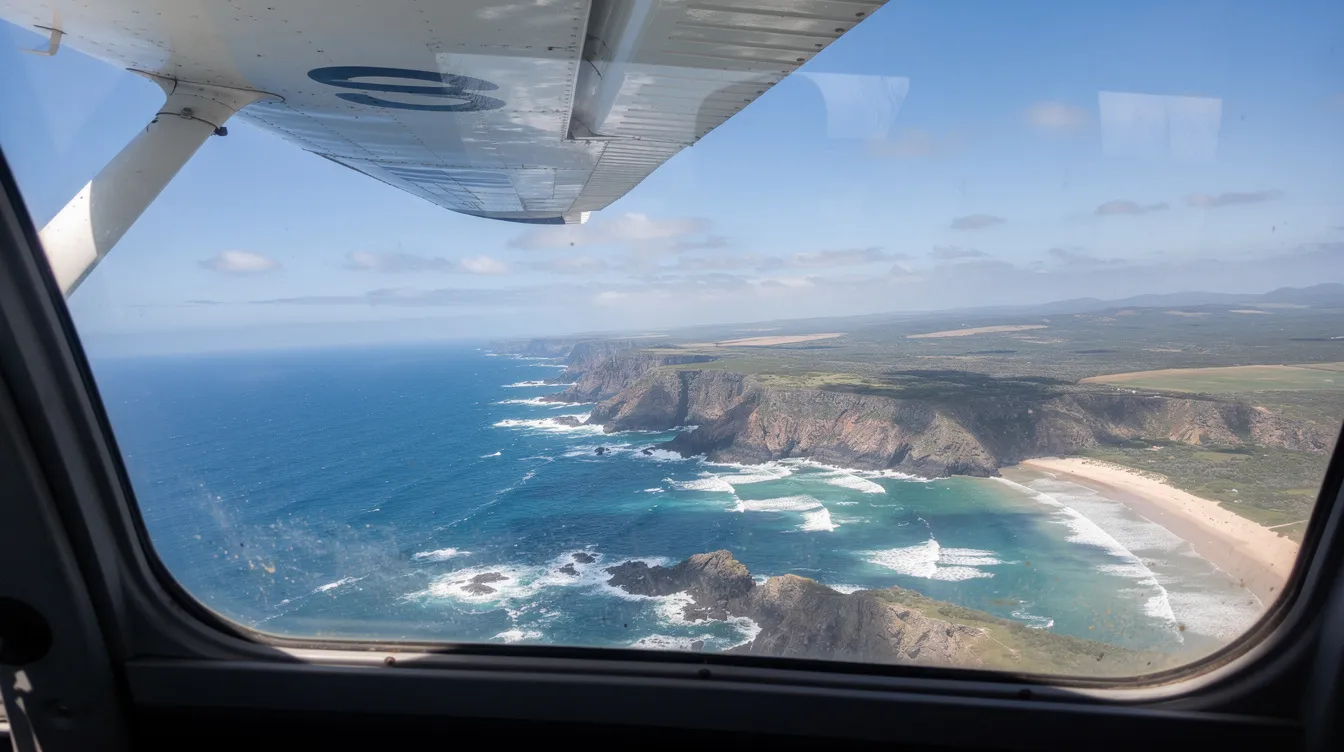
Think private jet travel requires a $20,000 charter invoice or a fractional ownership stake? It doesn't. Small aircraft flights on turboprops and light jets are making private aviation realistic for travelers who value their time but also respect their budget. The key is understanding how empty leg flights work and how a membership model can unlock them without per-flight costs. This guide is for travelers seeking affordable private aviation options. Small aircraft flights are changing the way people access private travel, making it more accessible and cost-effective.
This guide covers the aircraft you'll actually fly, the routes where empty legs appear most often, and how to get from browse to boarding with Hoppyn's flat-fee approach.
Key Takeaways
Small aircraft flights on turboprops and light jets can cut total door-to-door trip time by 40–60% on routes like New York to Boston or Los Angeles to Las Vegas. That means less time in terminals, fewer connecting flights, and more time at your final destination.
Hoppyn isn't a traditional private charter or jet card provider. Members pay a flat $997/year to access empty leg flights on premium small aircraft with no per-flight cost. Membership services can save travelers 30–50% on flights compared to standard charter pricing, and the model eliminates hidden fees through transparent pricing.
Empty leg opportunities often mirror popular routes such as New York to Miami, Los Angeles to Las Vegas, and intra-Europe hops like London to Paris. These flights operate on pre-set schedules and directions, so flexibility is your biggest asset.
For travelers flying under roughly 150 private hours per year, a membership to access empty legs is typically more affordable than on-demand charter, fractional ownership, or jet cards. Hoppyn's platform lists global empty-leg light jets and turboprops, updated daily, with simple waitlist booking and 24/7 support.
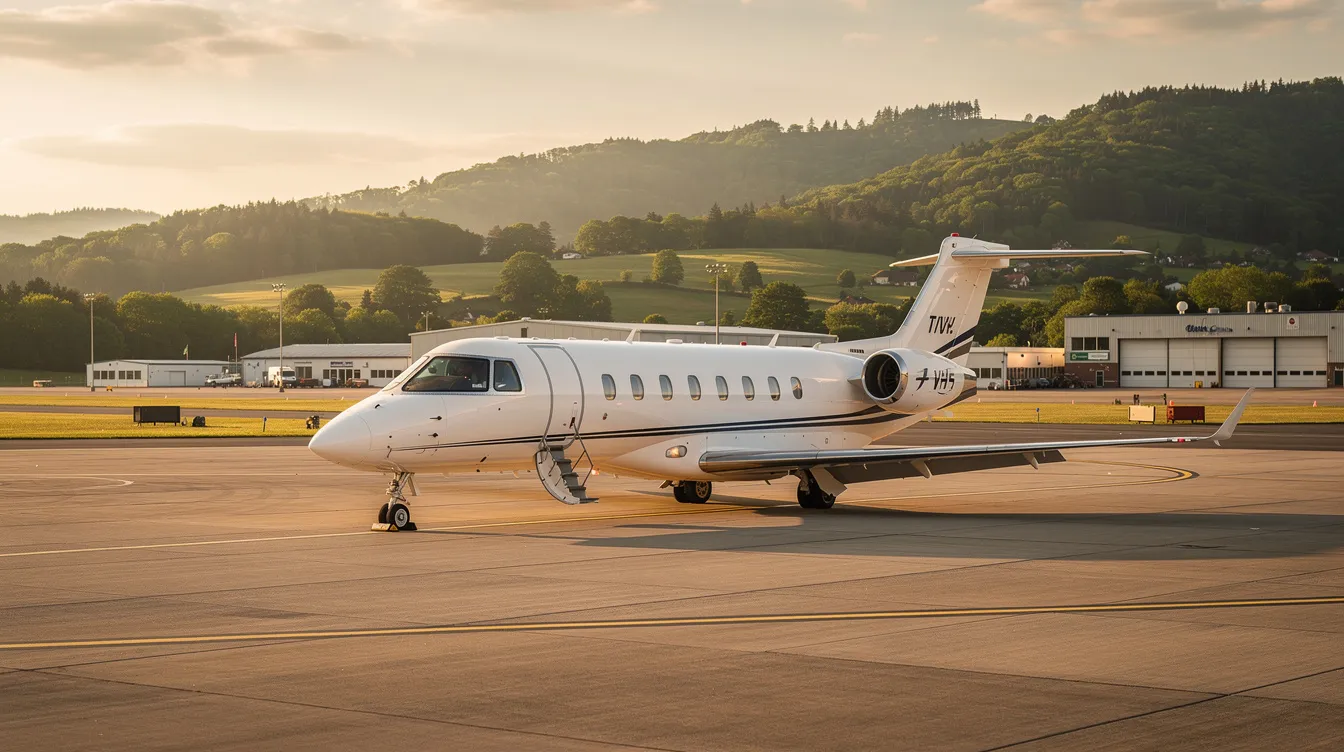
What Counts As A "Small Aircraft Flight" In Private Aviation?
Manned small aircraft fall under general aviation as recognized by the FAA, and the category is broader than most people realize. In the context of private aviation, "small aircraft flights" typically mean piston aircraft, turboprops, very light jets (VLJs), and light jets with different passenger capacities ranging from 2 to 9 seats.
Small aircraft flights for private or recreational purposes vary in categories well beyond charter. Private flying allows individuals to rent or own small airplanes for personal trips, while personal travel involves flights conducted by private pilot license holders. There's also tailwheel flying, which focuses on landing on rough, unpaved strips using rugged aircraft, and amphibious aircraft used for water-based private flying. Light sport aircraft offer easier paths for recreational flying with simplified licensing, governed by specific pilot certificate requirements. Beyond that, you'll find discovery flights (hands-on lessons with a certified flight instructor), scenic flights offering guided tours over landmarks, glider flights using rising air currents, warbird rides in historic military trainers, aerobatic flights involving high-intensity maneuvers in specialized stunt planes, air taxis designed for short regional hops, ultralights permitting basic recreational flying with minimal certification requirements in some regions, and helicopters requiring separate private pilot licenses.
But for the purpose of flying between cities affordably, here are the categories that matter most:
Cessna 172 (Piston): Piston aircraft typically seat 2–4 passengers. The Cessna 172 is the most-produced airplane in history with over 44,000 units built. Used mainly for very short hops and training.
Pilatus PC-12 (Turboprop): Turboprops can accommodate 6–9 passengers and cruise at 260–300 KTAS. The PC-12 offers roughly 1,500 nm range and excels on regional routes like New York to Boston or island hops.
Cirrus Vision Jet (VLJ): Seats about 5 passengers, range ~1,200–1,300 nm. Ideal for quick 1–2 hour flights with a small group.
Citation M2 / HondaJet Elite II (Light Jet): Light jets usually seat 6–8 passengers with ranges of 1,300–1,700 nm. Faster, pressurized, and suited for 2–3 hour regional trips.
These are the aircraft type categories most commonly used on empty leg flights and short-notice private charter flights, and they're what you'll see most often when you browse available flights or explore spontaneous one-way empty leg deals from your city.
Why Small Aircraft Flights Can Beat Commercial Flights Door-To-Door
The time savings from small aircraft flights come from three places: access to smaller airports, skipping TSA lines, and flying direct instead of connecting through hubs. Small aircraft can access over 5,000 smaller airports in North America alone - and over 5,000 smaller airports globally - most of which aren't served by commercial airlines. That means your departure and arrival points can be minutes from where you actually need to be, not an hour-long cab ride away.
Smaller airports reduce ground time and congestion significantly, and their simpler security procedures allow for faster check-ins. You're typically arriving 15–20 minutes before departure at a private terminal, not 90 minutes early at a crowded commercial terminal. Access to smaller airports allows direct routes closer to destinations, cutting total travel time dramatically.
Consider these route comparisons:
New York (White Plains/Westchester) to Boston (Hanscom): About 1–1.5 hours of flight time in a light jet, plus 20 minutes of check-in. Total door-to-door: roughly 2 hours. Commercial from JFK with security and ground transportation on both ends? Closer to 4 hours.
Los Angeles (Burbank) to Las Vegas (Henderson): Under 1 hour airborne, 20-minute check-in. Compare that with LAX security lines, boarding, and the drive from the Strip to Henderson. Private jets can save 4–6 hours on routes like New York to Miami, and similar savings apply on a round trip between LA and Vegas.
Who benefits most from these time savings? Typical traveler profiles include:
A founder doing same-day investor meetings across New York and Boston
A family heading to Las Vegas for a long weekend
Small groups doing a ski trip from Denver to Aspen
A couple flying from Los Angeles to Napa for a Saturday dinner
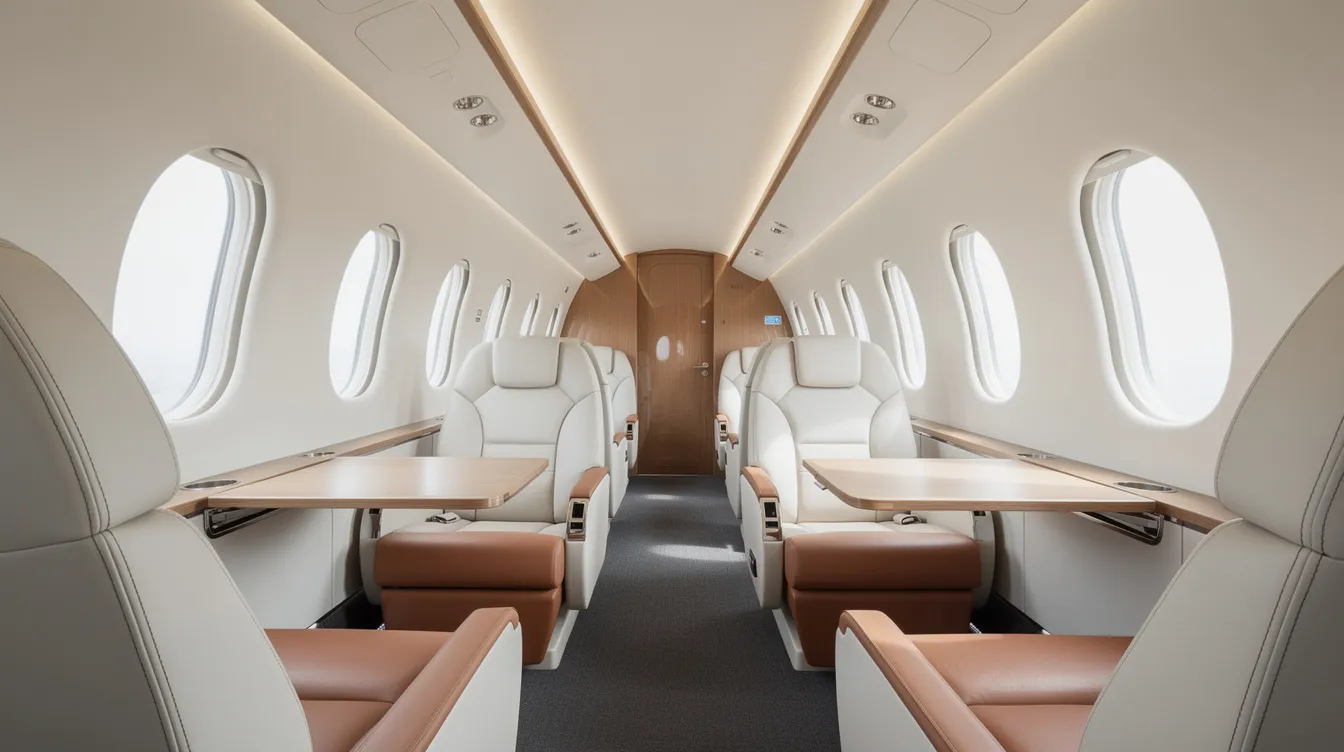
Small aircraft cabins often include Wi-Fi, power outlets, and quiet workspaces with ample room to spread out, turning previously wasted airport and flight time into productive hours. For a deeper look at cabin comfort, check out the best seat on a private plane.
Small Aircraft Types You'll Commonly See On Empty Leg Flights
Empty legs are often scheduled on the most in-demand small aircraft: turboprops, VLJs, and light jets repositioning between popular city pairs. Here's what you're likely to see on a platform like Hoppyn, which relies on charter operators who connect their fleets and list repositioning segments through dedicated resources for charter operators:
Pilatus PC-12: 6–9 seats, ~1,500 nm range. Turboprops like the Pilatus PC-12 can take off from runways as short as 2,000 feet. Perfect for island hops, remote field access, and East Coast regional runs.
King Air 350: 8–11 seats, ~1,500 nm range. Popular for charter to smaller airports, weekend group trips, or combining passengers and light cargo.
Cirrus Vision Jet: ~5 seats, ~1,200–1,300 nm range. Very light jets (VLJs) seat 4–6 passengers with a range of 1,100–1,200 nm. Best for 1–2 hour hops with a couple or small group.
Embraer Phenom 100: 4–6 seats, ~1,100–1,200 nm range. Well suited for dense business corridors like New York to Chicago.
HondaJet Elite II: 5–6 seats, strong fuel efficiency. A particularly efficient aircraft for medium regional flights.
Citation M2: 4–5 seats, good mix of speed and comfort. Solid choice for business or quick leisure.
Citation CJ3: More spacious among light jets, longer range. Suited for cross-country U.S. or European routes.
While heavy jets and super midsize aircraft do appear in empty-leg inventories, small aircraft flights dominate regional empty-leg aircraft availability because turboprops and light jets make up a huge share of the Part 135 charter fleet. According to FAA data, there are over 1,683 fixed-wing turboprops and 17,389 fixed-wing turbojets active under Part 135 operations.
How Empty Leg Flights Make Small Aircraft Travel Affordable
Empty-leg flights are repositioning flights without passengers. They happen when an aircraft needs to fly to its next booked client or return to base after completing a paid charter. Rather than burning fuel with zero revenue, operators list these flights at steep discounts, with some membership programs offering unlimited free empty leg flights from Toronto.
Here's a concrete scenario: a light jet flies a paid private charter flight from Los Angeles to New York on Monday. On Tuesday, the operator needs it in Miami for the next booking. That Los Angeles-to-Miami repositioning creates an empty leg. The plane is flying regardless. They can save travelers 30–50% compared to regular charters by filling those otherwise vacant seats.
Empty-leg flights are often available on short notice - roughly 28% of listings appear within 72 hours of departure, according to industry tracking data. Booking can often be arranged with 12–24 hours' notice when timing works out.
Hoppyn's model differs from standalone empty-leg marketplaces. Instead of paying per empty leg, members pay one fixed annual fee and then fly empty legs at no additional flight cost once confirmed. Semi-private flights sell individual seats on small regional jets or turboprops, but Hoppyn provides access to full empty-leg capacity.
The trade-offs are real: fixed direction, pre-set date and time, and potentially last-minute changes. Private chartering allows full aircraft rental for customized travel schedules, but that flexibility comes at multiples of the cost. Empty legs are built for flexible travelers who can adapt.
Hoppyn vs Traditional Private Charter, Jet Cards, And Ownership
There are four main ways to access private flights on small aircraft. Here's how they compare.
On-demand charter gives you full control over route, schedule, and specific aircraft, letting you book flights as needed without long-term commitments, as seen with established operators like Tradewind Aviation. Operating costs are passed through at hourly rates:
Piston aircraft charter costs range from $800 to $2,000 per hour
Turboprop charters typically cost between $2,000 and $4,000 per hour
Light jet charters range from $4,000 to $7,000 per hour
On-demand charter allows booking flights as needed without long-term commitments, but the per-trip cost is substantial. Platforms like Jettly provide on-demand access to 20,000+ aircraft globally, and a charter broker can help source the appropriate aircraft.
Jet cards require upfront deposits (often $150k+), fixed hourly rates, and typical minimums of 25–50 hours per year. They lock in pricing but demand significant capital and usage commitment. Peak day surcharges and additional fees can inflate the actual cost beyond the stated rate.
Full or fractional ownership of small aircraft like a Pilatus PC-12 or light jet involves purchase price, maintenance, hangar, crew salaries, insurance, and depreciation. It usually only makes sense above 200–300 flight hours per year - well beyond what most travelers need.
Hoppyn's empty-leg membership flips the math. Annual membership fees for private jet access can be as low as $997. Members can access over 20,000 aircraft globally through membership services, with no per-flight fee. Travel membership eliminates hidden fees and offers transparent pricing. For travelers who are flexible and want multiple trips a year without capital lock-up or long term commitments, it's a fundamentally different equation. Learn more about how it works.
Popular Small Aircraft Routes: From New York To Los Angeles And Beyond
Small aircraft flights and empty leg opportunities concentrate on popular routes where private aviation demand is high and aircraft reposition frequently. These flights typically operate on popular routes like New York to Miami, and here are the corridors where you'll see the most activity:
U.S. corridors (approximate light jet flight time):
New York – Miami (~2.5–3 hours)
New York – Boston (~1 hour)
New York – Chicago (~2 hours)
Los Angeles – Las Vegas (~1 hour)
Los Angeles – San Francisco (~1.5 hours)
Dallas – Houston (~1 hour)
International examples:
London – Paris
Geneva – Nice
Milan – Ibiza
These European routes see frequent small jet movements and empty legs, particularly during peak leisure travel and holiday seasons.
Hoppyn members will often see empty legs along these city pairs on the live board, but aircraft availability shifts daily as new private charter bookings are made. Membership services provide access to exclusive flights and routes that change constantly - checking daily is the best strategy. Empty-leg flights provide access to over 3,000 airports globally, opening up destinations far beyond what commercial airlines serve.
Small Aircraft Flights With Hoppyn: How The Membership Works
Hoppyn's core offer is straightforward: unlimited free flights on eligible empty legs after paying a flat $997/year membership, with no hidden per-seat or per-hour aircraft fees. You're not configuring a custom charter - you're leveraging under-utilized capacity that's already in the system.
The membership includes:
Global access to empty-leg light jets and turboprops (typically 4–8 seat aircraft)
Daily flight board updates with new routes
Ability to join waitlists for flights that match your travel needs
24/7 support from the Hoppyn team
No membership fees beyond the annual rate - no per-flight charges
Hoppyn is not a traditional charter broker. You don't call in with a custom route and get a quote. Instead, you browse what's available, join waitlists, and get confirmed when the operator finalizes repositioning. The travel experience is different from standard charter, but the cost structure is radically more accessible for many travelers. Small aircraft booking offers flexibility unlike commercial airline tickets - you're choosing from real flights on real aircraft.
Step-By-Step: Booking A Small Aircraft Empty Leg Through Hoppyn
Here's the process from signup to boarding:
Create your account on Hoppyn and activate your annual membership.
Browse the live empty-leg board by origin, destination, and date. You can filter by region and see the aircraft type listed for each flight.
Join waitlists on routes that fit your trip. All adult passengers must provide valid government-issued photo identification before flying. Booking a small aircraft flight involves providing details like departure, date, and passenger count. Include pet details if traveling with animals.
Wait for confirmation. When an operator finalizes the repositioning, your seat is confirmed and you receive itinerary details: FBO address, departure time, and aircraft type.
Arrive at the private terminal 15–20 minutes before departure. Passenger manifest information is collected before departure for security verification.
Board and fly. No TSA lines, no boarding groups, no overhead bin battles.
Arrive closer to your final destination at a smaller airport with minimal ground transfer.
Booking a small aircraft involves detailing trip specifics including route and passenger details. You can also request specific flights if you have a particular route in mind.
Mini-example: A member spots a light jet empty leg from White Plains (New York) to Las Vegas departing Thursday afternoon. She joins the waitlist Wednesday morning, gets confirmed by noon, books a refundable hotel in Vegas, and meets three friends at the FBO. Total cost beyond membership? Ground transportation and hotel. No flight fee.
Choosing Between Turboprops, Very Light Jets, And Light Jets
Hoppyn members will see various small aircraft types on the board. Here's when each makes sense for your journey:
Turboprops (e.g., Pilatus PC-12, King Air 260): Best for short-runway or island routes, groups of 6–9 passengers, and trips where runway access matters more than speed. Ideal for Caribbean hops, mountain airstrips, or reaching smaller airports closer to resort destinations.
Very Light Jets (e.g., Vision Jet, Phenom 100): Suited for 1–2 hour hops with 3–5 passengers and lighter luggage. Good for a couple or a single seat traveler heading to a quick business meeting or weekend getaway.
Light Jets (e.g., HondaJet, Citation M2, Citation CJ3): Best for 2–3 hour regional trips with 4–7 passengers and more luggage. Faster cruise speeds, pressurized cabins, and more cabin space make these appropriate for both business and leisure travel with larger groups.
Small aircraft have strict weight and baggage limits compared to commercial jets, so pack accordingly. With Hoppyn, you don't choose the exact aircraft like a charter quote, but you can see the scheduled aircraft type and decide whether it fits your group and baggage before joining the waitlist.
Safety, Standards, And Comfort On Small Aircraft Flights
Passenger safety on small aircraft depends on operator standards, maintenance programs, and pilot training - not just aircraft size. Small aircraft operators must comply with Part 135 regulations, which cover pilot qualifications, maintenance intervals, crew duty times, and operational procedures. Pilots complete recurrent training every 6–12 months for safety, ensuring skills stay current.
Many operators go further. Operators with ARGUS Platinum certification represent the top 10% for safety and undergo rigorous third-party audits. Wyvern and IS-BAO certifications provide additional layers of verification. Scheduled service on commercial airlines has its own safety framework, but Part 135 operators serving private flights maintain comparable rigor.
Modern small aircraft feature advanced safety systems like autoland capability on newer light jets and synthetic vision on Garmin G3000 avionics suites. The Cirrus Vision Jet includes the CAPS whole-airframe parachute system, which has achieved over 95% survival rates in emergency deployments.
What about comfort? Expect leather seating, climate control, and quiet cabins across most modern turboprops and light jets. Many offer Wi-Fi, power outlets, and a personalized travel experience that turns flight time into productive work time or genuine relaxation.
Hoppyn connects members to professionally operated aircraft and provides support, but the underlying operator remains responsible for flight operations and safety compliance.
Cost Snapshot: Chartering Small Aircraft vs Using Empty Leg Memberships
Most many travelers overestimate the barrier to private air travel but underestimate how fast charter costs stack up on light jets. Charter pricing varies by route, date, and aircraft type, but the numbers are consistent enough to illustrate the gap.
Traditional charter examples:
A New York to Miami light jet charter costs approximately $20,000 to $30,000 one way
Los Angeles to Las Vegas in a light jet: $5,000–$7,000 for a 1-hour leg
Round trip New York to Chicago on a turboprop: easily $15,000+ with airport fees and positioning
Hoppyn membership economics:
Annual fee: $997/year
Per-flight cost on confirmed empty legs: $0
A member taking even two empty-leg flights per year on routes that would have cost $5,000–$10,000 each via charter is saving five figures annually
Members are still responsible for their own ground transport, catering requests, and any add-ons arranged directly with operators. But there is no per-seat or per-hour jet fee through the Hoppyn platform, and there are no additional fees or instant pricing surprises.

Best Practices To Maximize Value From Small Aircraft Empty Legs
To get the most from your $997/year, adopt these habits:
Be flexible on departure airports. Consider Westchester or Teterboro instead of JFK in New York, or Burbank instead of LAX in Los Angeles. More repositioning flights route through these smaller airports.
Watch timing patterns. Thursdays and Sundays often produce leisure travel empty legs on routes like Los Angeles to Las Vegas. Mondays and Fridays tend to yield business corridor legs like New York to Chicago.
Join multiple waitlists. If you want a New York to Florida trip over a weekend, join waitlists for several departure dates and airports. Cast a wide net.
Pack light. Small aircraft have strict baggage limits. Keep bags within typical luggage constraints to save time and avoid complications.
Book flexible ground arrangements. Refundable hotel rates and adjustable car rentals make it easier to act on short notice confirmations without financial risk.
Check the board daily. New flights are added every day, and the best leg opportunities disappear fast.
When Small Aircraft Flights Are Not The Right Tool
Small aircraft and empty leg flights are not a universal solution for every trip. For long-haul intercontinental travel like New York to Tokyo, you need heavy jets or commercial flights with the range and cabin space for 12+ hour journeys. Very large groups that exceed 8–9 passengers will also need to look at larger aircraft or multiple bookings.
Empty legs can sometimes cancel or shift when the underlying charter changes. If you have an immovable meeting, a wedding, or a flight connection that cannot flex, treat empty legs as a bonus option rather than your only plan. Zero schedule flexibility and empty legs don't mix well.
Winter weather, runway performance limits, and high-elevation airports may restrict certain small aircraft models. A turboprop that works perfectly for a summer Aspen trip might face constraints during heavy snowfall. Having a backup plan or date flexibility is smart. This honesty about the environmental impact of travel planning and the realities of scheduling is what separates informed travelers from frustrated ones.
How Hoppyn Fits Into The Future Of Accessible Private Aviation
Empty-leg membership models like Hoppyn are shifting private aviation from something reserved for a handful of aircraft owners to a realistic option for more travelers. Better software, global operator networks, and smarter inventory management are making it easier to surface empty legs on small aircraft in real time - providing access to flights that would have gone unnoticed five years ago.
There's a sustainability angle worth noting: filling repositioning flights instead of flying empty puts seats to use on flights that were going to fly anyway. More efficient use of existing fleet capacity means fewer wasted miles.
Hoppyn's core promise stays simple: transparent membership, no hidden flight fees, direct access to premium small aircraft flights worldwide through a Hoppyn membership, and human support around the clock.
Ready to see what's flying today? Browse current empty legs and start flying private for less.

Frequently Asked Questions
How is Hoppyn different from booking a normal charter flight?
A normal charter flight means designing a custom route, choosing your date and time, selecting a specific aircraft, and paying a per-hour rate that often runs $4,000–$7,000/hour for a light jet. With Hoppyn, you browse pre-scheduled empty-leg flights and pay no per-flight cost beyond your annual membership. The trade-off is less control over exact schedule and route, but the cost difference is dramatic. This is what makes small aircraft private flights accessible to price-sensitive travelers who still want a premium travel experience.
Can I really fly small jets between cities like New York and Los Angeles using empty legs?
Coast-to-coast empty legs on light jets and midsize jets do appear, but they're less common than regional segments. The most frequent empty legs cover routes like New York to Miami, New York to Chicago, Los Angeles to Las Vegas, and intra-Europe hops. If you want transcontinental trips, use empty legs for one leg of the journey when possible and book the return separately. Flexibility beats rigidity on a round trip with empty legs.
What happens if an empty leg small aircraft flight is changed or canceled?
Because empty legs depend on another traveler's charter, changes to the original trip can shift departure time, routing, or occasionally cancel the empty leg entirely. Hoppyn notifies members as early as possible and helps look for alternative flights. This uncertainty is one of the trade-offs for getting no-cost flights on private aircraft. For critical, non-flexible trips, have a backup plan.
Do small aircraft on Hoppyn flights have Wi-Fi and work-friendly cabins?
Many modern turboprops and light jets do have Wi-Fi, power outlets, and quiet cabins suitable for work. However, equipment varies by aircraft and operator. Check the aircraft details in your Hoppyn itinerary before your trip. If onboard Wi-Fi is critical for your journey, prioritize flights listed with connectivity among their amenities. You can also explore Hoppyn Experiences to learn more about what to expect on board.
Is there a limit to how many empty leg flights I can take per year with Hoppyn?
The membership is designed to offer unlimited free flights on eligible empty-leg segments, subject to availability and fair-use guidelines like group-size limitations and responsible booking behavior. There are no per-trip aircraft fees layered on top of the annual membership. Consult the latest membership terms on Hoppyn's site for any updates, but the intent is clear: fly as much as aircraft availability and your flexibility allow.
Conclusion: Unlock Affordable Private Travel with Small Aircraft Flights and Hoppyn
Small aircraft flights on turboprops and light jets offer a practical, time-saving alternative to commercial travel, especially when booked as empty-leg flights. By leveraging repositioning flights that would otherwise fly empty, travelers can access private jet experiences at a fraction of traditional charter costs. Hoppyn’s flat-fee membership model removes per-flight charges and hidden fees, making private aviation more accessible for those who value flexibility and affordability.
Whether you’re a busy professional, a family planning a getaway, or a small group seeking convenience, small aircraft empty legs open doors to thousands of airports worldwide, cutting travel time and hassle. While empty legs require flexibility on schedule and route, the savings and exclusive access are compelling.
Ready to fly private for less? Join Hoppyn today, browse the daily updated empty-leg flight board, and experience the future of accessible private aviation on your terms.




Unlock Your Private
Jet Experience
Join our exclusive membership for
free flights today!

Explore More
Blogs


Join Our Exclusive
Newsletter
.png)






