
Small Airplane Flights: How to Fly Private on Small Planes and Jets for Less


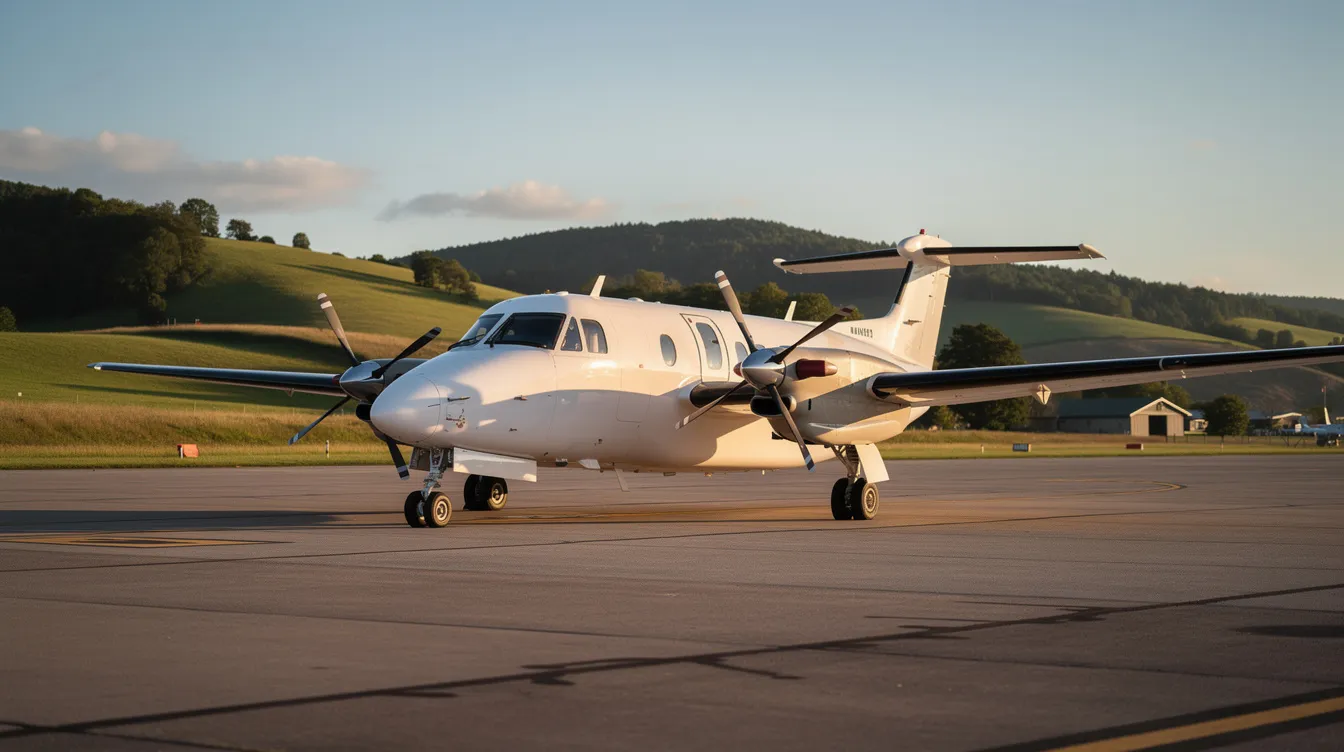
Think private jets cost $5,000 an hour? They can. But they don't have to. Small airplane flights—from turboprops to light jets—are quietly becoming one of the smartest ways to travel regionally, especially when you know how empty leg flights work.
This guide breaks down exactly what small airplane flights are, what they cost, how far they go, and how Hoppyn's membership model lets you fly private without the per-hour price tag.
Key Takeaways
Small airplane flights (from Cessna pistons to light jets like the Phenom 300) can save 2–4 hours versus commercial on regional routes like New York–Boston or LA–Las Vegas by using smaller airports, skipping TSA lines, and cutting ground transportation time.
An empty leg flight is a repositioning flight where a private jet would otherwise fly empty between bookings. Hoppyn members can access these private jet legs with no per-flight cost for a flat $997/year membership—empty leg flights can save up to 75% on charter costs.
Small aircraft make the most sense for trips of roughly 150–1,000 miles, where regional airports sit closer to your actual destination and commercial options are limited or inconvenient.
Traditional charter services bill per hour plus fuel costs, crew, and repositioning fees. Hoppyn flips this by providing access to the entire aircraft on empty legs through a subscription model—no hourly billing, no hidden surcharges.
Below you'll find how to find, book, and prepare for small airplane flights, including concrete route examples, aircraft breakdowns, and a full FAQ section at the end.
What Counts as a "Small Airplane Flight" Today?
Small airplane flights generally refer to trips in light aircraft seating 2 to 6 people—though some turboprops and light jets stretch to 8 or 9. The key distinction: these aren't the 150-seat commercial jets you're used to. They're smaller, more nimble, and the main differences come down to aircraft features such as cabin configuration, passenger capacity, onboard amenities, and mission capability for shorter, more targeted trips.
Here's what falls under the umbrella:
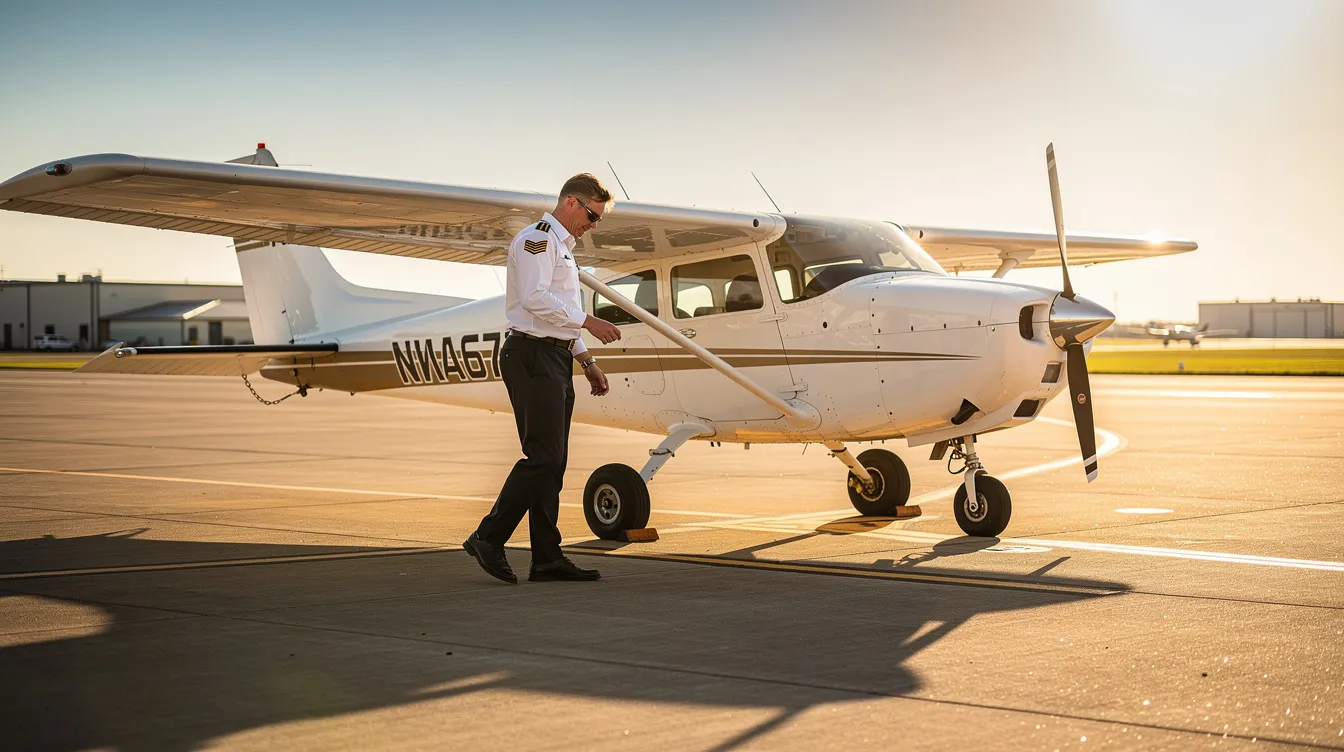
Piston planes like the Cessna 172: 2–3 passengers, best for short daytime hops under 250 miles. Piston aircraft like the Cessna 172 cruise at 110–140 knots.
Turboprops like the Pilatus PC-12 or King Air 200: 6–8 passengers, regional trips up to 1,500 miles. Turboprops like the Pilatus PC-12 cruise at 260–285 knots and can use shorter runways.
Very light jets (VLJs) like the Eclipse 500 or Citation Mustang: 3–4 passengers, pressurized cabins, 350–400 knots.
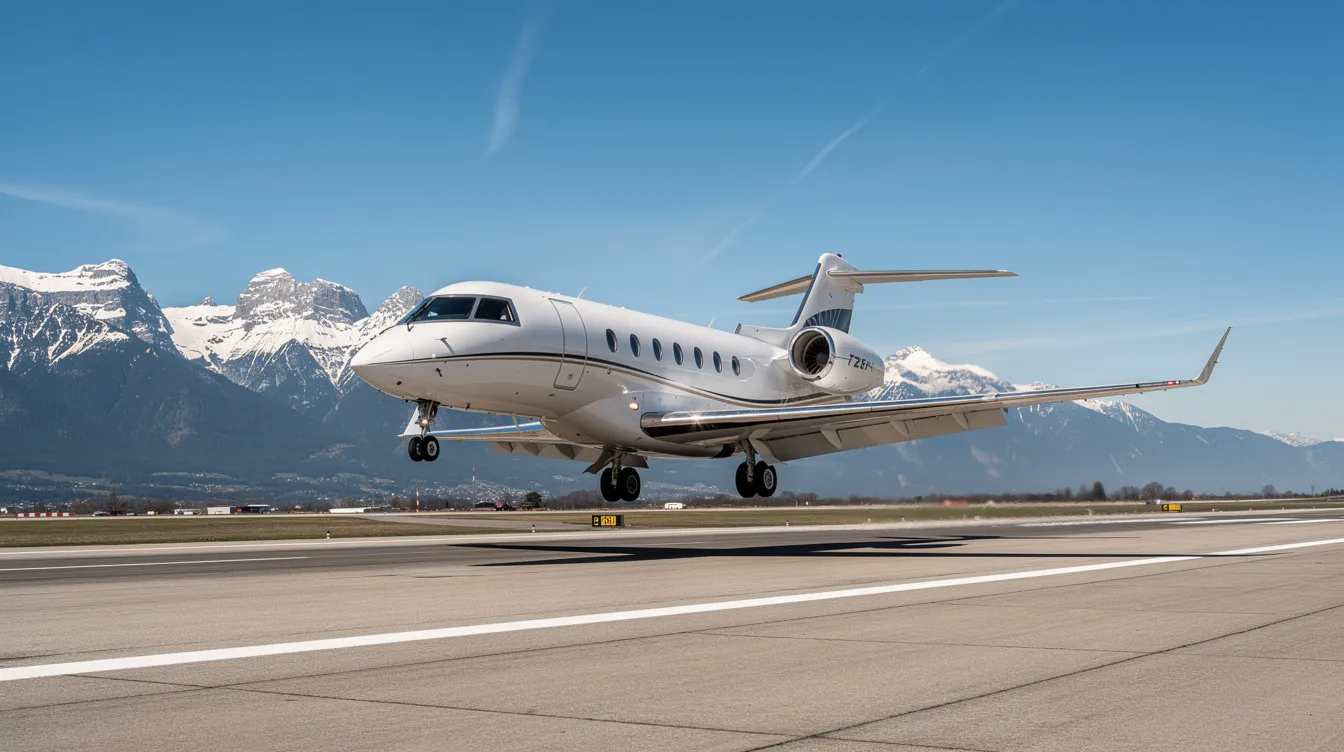
Light jets like the Phenom 300 or Citation CJ3: 4–6 passengers, up to 2,000 nautical miles of range.
Small aircraft typically accommodate 4–8 passengers across categories. General aviation includes various aircraft types for personal travel and pilot training, but everything in this article assumes legal commercial operations under FAA Part 135 or EASA equivalents—not informal "friend with a plane" rides.
Typical mission profiles include weekend trips (Los Angeles to Paso Robles wine country), same-day business runs (Dallas to Houston), or short international hops (Miami to Nassau), making them efficient ways to get from point A to point B on shorter, targeted routes.
Small Airplane Flights vs. Commercial Flights: Time, Airports, and Experience
The real comparison isn't airborne time—it's door-to-door time. Commercial flights often require 60–90 minutes of preflight time between check-in, security, and boarding. Add the drive to a major hub airport, baggage claim on the other end, and you've burned half a day on a 90-minute flight.
Small planes flip that math:
Route | Commercial (door-to-door) | Small Plane (door-to-door) | Time Saved |
|---|---|---|---|
New York–Boston | ~4–5 hours | ~2 hours | 2–3 hours |
LA–Las Vegas | ~4–5 hours | ~2 hours | 2–3 hours |
London–Paris | ~5–6 hours | ~2.5 hours | 2.5–3.5 hours |
New York to Boston takes about 90 minutes by small jet. Small jets can reduce ground time by 30–60 minutes each way because you're departing from private terminals at regional airports—Teterboro instead of JFK, Van Nuys instead of LAX. Small planes access airports that commercial flights cannot reach, and small-aircraft travel can save time by using airports closer to your destination.
Small airplanes often require less time for check-in compared to commercial flights. Traveling in small planes involves less crowding and shorter processing times at airports. And fewer commercial jets operate on less trafficked routes, creating opportunities for small aircraft to fill the gap.
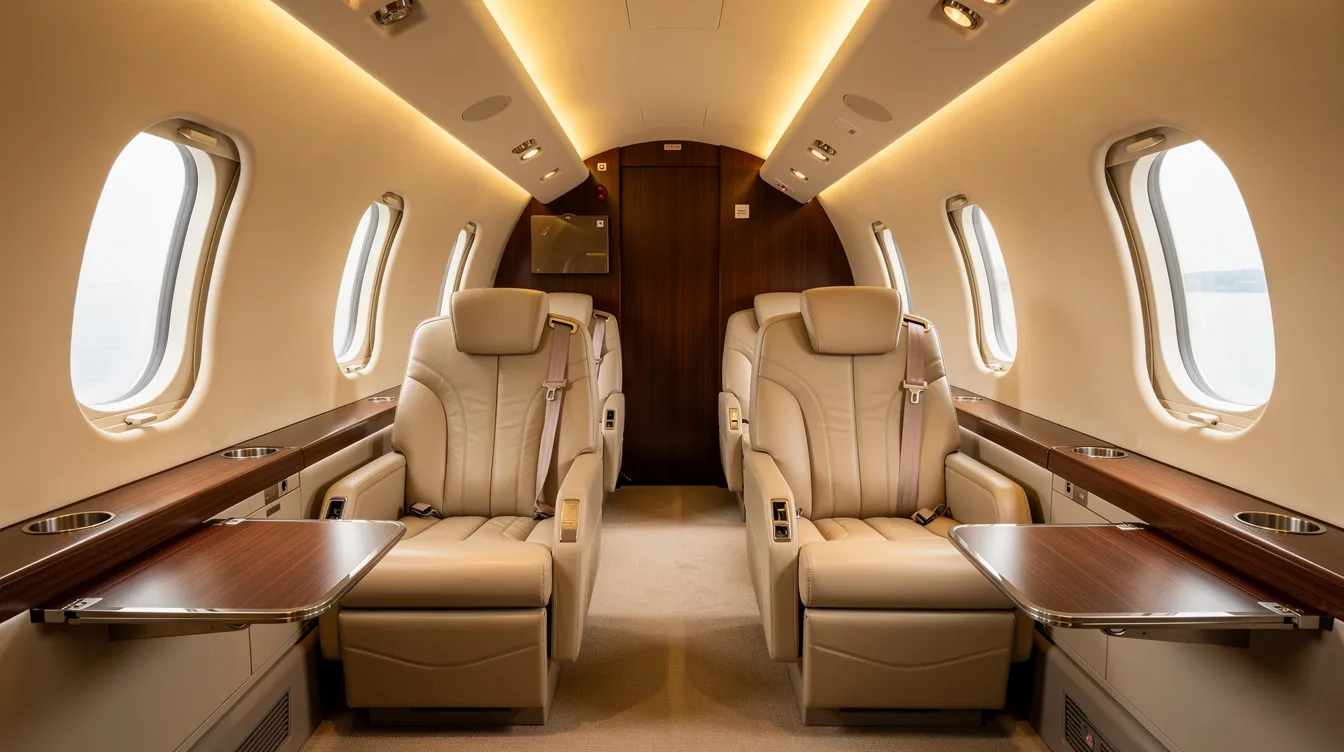
The onboard experience is equally different. Small airplanes can provide a more personalized flying experience compared to commercial airlines: no middle seats, no gate changes, privacy for calls and meetings, and customized departure times instead of rigid airline schedules.
For solo travelers, economy may still be cheaper. But for groups of 3–6, the per-person cost of a small aircraft can rival business-class pricing once you factor in lost time and productivity.
Types of Small Aircraft You Can Fly On
Matching the right aircraft type to your trip matters. Distance, runway length, passenger count, and luggage all play into which plane works best.
Piston aircraft (Cessna 172, Piper Cherokee): 2–4 passengers, best for short daytime flights under 250 miles. Slow but affordable for local hops. Think weekend flights to a nearby lake house or country airstrip.
Turboprops (Pilatus PC-12, King Air 200/350): 6–9 passengers, 260–300 knots, can handle short runways and even unpaved strips. Ideal for regional trips up to roughly 1,500 miles. A favorite for business travelers hitting secondary cities like Seattle to Boise or Milan to Sardinia, with manageable flight time on regional segments.
Very light jets (Eclipse 500, Citation Mustang): 3–4 passengers with pressurized cabins. Very light jets can handle missions from 300 to 800 nautical miles. Efficient, quick, and comfortable for medium-distance legs.
Light jets (Embraer Phenom 300, Cessna Citation CJ3): 4–6 passengers. Light jets like the Phenom 300 have a range of 2,000 nautical miles, and their speed makes them popular for routes like New York–Miami or Paris–Ibiza.
Hoppyn's empty leg flights typically use turboprops, VLJs, and light jets—not tiny two-seat trainers.
How Far Can Small Planes and Small Jets Really Go?
Brochure range numbers assume perfect conditions. Real-world missions depend on passengers, baggage, weather, and required fuel reserves.
Pistons: often under 400 nautical miles nonstop
Turboprops: 800–1,500 nm depending on load
VLJs: roughly 600–1,000 nm
Light jets: up to around 1,500–2,000 nm with reserves
Good small jet missions in North America: Los Angeles–San Francisco (~350 nm), Chicago–Nashville (~400 nm), New York–Toronto (~350 nm). Routes like New York–Denver (~1,600 nm) sometimes need fuel stops in smaller jets, or you'd step up to a midsize aircraft.
European examples: London–Nice (~425 nm), Berlin–Rome (~650 nm) — easy nonstop legs for turboprops and light jets using regional airports.
For intercontinental routes like New York–London, you'd typically need larger aircraft or super midsize jets. But small jets still excel at connecting regional hubs on either side of those longer journeys.
What Do Small Airplane Flights Cost? Ownership, Charter, and Membership
Most costs come down to aircraft size, fuel costs, crew, maintenance, and how often you fly.
Ownership is the most expensive path. Small pistons start at $30,000+ to purchase, with several thousand per year in upkeep. Light jets run into multi-million-dollar territory, with hundreds of thousands annually to operate—hangar fees, insurance, pilot salaries, and maintenance add up fast.
Standard charter services bill by the hour:
Aircraft Class | Hourly Rate | 2-Hour Flight Cost |
|---|---|---|
Turboprop | $1,500–$3,000/hr | ~$3,000–$6,000 |
Light jet | ~$5,000–$9,000 | |
Heavy jet | $8,500–$15,000/hr | $17,000–$30,000 |
Small airplane flights can be more expensive per passenger than commercial flights when you're chartering outright. Add repositioning fees, fuel surcharges, and crew overnight costs, and charter operations get expensive quickly.
Jet cards and fractional ownership involve prepaid hours or buying a share of an aircraft—suitable for 50–200+ hours per year but with large upfront commitments.
Hoppyn's model works differently. Rather than charging per hour, members pay a flat yearly fee ($997/year) to access empty leg flights with no flight costs once a seat is confirmed. You don't pay additional cost for fuel or repositioning on the legs you fly. This makes occasional or opportunistic small airplane flights far more affordable than traditional charter, especially if you're flexible on routes and dates.
Empty Leg Flights: The Smart Way to Fly on Small Jets
Empty leg flights are repositioning flights—they occur when jets reposition without passengers between bookings. A private jet flies Los Angeles to Las Vegas for a charter client, then must return to San Diego the next morning with nobody on board. That return flight is an empty leg.
On an empty leg, you typically get the entire aircraft to yourself. But empty leg flights have fixed routes and departure windows set by the jet's schedule, not yours. Flexibility is limited when booking empty leg flights—you adapt to what's available.
The savings are real. Empty leg flights can save up to 75% on charter costs. Industry data shows over 15,000 new empty legs tracked in a single month, with inventory growing across all cabin classes.
Hoppyn converts those discounted leg flights into unlimited free flights (once confirmed) through membership. Instead of paying a discounted charter rate, you pay nothing beyond your annual fee. The platform maintains a global empty leg board with new legs added daily, and charter operators can use dedicated resources to connect their fleets and list empty legs efficiently.
The key: you benefit most if you can adjust your plans to available legs rather than demanding exact dates and times.
How Hoppyn Membership Makes Small Airplane Flights Accessible
Hoppyn is a travel club that unlocks small jet and private plane empty legs worldwide for a single annual fee. No hourly billing. No charter broker commissions. Just access. Unlike Surf Air, which is built around scheduled or semi-private regional service, Hoppyn focuses on access to empty-leg opportunities rather than fixed-route flights.
Here's how it works:
Pay once: a transparent annual membership of $997/year
Browse daily: the platform adds new empty-leg flights every day across global routes
Join waitlists: filter by origin city, date, and passengers, then waitlist for legs that fit
Fly confirmed: once you're confirmed on a leg, there's no per-flight cost, no fuel surcharges, no hidden fees
Get support: 24/7 travel support for any questions or disruptions
Hoppyn doesn't sell traditional charter services by the hour. It helps you leverage under-used empty legs on professionally operated aircraft. Members often use it for regional business trips, last-minute weekend getaways, or to upgrade occasional commercial itineraries to private flights when empty legs align. Think of it as priority access to flights that would otherwise fly empty across the world.
Planning and Booking a Small Airplane Flight Through Empty Legs
Here's a typical journey from idea to boarding on an empty leg flight.
Reading listings: each listing shows the departure airport, arrival airport, approximate departure times, aircraft type, and whether the entire aircraft or individual seats are available. You can browse flights on Hoppyn's platform and filter by what matters to you.
Strategic watching: certain routes frequently generate empty legs—New York to South Florida in winter, Los Angeles to Las Vegas year-round, and resort corridors during peak demand. Hoppyn's City Hub empty leg deals let you pick a departure city and grab spontaneous one-way flights along these kinds of corridors. Air taxi services often use smaller aircraft for short distances along these corridors, and air taxis typically operate from smaller airports, avoiding congestion. Air taxi operations require FAA Part 135 certification, and these services are common in regions with high tourist demand. Air taxi services can reduce travel time significantly compared to commercial flights, and operators are often talking about these routes as recurring high-demand corridors for short regional flights.
Waitlist system: join waitlists for specific legs. Hoppyn notifies you when a leg confirms and seats are assigned.
Flexibility tips: be open to nearby airports (Fort Lauderdale instead of Miami, Van Nuys instead of LAX) and slight date shifts. Small aircraft can provide unique destinations that commercial airlines do not serve—use that to your advantage.
Once confirmed, you'll receive exact departure times, FBO details at your private terminal, and check-in instructions from Hoppyn's support team.
Safety, Regulations, and Comfort on Small Airplane Flights
Professionally operated small aircraft flights follow strict safety standards and regulatory oversight. In the U.S., on-demand charter and empty leg flights operate under FAA Part 135, with requirements for commercial pilot experience, maintenance schedules, and operational standards. Legally operating very small planes on a Part 135 charter basis is relatively uncommon outside places like Alaska because demand, costs, and certification requirements often limit viability. General aviation has different safety standards compared to commercial airline operations, but reputable operators maintain rigorous protocols.
Many turboprops and smaller jets are certified for single-pilot operations, though reputable operators often use two-pilot crews on jets. Hoppyn only works with vetted, licensed operators.
Weather sensitivity: small airplanes are more sensitive to weather conditions than larger commercial aircraft. Small aircraft can experience more noticeable turbulence due to their lightweight design. However, flights in small planes are often easier to reschedule or adjust based on weather—operators will delay, reroute, or cancel to maintain safety margins.
What to expect on board:
Small airplanes may require a pre-flight walkaround inspection before boarding
Small aircraft generally have strict weight and balance limits for luggage
The cabin in small airplanes is often compact with limited space for luggage
Small airplanes are generally noisier and have less cabin space than commercial jets
Many small aircraft do not provide in-flight amenities found in commercial flights
Passengers in small aircraft can experience direct communication with pilots during flights
Small planes operate at lower altitudes than commercial airliners; cruising altitudes for small airplanes are typically between 1,000 and 10,000 feet
Small airplanes provide lower altitude views that can enhance sightseeing experiences
For more on choosing the best seat on a private plane, check our guide on cabin comfort and positioning. Pets and children are welcome on many small aircraft, subject to operator policies—Hoppyn's support team can help identify family- and pet-friendly legs.
When Does a Small Airplane Flight Make Sense vs. Driving or Airlines?
Here's a quick decision framework:
Factor | Drive | Small Plane | Commercial Airline |
|---|---|---|---|
Distance | Under 60 miles | 150–1,000 miles | 500+ miles |
Group size | Any | 3–6 ideal | Solo or pairs |
Time sensitivity | Low | High | Medium |
Airport access | N/A | Regional airports nearby | Major hub required |
For trips under 60 miles, driving wins. For regional flights of 150–600 miles, small planes and turboprops are prime candidates—especially when you're interested in routes between secondary cities. Between 600 and 1,000 miles, small jets excel where regional airports exist close to your origin and destination.
Small aircraft can often access thousands of regional airports that commercial jets cannot. That means more airports to search, closer to where you actually need to arrive.
Concrete examples:
Austin to New Orleans (~500 miles): a 2-hour turboprop flight versus a full-day journey with layovers and airport transfers. Four travelers split the cost, and it rivals business-class pricing.
Milan to Sardinia in summer: a quick small jet hop using a carrier route with high empty-leg supply beats the ferry-and-connection ordeal.
Seattle to Sun Valley for a ski trip: no direct commercial service, but a light jet covers the route in under two hours.
If you're flexible, Hoppyn's empty leg model can make these opportunistic flights feasible multiple times a year—not a one-off luxury. Join Hoppyn and start turning empty planes into your next trip.
Frequently Asked Questions
How is an empty leg small jet flight different from a normal charter?
In a normal private charter, you choose the route, date, departure times, and aircraft type—and you pay the full charter price, including fuel costs and repositioning. On an empty leg, the aircraft is already scheduled to reposition empty, so you ride along at a steep discount or, with Hoppyn, without per-flight cost as part of your membership. Empty legs have fixed routes and tighter departure windows, so they work best when you can adapt your plans to the aircraft's schedule rather than the other way around.
Can I always choose the exact small plane or small jet I want with Hoppyn?
Hoppyn connects you to existing empty leg flights created by operators, so you generally cannot request a specific tail number or exact aircraft model. You can see the aircraft category (turboprop, very light jet, light jet) and typical seating, then choose legs that fit your needs. If a specific aircraft type is essential to your journey, traditional on-demand charter services may be more appropriate. Hoppyn focuses on flexible, opportunistic travel.
What happens if an empty leg flight I'm waitlisted on gets canceled or rescheduled?
Empty legs can change or disappear if the original charter client alters plans—the repositioning leg may no longer be needed or may shift times. Hoppyn notifies members promptly, and you won't pay extra because flights have no per-leg fee. Support can help you search for alternative empty leg options where available, but for time-critical trips, always have a backup plan in place.
Are small airplane flights suitable for families and pets?
Many small aircraft and small jets welcome families and pets, often with far fewer restrictions than commercial airlines. Check specific operator policies on seatbelt-equipped child seats, pet carriers, and documentation required for international legs. Hoppyn's support team can help identify family- and pet-friendly empty leg flights when you're browsing the board.
How do I get started using Hoppyn for small airplane empty leg flights?
Create an account, select the membership plan ($997/year), and complete basic profile verification. Once you're a member, you can immediately browse global empty leg flights, filter for small planes or small jets by class and route, and join waitlists for legs that match your schedule. Ready to browse live empty leg flights? Join Hoppyn today and start flying private for less.
Conclusion: Why Small Airplane Flights and Empty Legs Make Private Jet Travel Accessible
Small airplane flights offer a powerful alternative to traditional commercial and charter options, saving you hours of travel time and giving you access to airports closer to your real destination. By flying on turboprops, very light jets, or light jets, you get the privacy, flexibility, and comfort of private aviation without the typical $5,000+ hourly price tag.
Empty leg flights unlock incredible savings—up to 75% off charter costs—because you’re booking repositioning flights that would otherwise fly empty. Hoppyn’s membership model turns these empty legs into your opportunity for unlimited private flights for a transparent annual fee of $997, with no per-flight costs or hidden fees.
If you value your time, want to avoid crowded airports, and are flexible enough to adapt your schedule to available legs, small airplane flights through Hoppyn can transform how you fly private. Whether for business or leisure, this is private jet travel made smarter, simpler, and far more affordable.
Ready to browse empty-leg flights? Join Hoppyn today and start flying private for less.




Unlock Your Private
Jet Experience
Join our exclusive membership for
free flights today!

Explore More
Blogs


Join Our Exclusive
Newsletter
.png)






