
Small Jet Plane: Guide to Very Light & Light Jets, Costs, and Smarter Ways to Fly


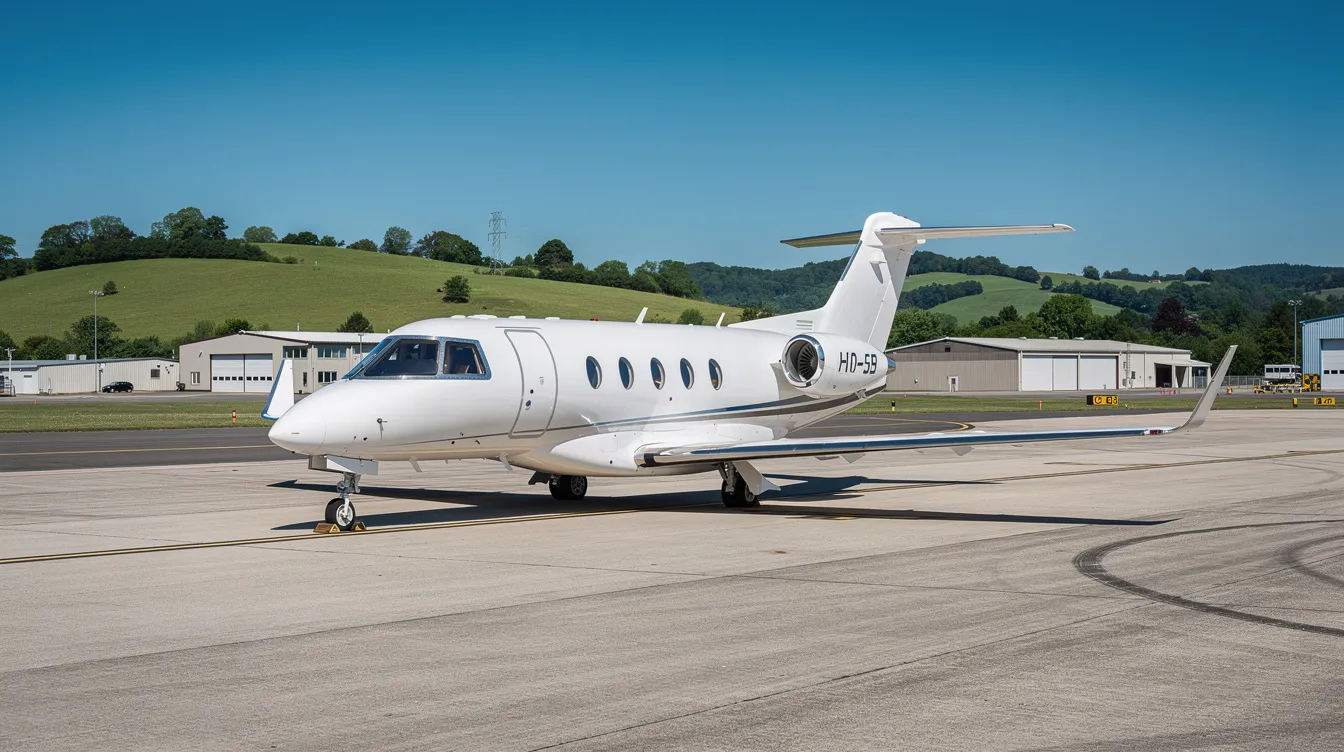
Key Takeaways
Small jet planes - covering very light jets and light jets - seat four to eight passengers and handle regional missions up to roughly 1,500 nautical miles, delivering private jet comfort without large-jet price tags.
Core models include the Cirrus Vision Jet (~$3M new), Cessna Citation Mustang ($1.5–$2.5M pre-owned), HondaJet Elite II (~$5.75M new), and Embraer Phenom 100EV (~$4.25M new), each with distinct range, speed, and cabin trade-offs.
Fuel efficiency, single-pilot operation capability, and modern avionics keep operating costs meaningfully lower than midsize or large jets - though ownership still runs hundreds of thousands per year.
You don't need to buy a small jet to fly one. Charter, jet cards, and empty-leg memberships like Hoppyn let you access the same aircraft at a fraction of ownership cost.
Hoppyn's flat annual membership ($997/year) gives you direct access to empty-leg flights on small and large jets globally, with no per-flight charges once confirmed.
Introduction: What Counts as a "Small Jet Plane" in 2026?
Small jet planes are compact aircraft designed for efficient regional and short-to-medium-haul travel. In practical terms, we're talking about very light jets and light jets - aircraft that seat four to eight passengers depending on the model, cruise between 300 and 470 knots, and cover routes from a few hundred to roughly 1,500 nautical miles nonstop.
Why should you care about these aircraft right now? The total number of private jets worldwide is approximately 24,270, and a growing share are compact light jets and very light jets. Improvements in fuel efficiency, avionics, and engine technology have made the modern small airplane more capable and more accessible than ever. Meanwhile, new access models - charter programs, memberships, and especially empty-leg flights - mean you no longer need millions in the bank to fly on one.
This guide breaks down the aircraft, the costs, and the smartest ways to get yourself into a small private jet seat in 2026.
Classes of Small Jets: Very Light Jets vs Light Jets vs Larger Private Jets
Before comparing specific models, it helps to understand the three broad categories of business jets. Very light jets and light jets sit between turboprops and long-range business jets, occupying the sweet spot for regional and medium-haul private aviation.
This quick light jets overview sets the context for how these categories differ in size, range, and typical use.
Here's a high-level comparison:
Very Light Jets (e.g., Cirrus Vision Jet, Eclipse 500, Phenom 100EV, HondaJet): Typically seat 4 to 6 passengers. Cruise speeds around 300–420 knots. Ranges of 1,000–1,300 nautical miles. Often certified for single-pilot operation. Purchase prices range from roughly $2M–$5M.
Light Jets (e.g., Cessna Citation Mustang, Citation M2, CJ2+/CJ3, HondaJet Elite II): Seat 6 to 7 passengers. Cruise at 380 to 470 knots. Light jets have a maximum take-off weight between 10,001 and 20,000 pounds, and light jets can fly distances of 1,200 nautical miles or less. New light jets cost between $5.75 million and $11.886 million.
Large Jets (e.g., Dassault Falcon, Gulfstream models): Reserved for transcontinental or long-haul trips. Much higher purchase and operating costs. Not the focus here, but useful as context.
For typical missions, VLJs are ideal for 300–800 nm hops with 2–4 passengers. Light jets handle 500–1,500 nm comfortably with up to seven passengers and more luggage. Private jets access ten times more airports than commercial airlines, and smaller jets push that advantage even further - they can operate on short runways often under 3,000 feet, opening up regional airports that large jets simply can't reach.
Very Light Jets (VLJs): The Entry-Level Small Jet Plane
Very light jets represent the entry point to the light jet category. These are the smallest true private jets: typically featuring twin or single engines, seating for 4 to 6 passengers, and performance that makes them many times faster than turboprops on regional routes.
In 2025–2026, expect VLJ cruise speeds of roughly 300–420 KTAS, ranges of around 1,000–1,300 nautical miles, and acquisition costs from approximately $2–4 million depending on model, year, and avionics. Many small jets are efficient for short-to-medium distance travel with higher speed than turboprops, which is precisely why VLJs have carved out a growing niche in both personal aviation and charter fleets. Very light jets are the most affordable private jets on the market today.
VLJs are often the personal jet of choice for an owner-pilot stepping up from high-performance pistons or turboprops. Lower operating costs and advanced safety features - including glass cockpit avionics, synthetic vision, and envelope protection - make the transition practical. These aircraft are also popular in charter and empty-leg inventories, making them common types you'll see on platforms like Hoppyn.
Core advantages:
Strong fuel efficiency relative to larger business jets
Access to smaller regional airports and short runways
Lower operating costs vs. light or midsize jets
Single-pilot certification reduces crew requirements
Limitations:
Smaller cabin space and limited baggage capacity
Range doesn't support oceanic or ultra-long-haul missions
Fewer amenities than larger aircraft
Cirrus Vision Jet: The Most Accessible Personal Jet
The Cirrus Vision Jet SF50, including the G2 and G2+ variants, holds a unique position in business aviation: it's the first FAA-certified single-engine jet aircraft, built from the ground up for safety and owner-pilot usability by Cirrus Aircraft.
The Vision Jet is the most affordable private jet currently in production. The Cirrus Vision Jet is priced around $2 million new for base models, with G2+ variants listed closer to $3.3–$3.5 million depending on options. It seats up to five adults plus two small children, cruises at roughly 300 KTAS, and the Cirrus Vision Jet has a range of 1,200 nautical miles. Fuel burn runs about 56 gallons per hour of Jet-A, translating to variable operating costs around $1,100 per hour at 200 flight hours per year.
The standout safety feature is the Cirrus Airframe Parachute System. The Cirrus Vision Jet features a whole-airframe parachute system that can lower the entire aircraft to the ground in an emergency. CAPS has saved over 100 lives since its introduction in 2001. Newer Vision Jet models also include the emergency autoland system (Safe Return), which can guide the aircraft to the nearest suitable airport and land without pilot input - a feature that meaningfully reduces pilot workload for owner-operators.
The Vision Jet's fuel efficiency makes it a cost-effective choice compared to twin-engine light jets. Fewer engines mean lower maintenance and fuel bills. While some owners fly it themselves, many travelers experience this aircraft via charter or empty-leg flights. Hoppyn members may see Vision Jets on their flight board for regional routes.
Cessna Citation Mustang and Citation Family: Benchmark Compact Light Jets
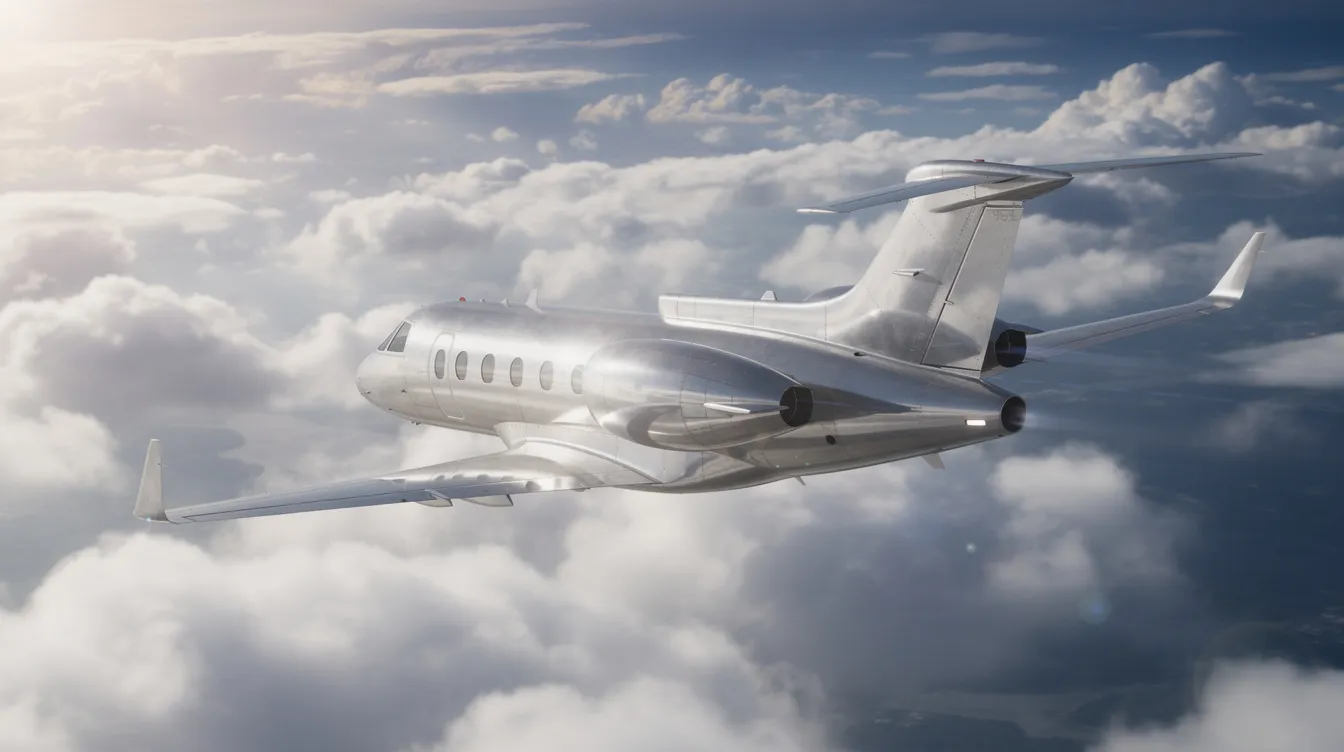
Textron Aviation is the manufacturer behind the Cessna Citation brand, arguably the most recognized name in light jets. The Cessna Citation Mustang set the benchmark as an entry-level jet when it debuted, and it remains a staple of the pre-owned market today.
Key specs for the Cessna Citation Mustang: the original purchase price was roughly $3 million new; pre-owned Cessna Citation Mustang models range from $1.5 million to $2.5 million in 2025–2026 depending on hours, avionics, and condition. Seating accommodates 4 passengers plus pilot, with a maximum cruise speed around 340 KTAS and a max range of about 1,150 nautical miles. Fuel burn runs approximately 80–90 gallons per hour, and typical operating costs land around $1,000–$1,200 per flight hour. It also remains attractive for business travelers seeking efficient short-to-medium-range flying.
The compact light jets segment benefits from the Citation family's reliable performance, straightforward maintenance, and Textron Aviation's robust support network. Cabins feel more "jet-like" than many VLJs, with better headroom and a fully enclosed lavatory. The Cessna Citation II sold 607 units - the most among light jets - which speaks to the brand's dominance. Related models like the Citation M2, CJ1, CJ2+, and CJ3 represent natural upgrades within the same family, serving both corporate fleets and the charter market.
These light jets commonly appear as empty legs after repositioning flights, giving membership platform users access to well-known private jets without paying fixed hourly rates or full charter pricing, while charter operators can use Hoppyn’s integration tools to list these legs efficiently and optimize fleet utilization.
Other Notable Small Jet Planes: HondaJet, Phenom 100EV, Eclipse 500
Beyond Cirrus and Cessna, several manufacturers build standout small private jets that dominate regional private aviation. Well-known small jet models include the Embraer Phenom series, HondaJet, and Eclipse - each with a distinct design philosophy. Here's what sets them apart.
HondaJet (HA-420 / Elite / Elite II)
Designed and built by Honda Aircraft Company in Greensboro, North Carolina, the HondaJet marked Honda's 2006 entry into the aviation industry and introduced innovative technology with its signature over-the-wing engine mount design, which reduces drag and frees up cabin space. The HondaJet Elite II cruises at approximately 422 knots with a range of roughly 1,547 nautical miles under NBAA IFR reserves - among the best in the light jet market. Seating accommodates up to six passengers with an optional belted lavatory seat. New units run about $5.75 million. The cabin is notably quiet, fuel-efficient for its class, and features advanced avionics targeting executive travel and cross-country flights.
Embraer Phenom 100EV
The Embraer Phenom 100EV is a very light twin-engine jet seating 4 to 6 passengers. The Embraer Phenom 100EV has a maximum range of 1,200 nautical miles. The Embraer Phenom 100EV features sophisticated flight control systems and upgraded avionics with flight envelope protection. New pricing sits around $4.25 million, and the Embraer Phenom 100 can be purchased for $2 to $3 million pre-owned. Strong global support from Embraer and popularity in both owner-operated and charter fleets make it a common sight on empty-leg boards.
Eclipse 500 / Eclipse EA500
The Eclipse 500 helped launch the VLJ category in the early 2000s. While production has long ended, pre-owned Eclipse jets remain among the cheapest private jet options on the market - acquisition prices hover around $1–1.5 million. The trade-off: legacy-fleet support considerations and older avionics. For travelers using empty-leg membership platforms, you're more likely to encounter Phenoms and HondaJets, but Eclipse airframes still appear in some charter inventories.
Small jet flight ranges typically span from 1,000 to 2,500 nautical miles without stopping across these models, giving you serious geographic reach for regional and medium-haul missions.
Fuel Efficiency and Operating Costs of Small Jet Planes
Operating costs are the reality check of aircraft ownership. The big cost drivers are fuel, maintenance, crew, insurance, hangar space, and periodic overhauls. Even the cheapest small jet to buy is expensive to run.
Fuel and Variable Costs
Very light jets and compact light jets burn significantly less fuel per hour than midsize or large jets. VLJs typically consume 56–90 gallons per hour, while light jets range higher. Fuel costs for jets can range from $300 to $700 per hour depending on aircraft type and current Jet-A prices. For the Vision Jet at roughly $360–400/hr in fuel alone, that's a fraction of what a midsize cabin burns. The HondaJet Elite II uses about 120 gallons per hour, pushing fuel cost to approximately $780/hr.
Fixed and Annual Costs
Beyond fuel, owning a single aircraft means paying for:
Cost Category | Typical Annual Range |
|---|---|
Insurance | $15,000–$30,000 |
Maintenance | $50,000–$200,000 |
Hangar fees | $12,000–$36,000 ($1,000–$3,000/month) |
Engine programs & reserves | Varies widely |
Annual operating costs for a mid-size jet can exceed $500,000, and even a small jet owner should budget well into six figures. Higher purchase prices and operating costs of small jets limit their usage to high-income travelers - which is exactly why alternative access models exist.
Charter vs. Ownership
Chartering a light jet typically runs $5,000–$8,000 per flight hour all-in. Chartering is ideal for flying under 100 hours annually. But if you're flying more, or if you can tap into empty-leg flights, the math shifts dramatically. Empty-leg flights on small jets offer the same aircraft at 25–75% below standard charter rates because the plane is already flying, and Hoppyn’s City Hub for spontaneous one-way empty legs lets travelers capture these discounts from specific departure cities.

Buying a Small Jet vs Charter vs Private Jet Membership
There are three main ways to access small jet planes. Each makes sense for a different traveler profile.
Ownership:
Best suited to individuals or businesses flying more than 200–300 hours per year
Offers ultimate control over scheduling and customization
Demands large upfront capital and responsibility for all operating costs and regulatory compliance
Ownership requires significant maintenance and insurance costs year-round, whether you fly or not
Charter:
Pay-as-you-go model for occasional travelers
Chartering offers flexibility without long-term commitments
Subject to variable pricing, repositioning charges, and availability constraints on matching aircraft like very light jets or compact light jets
Private jet chartering eliminates commercial flight delays - but you're paying a premium for that privilege
Jet Cards and Traditional Memberships:
Jet card programs provide fixed hourly rates for frequent flyers - typically prepaid blocks of hours on specific aircraft classes
More price predictability than on-demand charter, but you still pay per flight hour
Peak-day surcharges and minimum-hour requirements can erode savings
Hoppyn's Approach: Hoppyn works differently. Instead of billing per hour, we give you access to global empty-leg flights on small and large private jets for a flat annual fee. No per-flight costs once confirmed. No surprise fuel surcharges. If you're flexible with dates and airports, the cost equation changes fundamentally. Learn how it works.
Empty-Leg Flights and Hoppyn: Affordable Access to Small Private Jets
An empty-leg flight is a repositioning flight that would otherwise fly empty after dropping off charter clients (or heading to pick them up). These flights happen constantly on very light jets and light jets shuttling between cities for paid charters.
Why empty legs deliver strong value:
The aircraft and crew are already scheduled and paid for by the original charter
Operators want to offset fuel and handling costs, so they price empty legs far below standard charter rates
How Hoppyn leverages this:
Hoppyn offers a flat annual membership ($997/year) that lets members browse a global board of empty-leg private jets, including compact light jets and larger aircraft
Once your seat request is confirmed, there are no per-flight costs - no hourly rates, no surprise surcharges
What the experience looks like:
Members log in, filter for very light jets or light jets by routes and dates
Join waitlists for flights that fit their schedule - a Vision Jet from Miami to Atlanta, a Citation Mustang from London to Geneva
Receive notifications when an empty leg is confirmed and board like any other private jet passenger
Affordable private travel options like membership services can increase accessibility to small jets. Private jet travel offers the benefits of speed, flexibility, and exclusivity over commercial flights. Major uses of small jets include business travel, private charters, and personal travel - and empty-leg memberships cover all three.
Who benefits most:
Frequent travelers with flexible dates
Individuals or small teams who currently buy business-class tickets but want to try private jets for less
People curious about small jet planes who aren't ready for ownership or full-price charter
Choosing the Right Aircraft Class for Your Trip
The right aircraft depends on your mission profile: distance, passenger count, luggage, airport options, and how much flexibility you have.
Very Light Jets: Best for 2–4 travelers on routes up to ~800–1,000 nm with modest baggage. Prioritize fuel efficiency and lower operating costs. Ideal for personal use and short business hops.
Light Jets: Fit up to seven passengers, carry more luggage, and, on some models, a large cargo door for easier loading of bulky bags or equipment, and stretch to 1,200–1,500 nm legs. Great for business day trips and cross-country flights where cabin space matters.
Large Jets: Only necessary for long-range or large groups. Cost significantly more to own or charter.
Small jets can access regional airports that larger jets cannot, saving ground travel time. Private jets can operate from shorter runways than commercial jets, which means you land closer to where you actually need to be.
For Hoppyn members: filter empty legs by aircraft type when you want specific cabin sizes or features, but stay flexible to grab the best routes available. You might prefer a small jet for a quick hop but happily take a midsize if it appears on your route. The flight plan that saves you the most time often depends on what's available, not just what's ideal on paper.
Safety, Technology, and Comfort in Modern Small Jet Planes
Modern small jets blend airliner-level avionics with tailored advanced safety features. You don't sacrifice safety by choosing a smaller aircraft - in many ways, recent VLJs and light jets are better equipped than their larger predecessors from a decade ago.
Safety Technology
Key systems include the Cirrus airframe parachute system (CAPS), the emergency autoland feature (Safe Return on the Vision Jet, HomeSafe on the TBM 960), advanced terrain awareness, weather radar, synthetic vision, and envelope protection. Modern small jets include advanced avionics like synthetic vision that overlay terrain and runway data directly into the pilot's field of view, helping reduce pilot workload in challenging conditions. These features have materially reduced accidents and are particularly prominent in VLJs and new light jets certified since the mid-2010s.
Avionics
Popular suites include Garmin G3000/G1000 NXi and Collins Pro Line 21. Small jets utilize modern glass cockpit avionics, enhancing safety and reducing pilot workload with features like datalink weather, autothrottle (where available), and flight envelope protection. For new pilots transitioning into jets, these systems make single-pilot operation more manageable without requiring a multi-engine rating on some VLJ types.
Cabin Comfort
Small jet cabins typically lack flight attendants and feature a basic or enclosed rear lavatory. Seating layouts range from club seating to side-facing divans. Jets like the HondaJet Elite or Phenom 100EV offer quiet cabins, premium materials, adjustable lighting, and enough cabin space for productive work or relaxation. For tips on picking the best seat, check out The Best Seat on a Private Plane. Jet engines in small jets provide smoother rides at higher altitudes compared to propeller aircraft.
Small jets flying as empty legs through Hoppyn are fully crewed and maintained to commercial aviation standards, even if the aircraft is certified for single-pilot operation. You're flying with professional operators, not casual weekend pilots.
Sample Trip Scenarios: How Small Jets Change Real Itineraries
Concrete examples show where very light jets and light jets genuinely outperform airlines or driving - and how empty legs layer on top.
Scenario 1: 400–500 nm Regional Business Day Trip
Route: New York to Raleigh, or London to Zurich. A light jet like a Citation Mustang, Citation M2, or Phenom 100EV flies this in roughly 1.5 hours. Compare that to a 4–5 hour door-to-door commercial itinerary (security, boarding, hub transfer, ground transport). Small jets offer greater flexibility in scheduling compared to commercial air travel, and executive travel is a common use for small jets, allowing quick transport between regional hubs.
Scenario 2: 300 nm Weekend Getaway
Route: Los Angeles to Napa, or Paris to Geneva. A very light jet like the Cirrus Vision Jet or HondaJet handles this easily with up to six passengers and weekend bags. These short routes regularly appear as empty legs, making them strong Hoppyn opportunities for members with flexible plans.
Scenario 3: 1,000–1,200 nm Same-Day Out-and-Back
Route: Dallas to Chicago, or Madrid to Berlin. A light jet like a HondaJet Elite II or Citation CJ2+/CJ3 makes same-day meetings feasible - something commercial aviation can't practically deliver when you factor in connections. While you may not always find that exact route as an empty leg, flexible travelers can catch nearby city pairs and still solve the same travel need.

How to Get the Most from a Hoppyn Membership When You Prefer Small Jets
If you love the idea of small jet planes but don't want ownership or full-price charter, here's how to use Hoppyn strategically.
Best practices:
Be flexible on dates and airports within a region to catch more empty-leg options on VLJs and light jets
Check the platform frequently - new flights are added daily
Travel light when possible to make smaller cabins and baggage holds more comfortable
Use Hoppyn for personal use, business travel, or both - the membership doesn't restrict trip purpose
Membership specifics:
Flat annual fee ($997/year) covers access to unlimited free flights once confirmed
No hourly rates, no surprise fuel surcharges, and transparent membership terms
24/7 dedicated support through the entire process
Try different aircraft: Use Hoppyn as your test bed. Fly a Cirrus Vision Jet on one trip, a Cessna Citation light jet on the next. You'll quickly learn what feels like the right aircraft for your typical missions - without committing to a single aircraft or a massive financial outlay.
If small jet planes fit your travel style, joining Hoppyn is the most cost-effective choice to experience them repeatedly.
Frequently Asked Questions
Can small private jets like VLJs cross the Atlantic?
Most very light jets and many light jets - including the Cirrus Vision Jet, HondaJet, Phenom 100EV, and Cessna Citation Mustang - do not have nonstop transatlantic range. They would require multiple fuel stops and specialized flight plan routing. For oceanic crossings, midsize and large jets (or airline premium cabins) are the practical options. Hoppyn members typically use small jets for regional or transcontinental flights rather than oceanic crossings.
What is the cheapest practical small jet plane to own?
Older VLJs like the Eclipse 500 and pre-owned Cessna Citation Mustangs sit at the bottom of the acquisition range - roughly $1–2.5 million for airframes in 2025–2026. But "cheap" to buy doesn't mean cheap to run. Maintenance costs for small jets can range from $50,000 to $200,000 per year, insurance runs $15,000–$30,000 annually, and hangar fees add $1,000–$3,000 monthly. That's before fuel. For many travelers, a membership model like Hoppyn is more realistic than owning even the cheapest private jet.
How safe are small jet planes compared with airlines?
When operated by certified commercial operators with trained crews and modern avionics, small jets have safety records that compare favorably to major airlines on a per-mile basis. Concrete risk-mitigation features include the Cirrus airframe parachute system (over 100 successful deployments), synthetic vision, terrain awareness, and autoland systems. Hoppyn works with vetted operators - members are not flying with casual owner-pilots when they book empty-leg flights through the platform. World-class service and safety standards apply to every flight.
Is a small jet or a turboprop better for short trips?
For very short legs under 200–300 nm, high-performance turboprops like the Pilatus PC-12 or TBM 960 can rival or beat small jets in total travel time and efficient performance, especially from short runways. However, many travelers prefer jets for cabin comfort and lower noise. Empty-leg availability also tends to skew more toward jets on popular business routes, giving jet-focused membership platforms a practical edge for most travelers. Service bulletins and aircraft specifications for either type should be reviewed when evaluating options.
How do I know if Hoppyn's empty-leg membership makes sense for me?
You're a strong fit if you fly multiple times per year, have flexible dates and departure times, typically travel in small groups, and are open to using regional airports. If you currently buy business-class tickets or occasional charters on small jets, compare those costs against Hoppyn's flat annual fee plus zero per-flight charges. The math often speaks for itself. Request a flight to see what's available for your next trip.
Conclusion: Why Small Jet Planes Are Your Smart Choice in 2026
Small jet planes offer a compelling mix of efficiency, flexibility, and affordability that make private jet travel accessible to more people than ever before. Whether you choose a very light jet like the Cirrus Vision Jet or a light jet such as the HondaJet Elite II, these aircraft deliver regional and medium-haul performance with lower operating costs and access to thousands of airports commercial airlines can’t reach.
Ownership remains a significant investment, but alternative access models like charter, jet cards, and especially Hoppyn’s empty-leg membership unlock private jet travel without the high costs or commitments. Hoppyn’s flat annual membership fee lets you fly small jets and larger aircraft worldwide on empty-leg flights, saving you thousands compared to traditional charter pricing.
If you want to fly private for less, explore regional routes, and enjoy the convenience and comfort of small jet planes, Hoppyn is your gateway. With daily updated flight boards, transparent pricing, and dedicated support, you can experience private aviation on your terms.
Ready to browse empty-leg flights? Join Hoppyn today and start flying smarter, faster, and more affordably.




Unlock Your Private
Jet Experience
Join our exclusive membership for
free flights today!

Explore More
Blogs


Join Our Exclusive
Newsletter
.png)






