Travel By Private Jet: The Complete Planning Guide



Think private jets are only for celebrities or billionaires? Think again.
This guide breaks down how to travel in a private jet step by step — from booking your first private jet charter to understanding memberships, empty legs, and aircraft types. No fluff. Just clear information so you can decide what makes sense for you.
This guide is built for:
Business travelers who value time control and efficiency
Families planning complex itineraries with more space and privacy
Luxury travelers comparing charter vs membership programs
First-time flyers curious about private jet travel and how to fly privately
Entrepreneurs exploring cost-effective empty-leg opportunities
If you’ve ever searched for how to travel in a private jet without paying unpredictable hourly charter rates, this is for you.
Overview Of Private Aviation and Private Jet Travel
What Is Private Aviation?
Private aviation refers to non-commercial flights operated outside traditional airline schedules. Instead of booking a seat on commercial air travel, you book a private plane for your exclusive use.
You choose:
Departure time
Departure airport (often smaller airports beyond major hubs)
Passenger list (fewer passengers for your comfort)
Aircraft type (right aircraft for your travel plans)
There are no long security lines or crowded terminals. You enjoy privacy, flexibility, and a tailored travel experience.
Benefits Of Flying Private
Here’s why travelers prefer private jet travel:
Time efficiency – Arrive 15–30 minutes before departure, bypassing long security lines
Access to smaller airports – Providing access to thousands more airports than commercial airlines (over 5,000 compared to about 500)
Privacy and security – Controlled passenger list with fewer passengers
Flexible scheduling – Fly on your timeline, including short notice and one-way flights
Productivity – Conduct meetings or relax in a spacious cabin
Customized travel experience – Including specific meals and amenities tailored to your preferences
For many travelers, private aviation is about control and convenience — not just luxury.
Typical Traveler Profiles
CEOs and founders flying multi-city routes with guaranteed availability
Families traveling with pets and oversize luggage
Sports teams and entertainment professionals seeking comfort and privacy
Medical or time-sensitive travelers needing short-notice flights
High-net-worth individuals valuing global reach and flexibility
Types of Private Jets: Choosing the Right Aircraft
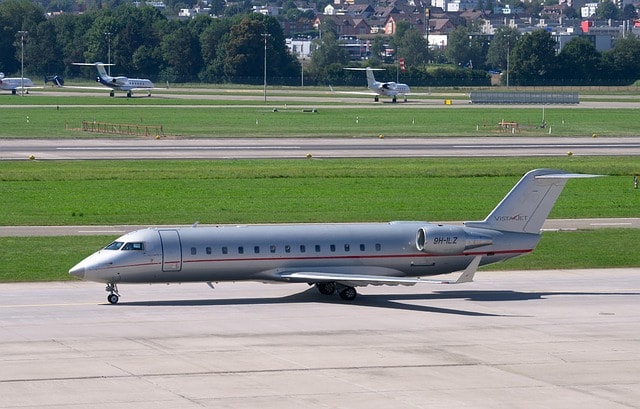
Private jets are categorized based on size and range, allowing you to select the best fit for your trip:
Light Jets
Seats: 4–8 passengers
Range: Up to 1,500 miles
Ideal for short trips and regional flights
Limited baggage capacity, typically soft bags only
Light jets are perfect for quick business hops or small groups seeking efficiency.
Midsize Jets
Seats: 6–9 passengers
Range: Around 2,450 miles
Suitable for coast-to-coast flights
Moderate baggage capacity, accommodating some sports equipment like skis or golf clubs
Midsize jets offer a balance of comfort and cost for medium-haul routes.
Heavy Jets
Seats: 10–16 passengers
Range: Up to 7,000 miles or eight hours nonstop
Designed for long-haul international travel
Extensive baggage capacity and full galley with dedicated flight attendant
Heavy jets cater to larger groups and longer distances with enhanced amenities.
Ultra-Long-Range Jets
Capable of intercontinental flights without refueling
Ideal for global travel requiring nonstop service
These jets provide the ultimate in range and luxury for worldwide travel.
Turboprops
Seats: Varies, often smaller groups
Range: 600 to 1,000 miles
Known for cost-effectiveness on shorter distances
Fly at speeds between 220 to 315 mph
Turboprops are efficient for regional trips where cost savings and access to smaller airports are priorities.
Speed and Range Considerations
Heavy jets typically cruise at 400 to 500 mph
Range and speed can be influenced by payload, fuel capacity, and weather conditions
Private jets can operate from smaller airports, providing more direct routes and reducing travel time compared to commercial flights
How Air Charter Service And Jet Charter Work
Air Charter Service Models
There are two primary models for booking private charter flights:
Direct Operator Model
Book directly with the company that owns and operates the aircraft. These private jet operators provide aircraft charter services.Broker Model
Brokers arrange flights by sourcing aircraft from multiple operators, connecting you to a global network of private jet operators.
Transparency is essential for safety and reliability when choosing between these.
Jet Charter Booking Steps
Booking a private jet typically involves:
Submitting flight details (route, dates, passengers)
Receiving tailored aircraft options and quotes from charter companies
Reviewing aircraft specs, safety ratings (such as ARGUS), and cabin size
Signing the charter agreement
Providing passenger documents (ID, passports, visas for international flights)
Payment and flight confirmation with FBO details
A dedicated charter consultant often assists throughout the process.
Booking Timing and Flexibility
Peak seasons require booking 2–4 weeks ahead for guaranteed availability
Standard travel typically books 5–10 days in advance
Last-minute bookings (4–24 hours) are possible depending on aircraft and operator availability
Private jet charter services accommodate flexible scheduling, including short-notice and one-way flights.
Charter Flights: Experience and Convenience
Boarding and Security
Passengers arrive 15–30 minutes before departure, much faster than commercial check-in
Security at private terminals (FBOs) is streamlined and less stringent, allowing more relaxed rules on liquids and personal items
Boarding is swift, often direct to the aircraft, avoiding long lines and crowds
Personalized Services
Catering tailored to passenger preferences, including specific meals and dietary requests
Amenities such as Wi-Fi, power outlets, and entertainment systems vary by aircraft
Passengers can engage with flight crew and pilots for a personalized experience
Luggage and Pets
Private jets typically allow more luggage than commercial flights, including special items like sports equipment and musical instruments
Baggage capacity depends on aircraft type; always confirm with your charter company
Many private jet charters accommodate pets, subject to regulations and documentation
Cost Considerations: Pricing and Value
Pricing Range
Chartering a private jet can range from $2,000 to over $20,000 per flight hour depending on aircraft type, route, and demand
Hourly rates in 2026 generally fall between $1,200 and $20,000+
Costs include operational fees, landing fees, taxes, fuel surcharges, and catering
Cost-Effectiveness
Private jet travel can be more cost-effective for larger groups or multi-stop trips compared to first-class commercial flights
Commercial flights remain more affordable for most travelers due to cost-sharing among many passengers
Transparent pricing and understanding fee structures help avoid surprises
Safety and Environmental Considerations
Safety Standards
Private jets adhere to the same FAA safety regulations as commercial aircraft
Charter companies maintain rigorous maintenance and pilot training standards
Independent ratings such as ARGUS Platinum and Wyvern Wingman indicate high safety compliance
TSA provides specific recommendations for FBOs servicing private jets
COVID-19 prompted enhanced health and hygiene protocols in private aviation
Environmental Impact
Private jets produce 5 to 14 times more CO₂ emissions per passenger than commercial planes
They have a significantly larger carbon footprint per passenger compared to commercial flights
Travelers may consider offsetting carbon emissions or choosing more efficient aircraft when possible.
Why Choose Private Jet Travel in 2026?
Offers unparalleled control and efficiency compared to commercial flights
Saves 4 to 9 hours per trip by avoiding long check-in, security lines, and layovers
Provides access to over 5,000 airports worldwide, enhancing flexibility
Enables direct routes that save time and reduce travel fatigue
Creates a comfortable, spacious environment with fewer passengers
Allows customization of the travel experience from meals to cabin layout
Enhances privacy and security with controlled passenger lists
Preparing for Your Private Jet Flight
Arrive 15–30 minutes before departure at the FBO
Bring necessary documents: government ID for domestic, passport and visa for international travel
Confirm baggage allowances and notify operators of special items or pets
Communicate any special meal or amenity requests in advance
Final Thoughts: Traveling in a Private Jet
Traveling in a private jet offers many benefits beyond luxury, including time savings, flexibility, and a personalized experience tailored to your needs. Whether you’re a business traveler, family, or luxury seeker, understanding aircraft types, booking processes, and safety considerations empowers you to fly smarter and enjoy all the advantages of private aviation.
With the right planning and choice of private jet operators, private jet travel is accessible, efficient, and uniquely rewarding.




Unlock Your Private
Jet Experience
Join our exclusive membership for
free flights today!

Explore More
Blogs


Join Our Exclusive
Newsletter
.png)